An acne cleanser is a vital step in any skincare regimen for those struggling with breakouts. It helps remove excess oil, dirt, and bacteria that can clog pores and trigger inflammation. In this guide we will explore how to select the most effective product, what ingredients to watch for, and how to integrate it into a routine that supports lasting clarity.
According to dermatology research, up to 85 % of teenagers experience acne at some point, and many attribute flare‑ups to improper cleansing. The right cleanser can reduce the frequency of new lesions by up to 30 % when used consistently. This article breaks down the science behind cleansing, highlights the best‑in‑class options, and offers practical tips for everyday use.
Whether you have oily, combination, or sensitive skin, understanding the role of an acne cleanser will empower you to make informed decisions. We will also compare popular products, discuss common misconceptions, and provide a step‑by‑step routine that aligns with professional dermatological standards.
Understanding Acne and the Role of Cleansing
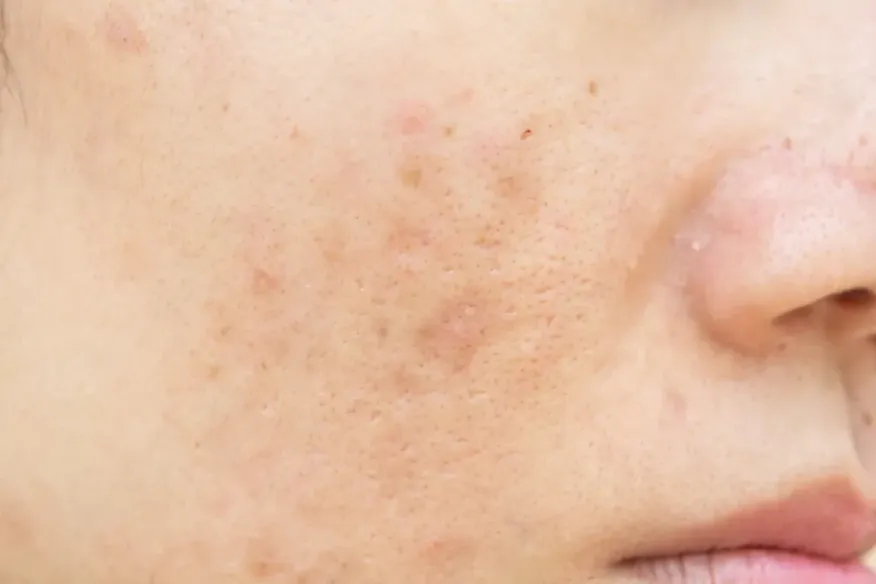
Acne develops when hair follicles become clogged with sebum, dead skin cells, and bacteria. A well‑formulated cleanser works by gently lifting these impurities without stripping the skin’s natural barrier. This balance is especially important for individuals with sensitive skin, who may experience irritation from harsh surfactants.
Key functions of an acne cleanser include:
- Removing excess oil and surface debris.
- Reducing the presence of Propionibacterium acnes bacteria.
- Preparing the skin for subsequent treatments such as topical retinoids or antibiotics.
Research shows that a twice‑daily cleansing routine can improve lesion count by 20‑25 % compared with irregular washing. However, over‑cleansing or using abrasive formulas can disrupt the skin’s pH, leading to increased oil production and more breakouts.
Key Ingredients to Look for in an Acne Cleanser
Choosing an effective product starts with understanding the active ingredients that target acne causes. Below is a table summarizing the most common components and their primary benefits.
| Ingredient | Function | Skin Type Suitability |
|---|---|---|
| Salicylic Acid | Koehler‑soluble beta‑hydroxy acid that exfoliates inside pores | Oily, combination, acne‑prone |
| Benzoyl Peroxide | Antibacterial agent that kills acne‑causing bacteria | Resistant acne, not ideal for very sensitive skin |
| Niacinamide | Anti‑inflammatory vitamin B3 that reduces redness | All skin types, especially sensitive |
| Tea Tree Oil | Natural antiseptic with mild acne‑fighting properties | Combination, oily |
| Glycerin | Humectant that maintains moisture balance | Dry, sensitive |
Products featuring salicylic acid, often marketed as “salicylic acid face wash” or “saslic acid face wash,” are among the most effective for unclogging pores. If you prefer a milder approach, a “gentle cleanser for clogged pores” with niacinamide or tea tree oil can provide anti‑inflammatory benefits without irritation.
Many consumers also search for “cerave acne control cleanser” or “cerave salicylic acid cleanser.” These formulations combine 2 % salicylic acid with ceramide‑rich moisturizers, making them suitable for both acne‑prone and sensitive skin. When evaluating options, consider the concentration (typically 0.5‑2 % for daily use) and whether the product is foaming or hydrating, as both can affect tolerance.
How to Choose the Best Acne Cleanser for Your Skin Type
Matching a cleanser to your specific skin characteristics is essential for optimal results. Below are practical guidelines for four common skin types.
- Oily Skin: Look for a foaming cleanser with 1‑2 % salicylic acid or benzoyl peroxide. Products labeled “best cleanser for oily skin” often contain oil‑absorbing agents like kaolin clay.
- Combination Skin: Opt for a “mild cleanser for acne” that balances oil control with hydration. A formula featuring niacinamide and glycerin works well.
- Dry or Sensitive Skin: Choose a “gentle cleanser for acne” that is free of harsh surfactants. Hydrating options such as “cerave acne control cleanser” or “cerave hydrating cleanser” provide barrier support.
- Acne‑Prone with Inflammation: Products with anti‑inflammatory ingredients like tea tree oil or niacinamide can soothe redness while treating breakouts.
When evaluating “best face wash for acne,” pay attention to the product’s pH level. A slightly acidic pH (around 5.5) helps maintain the skin’s natural barrier. Avoid “acne soap” that contains high‑pH surfactants, as they may exacerbate irritation.
In addition to ingredient lists, consider user reviews for clues about tolerability. For example, “cerave acne control cleanser reviews” often highlight its non‑comedogenic formula and gentle feel, making it a reliable choice for many patients.
Proper Cleansing Routine and Common Mistakes to Avoid
Even the most advanced acne cleanser cannot deliver results if used incorrectly. Follow these steps for an evidence‑based routine:
- Wet your face with lukewarm water to open pores gently.
- Apply a pea‑size amount of cleanser and massage in circular motions for 30‑60 seconds.
- Rinse thoroughly with cool water to close pores.
- Pat dry with a clean towel; avoid rubbing.
- Apply a suitable moisturizer to lock in hydration.
Common pitfalls include:
- Over‑cleansing: Washing more than twice daily can strip natural oils, prompting the skin to overproduce sebum.
- Using hot water: Excess heat can increase inflammation and redness.
- Skipping the rinse: Residual cleanser may irritate the skin and cause dryness.
- Neglecting the neck area: Breakouts often appear on the jawline and neck; treat these areas equally.
For those considering “double cleansing,” start with an oil‑based cleanser only if your skin tolerates it well; otherwise, a single gentle cleanser is sufficient. Research indicates that “oil cleansing can cause acne” when the oil phase is not fully removed, so ensure a thorough second rinse.
Recommended Acne Cleansers and Their Benefits
Below is a curated list of widely recognized products that align with the ingredient criteria discussed earlier. While individual responses vary, these options have received consistent positive feedback from dermatologists and users alike.
| Product | Key Ingredient | Skin Type | Notable Benefit |
|---|---|---|---|
| CeraVe Acne Control Cleanser | Salicylic Acid (2 %) | Oily / Combination | Non‑comedogenic, includes ceramides for barrier support |
| Neutrogena Oil‑Free Acne Wash | Benzoyl Peroxide (5 %) | Acne‑prone, not overly dry | Fast‑acting antibacterial action |
| La Roche‑Posay Effaclar Purifying Cleansing Gel | Salicylic Acid (2 %) + Zinc | Oily / Sensitive | Gentle, reduces shine without irritation |
| Paula’s Choice CLEAR Pore Normalizing Cleanser | Salicylic Acid (1 %) | All skin types | Fragrance‑free, suitable for sensitive skin |
| Vichy Normaderm Phytosolution Purifying Cleansing Gel | Glycolic Acid (5 %) + Salicylic Acid | Combination / Oily | Exfoliates surface and inside pores |
When selecting a “best face wash for acne,” consider the concentration of active ingredients, the presence of soothing agents, and whether the formula is fragrance‑free. For patients with highly sensitive skin, a “mild cleanser for acne” with niacinamide and glycerin may be more appropriate than a high‑strength benzoyl peroxide product.
Why Choose Gold City Medical Center
Gold City Medical Center combines medical expertise with aesthetic precision, offering personalized skin‑care consultations that include professional acne treatment plans. Our integrative approach integrates dermatology, cosmetic science, and patient‑focused care, ensuring each client receives a cleanser recommendation that aligns with their unique skin profile and overall health goals. Trust our experienced team to guide you toward clearer, healthier skin.
Ready to transform your skin? Book a personalized consultation with our dermatology specialists today and receive a customized acne‑cleansing protocol.
Contact us now to schedule your appointment and start your journey toward a clearer complexion.
FAQ
What should I look for in an acne cleanser?
Choose a cleanser with proven active ingredients like salicylic acid or benzoyl peroxide, appropriate for your skin type, and avoid harsh surfactants.
How often should I cleanse my face to treat acne?
Cleanse twice daily—morning and evening—for optimal acne control without over‑stripping the skin.
Are salicylic acid and benzoyl peroxide safe for sensitive skin?
Salicylic acid is generally well‑tolerated at low concentrations, while benzoyl peroxide may cause irritation and should be introduced gradually.
Can a cleanser replace other acne treatments?
No, a cleanser is a foundational step but should be used alongside targeted treatments like retinoids or antibiotics.
What are common mistakes when using an acne cleanser?
Common errors include over‑cleansing, using hot water, not rinsing fully, and neglecting the neck and jawline area.

