Back acne treatment is a common concern for many individuals who struggle with persistent breakouts on their torso. Whether you refer to it as bacne, body acne, or simply back zits, the condition can affect confidence and comfort. In this article we explore the underlying causes, the most effective topical and professional therapies, and practical lifestyle changes that support lasting results. Did you know that up to 25% of teenagers experience back acne at some point? Understanding why it occurs is the first step toward a successful treatment plan.
We will guide you through evidence‑based options ranging from over‑the‑counter cleansers to advanced laser procedures offered at Gold City Medical Center. By the end of this read, you’ll have a clear roadmap to reduce inflammation, prevent new lesions, and minimize scarring.
Let’s begin by uncovering what triggers back acne and how you can target those factors with the right back acne treatment strategy.
Understanding Back Acne: Causes and Types
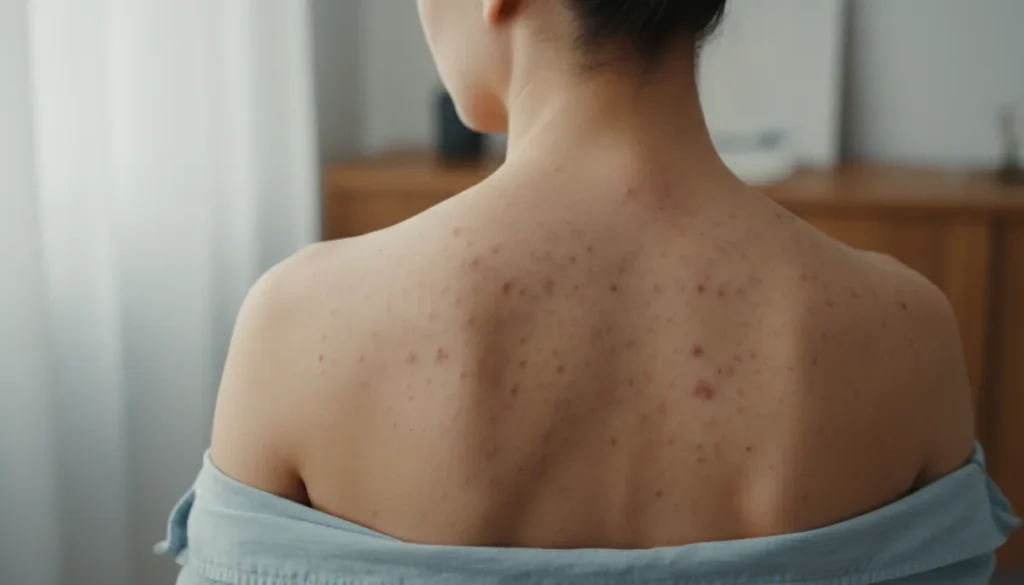
Back acne, often called bacne, develops when hair follicles become clogged with excess oil, dead skin cells, and bacteria. Hormonal fluctuations, especially during adolescence and menstrual cycles, increase sebum production, while friction from clothing or backpacks can exacerbate irritation. Recognizing the specific cause helps tailor the most effective approach.
- Hormonal factors: Androgens stimulate oil glands, leading to clogged pores.
- Friction and sweat: Tight clothing, sports gear, and prolonged sweating trap heat and moisture.
- Improper hygiene: Infrequent showering after workouts allows bacteria to multiply.
- Genetic predisposition: Family history can influence skin’s response to oil.
Back acne can appear as whiteheads, blackheads, papules, pustules, or cystic lesions. Cystic forms are deeper and more painful, often requiring professional intervention. Identifying the type of lesion informs whether a simple topical regimen or a more intensive bacne treatment is necessary.
Topical Treatments and Over-the-Counter Options
For mild to moderate back acne, topical agents remain the cornerstone of therapy. Selecting the right formulation can dramatically reduce inflammation and clear pores.
Key Ingredients to Look For
| Ingredient | Primary Action | Typical Use |
|---|---|---|
| Benzoyl Peroxide (2–10%) | Antibacterial, reduces oil | Daily spot treatment or whole‑back wash |
| Salicylic Acid (0.5–2%) | Keratin exfoliation | Pre‑shower cleanser or leave‑on gel |
| Retinoids (Adapalene) | Cell turnover, anti‑inflammatory | Nighttime cream or lotion |
| Tea Tree Oil | Natural antiseptic | Spot application, diluted |
Products such as a bacne benzoyl peroxide wash or a bacne shower gel can be incorporated into daily routines. Apply the cleanser to wet skin, gently massage, and rinse thoroughly to avoid excessive dryness.
When using benzoyl peroxide, start with a lower concentration to gauge tolerance, then gradually increase if needed. Pairing it with a non‑comedogenic moisturizer helps maintain the skin barrier.
For those preferring natural alternatives, tea tree oil combined with a gentle cleanser offers a mild antibacterial effect without the irritation some chemical agents cause.
Professional Procedures: Laser, Chemical Peels, and Light Therapy
When over‑the‑counter options fall short, professional back acne treatment methods can deliver deeper results. Gold City Medical Center offers several clinically proven procedures tailored to the severity of the breakout.
Laser and Light-Based Therapies
Laser therapy targets the bacteria Propionibacterium acnes and reduces sebaceous gland activity. Common options include:
- Blue Light Therapy: Kills acne‑causing bacteria without damaging surrounding tissue.
- Photodynamic Therapy (PDT): Uses a photosensitizing agent activated by light to reduce inflammation.
- Fractional Laser: Improves skin texture and minimizes scarring.
These sessions typically require 4–6 treatments spaced 2–4 weeks apart, with minimal downtime.
Chemical Peels and Extractions
Professional chemical peels containing glycolic or salicylic acid penetrate deeper than home products, exfoliating clogged pores and stimulating collagen production. When combined with manual extractions, they can significantly reduce the number of active lesions.
For cystic bacne, a combination of intralesional corticosteroid injections and laser therapy offers rapid inflammation control.
Choosing the appropriate procedure depends on skin type, acne severity, and personal preferences. A board‑certified dermatologist at Gold City Medical Center will conduct a thorough assessment to recommend the optimal plan.
Lifestyle and Home Care Strategies
Beyond products and procedures, everyday habits play a crucial role in preventing and managing back acne. Small adjustments can enhance the effectiveness of any bacne treatment plan.
Hygiene Practices
- Shower within 15 minutes after sweating, using a gentle cleanser.
- Choose breathable fabrics like cotton; avoid tight synthetic wear.
- Wash bedding and workout clothes weekly to reduce bacterial buildup.
Diet and Hydration
While the link between diet and acne remains complex, studies suggest that high glycemic foods and dairy may aggravate breakouts for some individuals. Maintaining a balanced diet rich in antioxidants, omega‑3 fatty acids, and staying well‑hydrated supports skin health.
Stress Management
Stress triggers cortisol release, which can increase oil production. Incorporating relaxation techniques such as yoga, meditation, or regular exercise helps keep hormonal fluctuations in check.
Implementing these lifestyle tweaks alongside targeted products maximizes results and reduces the likelihood of recurrence.
Managing Scars and Long-Term Prevention
Even with successful back acne treatment, residual marks can persist. Addressing scars early prevents them from becoming permanent.
Topical Scar Therapies
- Silicone Gel Sheets: Hydrate scar tissue and flatten raised areas.
- Retinoid Creams: Promote collagen remodeling.
- Vitamin C Serums: Brighten hyperpigmentation.
Advanced Scar Revision
Procedures such as microneedling, fractional laser resurfacing, and subcision are effective for deep depressions or hypertrophic scars. These are typically performed in a series of sessions with a qualified dermatologist.
Long‑term prevention hinges on consistent skin care, periodic professional evaluations, and adapting treatment as skin changes with age or hormonal cycles. Scheduling regular follow‑ups at Gold City Medical Center ensures you stay ahead of any flare‑ups.
Why Choose Gold City Medical Center
Gold City Medical Center combines integrative medicine with cutting‑edge cosmetic expertise, offering personalized back acne treatment plans that address both the skin surface and underlying factors. Our team of board‑certified dermatologists utilizes advanced laser technology, evidence‑based topical protocols, and holistic lifestyle counseling to deliver lasting results. With a commitment to patient education and comfort, we ensure each treatment is tailored to your unique skin type and goals.
Ready to regain confidence with clear, healthy skin? Contact Gold City Medical Center today to schedule a comprehensive consultation and start your personalized back acne treatment journey.
FAQ
What are the main causes of back acne?
Back acne is caused by clogged hair follicles due to excess oil, dead skin cells, bacteria, hormonal changes, friction, and genetics.
Which over‑the‑counter ingredients are most effective for bacne?
Benzoyl peroxide, salicylic acid, retinoids, and tea tree oil are the most evidence‑based OTC ingredients for back acne.
When should I consider professional laser or light therapy for back acne?
Professional laser or light therapy is recommended for moderate to severe or cystic bacne that does not improve with OTC products.
How can lifestyle changes support my bacne treatment plan?
Good hygiene, breathable clothing, a balanced diet, adequate hydration, and stress management all boost bacne outcomes.
What options exist for treating acne scars after bacne clears?
Topical silicone gels, retinoid creams, vitamin C serums, and procedures like microneedling or fractional laser can improve acne scars.





