Finding a reliable hair loss cure is a top priority for millions who notice thinning strands or a receding hairline. This article explores the science behind hair loss, reviews medical and surgical options, and offers practical lifestyle tips that together form a comprehensive approach to regaining confidence.
Did you know that over 50% of men experience noticeable hair thinning by age 35, and up to 40% of women report significant hair loss after menopause? These statistics highlight how common the issue is and why a personalized cure is essential.
We will examine the root causes of hair loss, evaluate the most effective treatments—including the latest in hair transplant technology—and discuss how integrative care at Gold City Medical Center can tailor a solution to your unique needs.
Understanding Hair Loss: Causes and Types
Before pursuing any hair loss cure, it’s crucial to understand why hair falls out. The most prevalent forms include androgenetic alopecia (commonly known as male or female pattern baldness), alopecia areata, traction alopecia, and telogen effluvium. Each type has distinct triggers and treatment pathways.
Androgenetic Alopecia
This hereditary condition accounts for the majority of cases. It is driven by dihydrotestosterone (DHT) which miniaturizes hair follicles, leading to thinner strands and eventual loss. Men typically notice a receding hairline and bald crown, while women experience diffuse thinning across the scalp.
Alopecia Areata
Autoimmune in nature, alopecia areata causes sudden, patchy hair loss. Although not directly linked to DHT, it can progress to total scalp loss (alopecia totalis) if untreated.
Other Contributing Factors
- Hormonal changes (e.g., menopause, thyroid disorders)
- Stress and nutritional deficiencies
- Medical treatments such as chemotherapy
- Improper hair styling causing traction alopecia
Identifying the specific type of hair loss guides the selection of an appropriate cure, whether it involves medication, transplant, or supportive care.
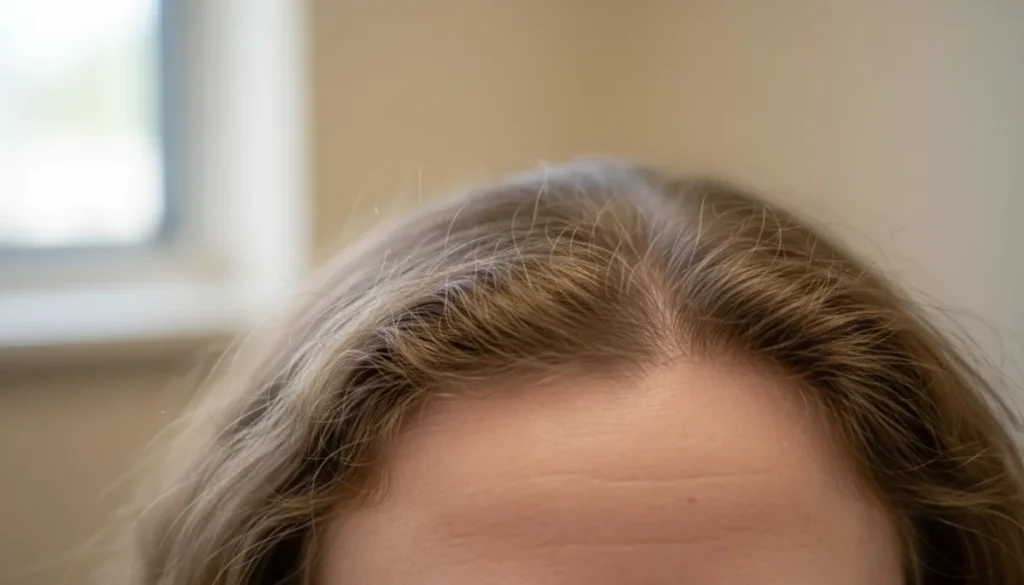
Medical Treatments That Offer a Hair Loss Cure
Pharmaceutical and non‑surgical interventions can halt progression and stimulate new growth for many patients. Below are the most evidence‑based options.
Finasteride and DHT Blockers
Finasteride, a prescription pill, reduces DHT levels, directly addressing the hormonal driver of androgenetic alopecia. Clinical trials show up to 90% of users experience slowed loss and measurable regrowth after 12 months.
Topical Minoxidil
Available over the counter, minoxidil widens blood vessels in the scalp, delivering more nutrients to follicles. It is often combined with finasteride for synergistic effect.
Platelet‑Rich Plasma (PRP) Therapy
PRP involves drawing a small amount of the patient’s blood, concentrating platelets, and injecting them into the scalp. Growth factors in platelets stimulate dormant follicles and improve density.
Hair Growth Products
Cosmeceuticals containing peptides, caffeine, and botanical extracts can complement medical therapy. While not a standalone cure, they support overall follicle health.
| Treatment | Mechanism | Typical Results (6‑12 months) | Key Considerations |
|---|---|---|---|
| Finasteride | DHT inhibition | 30‑50% increase in hair count | Requires prescription; monitor for side effects |
| Minoxidil | Vasodilation | 10‑25% increase in thickness | Must be used twice daily |
| PRP Therapy | Growth factor stimulation | 15‑35% improvement in density | Multiple sessions needed |
These medical avenues constitute a core component of a comprehensive hair loss cure plan, especially when tailored by specialists at Gold City Medical Center.
Surgical Options: Hair Transplant Techniques
When medical therapy reaches its limits, surgical restoration offers a permanent solution. Modern hair transplant methods achieve natural‑looking density with minimal downtime.
Follicular Unit Extraction (FUE)
FUE removes individual follicular units from a donor area (usually the back of the head) and implants them into balding zones. The technique leaves tiny dot scars that are virtually invisible.
Follicular Unit Transplantation (FUT)
FUT involves harvesting a strip of scalp, dissecting it into follicular units, and then transplanting. It can yield a higher number of grafts in a single session, making it suitable for extensive baldness.
Robotic Assistance
Robotic systems enhance precision, reduce human error, and shorten procedure time. They are increasingly adopted in high‑volume clinics for consistent results.
- Typical graft survival rate: 90‑95%
- Recovery period: 7‑10 days for mild redness
- Full results visible after 12‑18 months
Choosing the right surgical method depends on hair loss severity, donor hair quality, and personal preferences—all factors evaluated during a thorough assessment at Gold City Medical Center.
Lifestyle and Natural Approaches to Support Hair Regrowth
Even with medical or surgical interventions, daily habits play a vital role in sustaining a hair loss cure. Nutrition, stress management, and scalp care can enhance outcomes.
Nutrition and Vitamins
Essential nutrients for hair health include biotin, zinc, iron, vitamin D, and omega‑3 fatty acids. A balanced diet rich in lean proteins, leafy greens, nuts, and fatty fish supplies the building blocks for robust follicles.
Scalp Health Practices
- Gentle cleansing with sulfate‑free shampoos
- Regular scalp massage to improve circulation
- Avoiding tight hairstyles that cause traction alopecia
Stress Reduction Techniques
Chronic stress elevates cortisol, which can disrupt the hair growth cycle. Incorporating yoga, meditation, or regular exercise helps maintain hormonal balance.
While these natural strategies are not standalone cures, they reinforce medical treatments and improve long‑term hair vitality.
Choosing the Right Solution: How to Evaluate Options
Selecting the optimal hair loss cure involves assessing severity, budget, and personal expectations. Below is a step‑by‑step framework to guide decision‑making.
Step 1: Diagnose the Type
Consult a qualified dermatologist or trichologist to determine whether you have androgenetic alopecia, alopecia areata, or another condition.
Step 2: Review Medical History
Consider any underlying health issues, medications, or hormonal factors that may influence treatment choice.
Step 3: Compare Treatment Modalities
| Option | Invasiveness | Cost (EUR) | Typical Timeline | Best For |
|---|---|---|---|---|
| Finasteride + Minoxidil | Low | 150‑300 per year | 3‑12 months | Early‑stage androgenetic alopecia |
| PRP Therapy | Medium | 500‑800 per session | 6‑12 months | Patients seeking non‑surgical boost |
| FUE Hair Transplant | High | 3,000‑8,000 | 12‑18 months | Advanced balding, permanent results |
Step 4: Consult an Expert
Gold City Medical Center offers a multidisciplinary team that evaluates your condition, discusses realistic expectations, and designs a personalized plan.
By following this structured approach, you can confidently select a solution that aligns with your goals and maximizes the likelihood of a lasting cure.
Why Choose Gold City Medical Center
Gold City Medical Center combines state‑of‑the‑art technology with a holistic philosophy, delivering integrated care for hair loss, medical, and aesthetic needs. Our team of board‑certified specialists tailors each hair loss cure plan to the individual, ensuring safety, effectiveness, and a seamless patient experience. With a track record of successful transplants and innovative therapies, we are dedicated to restoring both hair and confidence.
Ready to start your journey toward a proven hair loss cure? Contact Gold City Medical Center today to schedule a comprehensive consultation and discover the personalized solution that’s right for you.
Take the first step—call now or fill out our online request form and let our experts guide you to lasting results.
FAQ
What are the most common causes of hair loss?
The most common causes include androgenetic alopecia, hormonal changes, stress, nutritional deficiencies, and certain medical treatments.
How does finasteride work as a hair loss treatment?
Finasteride blocks the conversion of testosterone to DHT, reducing the hormone that miniaturizes hair follicles.
What is PRP therapy and what results can be expected?
PRP therapy injects concentrated platelets into the scalp to stimulate dormant follicles, typically improving density by 15‑35% after several sessions.
What are the differences between FUE and FUT hair transplant methods?
FUE extracts individual follicles leaving tiny dot scars, while FUT removes a strip of scalp, yielding more grafts in one session but leaving a linear scar.
Can lifestyle changes improve hair regrowth alongside medical treatments?
Yes, proper nutrition, stress management, and scalp care can enhance the effectiveness of medical and surgical hair loss solutions.
How long does it take to see results after a hair transplant?
Visible new hair typically appears after 3‑4 months, with full maturation and density achieved by 12‑18 months.
What factors should I consider when choosing a hair loss cure?
Consider the type and severity of loss, budget, invasiveness, expected timeline, and whether you prefer medical, surgical, or natural approaches.





