A reliable remedy for dark spots begins with understanding what causes these blemishes and how they develop over time. Dark spots, also known as hyperpigmentation, can appear on any skin tone and are often triggered by sun exposure, hormonal changes, or inflammation. In this article, we explore the science behind pigment irregularities, review both over‑the‑counter and clinical treatments, and provide practical lifestyle tips to prevent future discoloration.
According to dermatological studies, up to 70% of adults notice some form of skin discoloration by the age of 40. Whether you refer to them as liver spots, age spots, or sun spots, the impact on confidence can be significant. By addressing the root causes and selecting the appropriate remedy for dark spots, you can achieve a smoother, more luminous complexion.
We will guide you through the most effective options—from topical serums and natural extracts to advanced laser therapies—so you can make informed decisions tailored to your skin type and goals.
Understanding Dark Spots: Causes and Types
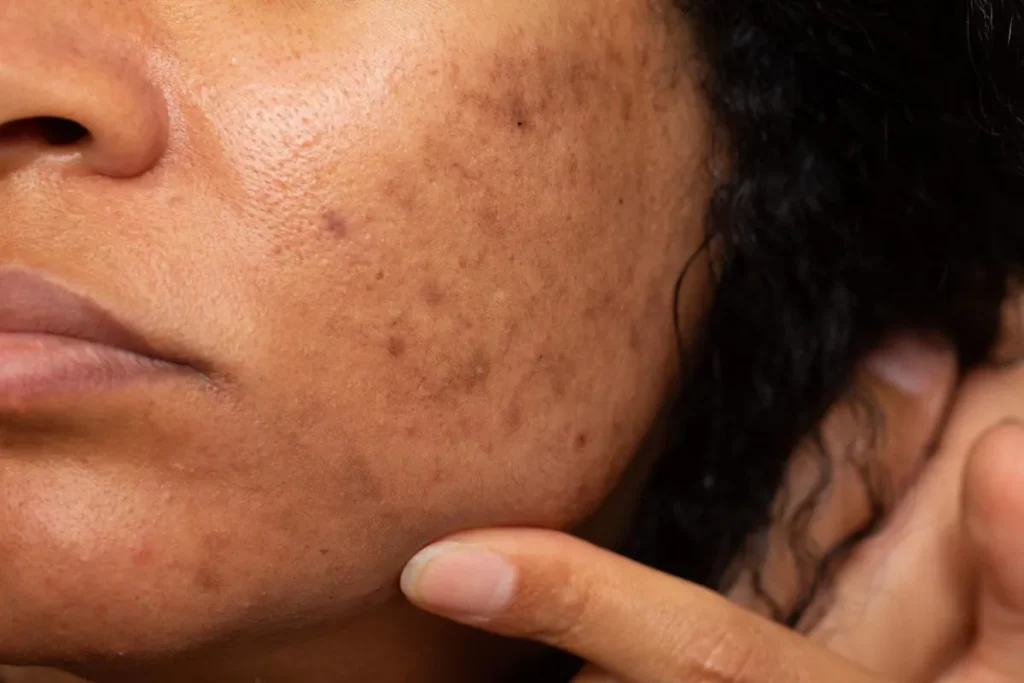
Dark spots are patches of skin that become darker than the surrounding area due to excess melanin production. The primary forms include:
- Solar lentigines (commonly called liver spots) caused by cumulative sun exposure.
- Melasma, often linked to hormonal fluctuations such as pregnancy or oral contraceptives.
- Post‑inflammatory hyperpigmentation that follows acne, eczema, or skin injury.
- Age spots, which develop naturally as skin ages.
Several factors influence the development of these discolorations:
| Factor | Impact on Pigmentation |
|---|---|
| UV Radiation | Stimulates melanin synthesis, leading to solar lentigines. |
| Hormonal Changes | Can trigger melasma, especially in women. |
| Inflammation | Triggers post‑inflammatory hyperpigmentation. |
| Genetics | Predisposes certain individuals to darker spots. |
Understanding these categories helps you choose a targeted remedy for dark spots that addresses the specific cause rather than applying a generic solution.
Topical Treatments and Over‑the‑Counter Options
Topical agents remain the most accessible remedy for dark spots, offering gradual improvement with consistent use. The effectiveness of a product often depends on its active ingredients and formulation.
Key Active Ingredients
- Hydroquinone – Gold standard for inhibiting melanin production, typically used at 2‑4% concentrations.
- Vitamin C (Ascorbic Acid) – Antioxidant that brightens skin and reduces oxidative stress.
- Niacinamide – Reduces the transfer of melanin to skin cells.
- Alpha Arbutin – A gentler alternative to hydroquinone with similar depigmenting effects.
- Retinoids (Retinol, Tretinoin) – Promote cell turnover and enhance the penetration of other agents.
When selecting a product, look for formulations that combine multiple ingredients for synergistic results. For example, a serum containing both vitamin C and niacinamide can brighten while strengthening the skin barrier.
Application Guidelines
- Cleanse the skin gently to remove impurities.
- Apply the active serum to the affected area twice daily.
- Follow with a broad‑spectrum sunscreen (SPF 30 or higher) to prevent new spots.
- Monitor progress; most products require 8‑12 weeks for visible results.
While many over‑the‑counter solutions can be effective, they may not match the speed of professional interventions. For stubborn hyperpigmentation, consider consulting a dermatologist to discuss prescription‑strength options.
Professional Procedures: Laser, IPL, and Microneedling
When a quick and noticeable remedy for dark spots is desired, clinical procedures can deliver superior results. These treatments work by disrupting melanin clusters and stimulating fresh skin growth.
Laser Therapy
Fractional lasers target pigmented cells with precise wavelengths, fragmenting melanin and prompting the body’s healing response. Common laser types include Q‑switched Nd:YAG and fractional CO₂ lasers.
- Ideal for deep, entrenched spots such as age spots and liver spots.
- Typically requires 1‑3 sessions spaced four weeks apart.
- Minimal downtime; mild redness may persist for a few days.
Intense Pulsed Light (IPL)
IPL delivers broad-spectrum light to treat superficial hyperpigmentation. It is less aggressive than laser but still effective for lighter spots.
- Best suited for sun spots and early melasma.
- Multiple sessions (usually 3‑5) are needed for optimal results.
- Can also improve overall skin tone and texture.
Microneedling with Radiofrequency
Microneedling creates micro‑channels in the skin, allowing topical agents to penetrate deeper. When combined with radiofrequency, it also stimulates collagen production, reducing the appearance of dark patches.
- Combines mechanical and thermal effects for comprehensive improvement.
- Suitable for all skin types, including darker tones.
- Recovery time is typically 24‑48 hours.
Choosing the right procedure depends on spot depth, skin type, and personal tolerance. A qualified specialist at Gold City Medical Center can evaluate your condition and recommend a customized plan.
Lifestyle and Home Remedies for Long‑Term Prevention
Beyond active treatment, adopting daily habits can serve as a sustainable remedy for dark spots by preventing new discoloration from forming.
Sun Protection
UV exposure is the leading cause of hyperpigmentation. Consistent sun protection is non‑negotiable:
- Apply a broad‑spectrum sunscreen (SPF 30+) every morning.
- Reapply every two hours, especially after swimming or sweating.
- Wear protective clothing, wide‑brim hats, and sunglasses.
Diet and Antioxidants
Foods rich in antioxidants support skin health and reduce melanin overproduction. Include:
- Vitamin C‑rich fruits (oranges, kiwi, berries).
- Beta‑carotene sources (carrots, sweet potatoes).
- Green tea, which contains polyphenols that combat oxidative stress.
Gentle Exfoliation
Regular, mild exfoliation helps remove pigmented dead skin cells, allowing newer, evenly toned cells to surface.
- Use chemical exfoliants (AHAs or BHAs) 2‑3 times weekly.
- Avoid harsh scrubs that can cause inflammation and worsen spots.
Integrating these habits with professional care creates a comprehensive strategy that maintains results and minimizes recurrence.
Choosing the Right Treatment Plan with a Specialist
Every individual’s skin is unique, making personalized consultation essential for an effective remedy for dark spots. A qualified dermatologist will assess the type, depth, and distribution of pigmentation before recommending a tailored regimen.
Initial Consultation
During the first visit, the specialist typically performs:
- Visual examination and medical history review.
- Wood’s lamp analysis to differentiate types of hyperpigmentation.
- Discussion of lifestyle factors and previous treatments.
Customized Treatment Roadmap
Based on the assessment, a roadmap may combine:
- Topical agents for daily maintenance.
- In‑office procedures for accelerated improvement.
- Lifestyle recommendations to sustain results.
Regular follow‑up appointments allow the practitioner to monitor progress, adjust concentrations, and prevent potential side effects.
Why Choose Gold City Medical Center
Gold City Medical Center offers an integrative approach that blends medical expertise with aesthetic precision. Our team of board‑certified dermatologists and cosmetic specialists utilizes the latest laser technologies, personalized skincare protocols, and evidence‑based natural remedies. With a focus on safety, efficacy, and patient comfort, we ensure each treatment plan is uniquely tailored to your skin’s needs, delivering lasting clarity and confidence.
Ready to reclaim a flawless complexion? Contact Gold City Medical Center today to schedule your personalized skin evaluation and discover the most effective remedy for dark spots for your unique needs.
Call us or visit our clinic for a complimentary consultation and take the first step toward radiant, even skin.
FAQ
What are the main causes of dark spots?
Dark spots are caused by excess melanin production due to UV exposure, hormonal changes, inflammation, and genetics.
Which over‑the‑counter ingredients are most effective for fading dark spots?
Hydroquinone, vitamin C, niacinamide, alpha arbutin, and retinoids are the top OTC ingredients for dark spot reduction.
How do laser and IPL treatments work to remove dark spots?
They target melanin with focused light energy, breaking down pigment and stimulating skin renewal.
What daily habits can prevent new dark spots from forming?
Consistent sunscreen use, antioxidant‑rich diet, and gentle exfoliation are key preventive habits.
Is it safe to use brightening treatments on darker skin tones?
Yes, when using appropriate concentrations and professional guidance, brightening treatments can be safe for darker skin.





