Facial scars can be a source of self‑consciousness, especially when they result from acne, injury, or surgery. Understanding scars for face and the range of treatments available is the first step toward smoother, healthier skin. In the Netherlands, more than one in five adults reports being bothered by facial scarring, highlighting the growing demand for safe and effective solutions.
This article explores the science behind different scar types, reviews the latest medical and cosmetic interventions, and provides practical home‑care tips. Whether you are dealing with faint acne marks or deeper hypertrophic scars, the information here will help you choose a personalized plan that aligns with your goals and lifestyle.
We will also examine how integrative approaches—combining professional procedures with targeted skincare—can accelerate healing and improve appearance. By the end of the guide, you’ll have a clear roadmap for managing scars for face and restoring confidence in your skin.
Understanding Different Types of Facial Scars
Not all scars are created equal. Recognizing the specific kind of scar you have determines the most appropriate treatment strategy. Below is a summary of the most common facial scar categories:
- Atrophic scars – shallow depressions often caused by acne or chickenpox.
- Hypertrophic scars – raised, thickened tissue that stays within the wound boundary.
- Keloid scars – overgrown scar tissue extending beyond the original injury.
- Contracture scars – result from severe burns and may limit skin mobility.
- Post‑surgical scars – linear marks following cosmetic or medical procedures.
Below is a quick comparison of key characteristics and typical treatment pathways:
| Scar Type | Appearance | Typical Causes | Preferred Treatments |
|---|---|---|---|
| Atrophic | Indented, often ice‑pick | Acne, varicella | Microneedling, laser resurfacing |
| Hypertrophic | Raised, reddish | Injury, surgery | Silicone sheets, steroid injections |
| Keloid | Thick, extending | Genetic predisposition | Laser, cryotherapy, silicone |
| Contracture | Hard, restrictive | Severe burns | Physical therapy, surgical release |
| Post‑surgical | Linear, varied height | Incisions | Scar massage, laser, topical agents |
Understanding these distinctions is essential because a treatment that works well for atrophic acne scars may be ineffective—or even counterproductive—for hypertrophic or keloid tissue. The next sections outline the most advanced medical options tailored to each scar type.
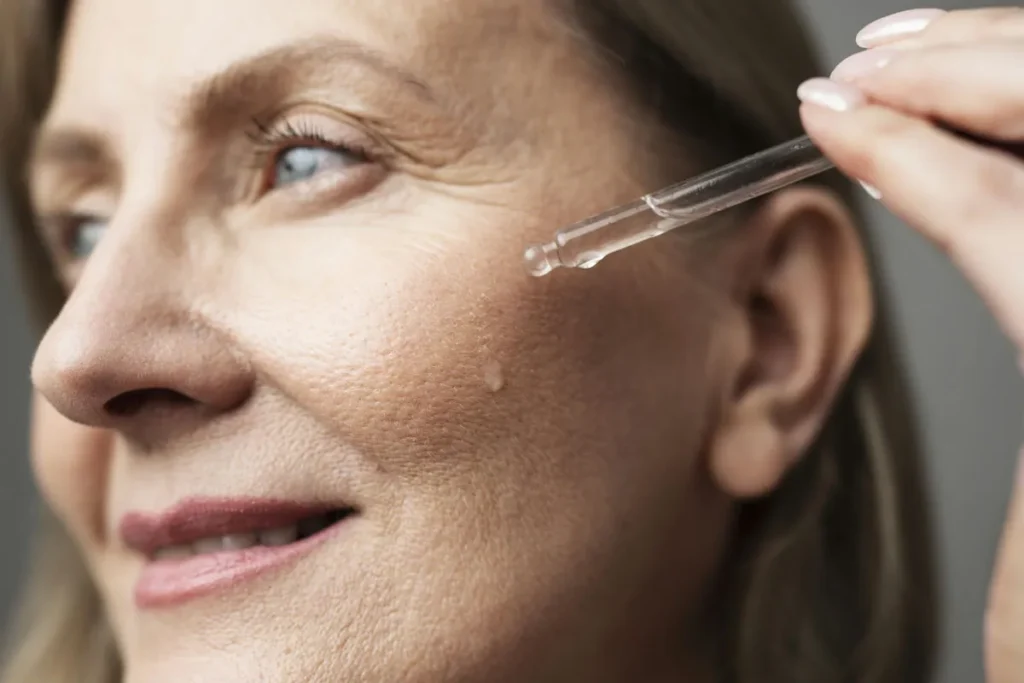
Modern Medical Options for Reducing Facial Scars
When it comes to scars for face, medical technologies have dramatically expanded the toolkit available to dermatologists and cosmetic surgeons. Below are the most widely used procedures, grouped by invasiveness and expected outcomes.
Laser Therapy
Laser resurfacing, including fractional CO₂ and Erbium:YAG lasers, works by creating micro‑columns of heat that stimulate collagen remodeling. This method is especially effective for atrophic acne scars and fine textural irregularities. Patients typically notice a gradual lightening of scar pigmentation within 2–4 weeks, with full results emerging after several sessions.
Microneedling and Radiofrequency (RF)
Microneedling uses fine needles to puncture the skin, prompting a natural healing cascade. When combined with RF energy, the procedure can tighten deeper scar tissue, making it suitable for hypertrophic scars. The technique is minimally invasive, requires little downtime, and can be paired with topical serums for enhanced results.
Dermal Fillers
Injectable fillers, such as hyaluronic acid, can temporarily raise depressed atrophic scars, creating a smoother surface. While not a permanent solution, fillers provide immediate improvement and are often used as a bridge while longer‑term treatments take effect.
Surgical Revision
For severe contracture or wide keloid scars, surgical excision followed by careful wound closure may be necessary. Surgeons often combine excision with postoperative scar management—like silicone gel sheets or pressure therapy—to reduce recurrence.
Below is a concise overview of each option’s key benefits and typical recovery times:
| Procedure | Ideal For | Recovery | Result Timeline |
|---|---|---|---|
| Laser Resurfacing | Atrophic, pigmentary | 5–7 days | 4–6 weeks |
| Microneedling + RF | Hypertrophic, texture | 2–3 days | 3–5 weeks |
| Dermal Fillers | Depressed scars | Same day | Immediate |
| Surgical Revision | Severe contracture | 1–2 weeks | Months |
Choosing the right medical approach depends on scar depth, location, and your personal tolerance for downtime. A qualified dermatologist can assess your unique situation and design a protocol that maximizes improvement while minimizing risk.
Topical and Home Care Strategies
While professional procedures deliver the most dramatic change, daily skincare can significantly support the healing process for scars for face. Consistency and the right ingredients are key.
Silicone Gel Sheets and Scar Creams
Silicone is the gold standard for scar modulation. Gel sheets applied for 12‑24 hours daily can flatten raised tissue, reduce redness, and improve texture. Over a period of 8‑12 weeks, many users report a noticeable softening of hypertrophic scars.
Retinoids and Alpha‑Hydroxy Acids (AHAs)
Topical retinoids increase cell turnover, helping to fade pigmented scars and smooth surface irregularities. AHAs such as glycolic acid also promote exfoliation, making them valuable adjuncts for acne‑related marks. Start with low concentrations to avoid irritation.
Natural Remedies
Ingredients like aloe vera, vitamin C serum, and tea tree oil possess anti‑inflammatory and collagen‑boosting properties. While they may not replace medical interventions, they can accelerate recovery and improve overall skin health when used alongside prescribed treatments.
Here is a quick checklist for an effective home‑care routine:
- Cleanse with a gentle, non‑scrubbing cleanser twice daily.
- Apply silicone gel or sheet after the wound has fully closed.
- Use a retinoid or AHA product every other night, building tolerance gradually.
- Incorporate antioxidant serums (vitamin C) in the morning.
- Protect the area with broad‑spectrum SPF 30+ daily.
Remember that sun exposure can darken scar tissue, prolonging the healing timeline. Consistent sunscreen use is one of the most effective measures to keep facial scars from becoming more pronounced.
Lifestyle Tips to Support Healing and Minimize Scarring
Beyond products and procedures, everyday habits influence how quickly and effectively your skin repairs itself. Below are evidence‑based lifestyle recommendations that complement medical treatments for scars for face.
Nutrition for Skin Regeneration
Protein, zinc, and vitamin C are essential building blocks for collagen synthesis. Incorporate lean meats, legumes, citrus fruits, and leafy greens into your diet. Omega‑3 fatty acids, found in fish and flaxseed, also help reduce inflammation that can exacerbate scar formation.
Hydration and Sleep
Staying well‑hydrated maintains skin elasticity, while adequate sleep supports the body’s natural repair cycles. Aim for at least 8 glasses of water per day and 7‑9 hours of quality sleep each night.
Avoid Smoking and Excess Alcohol
Both smoking and heavy alcohol consumption impair blood flow and collagen production, leading to slower healing and more noticeable scar tissue. Quitting smoking can improve scar outcomes by up to 30% according to clinical observations.
Gentle Physical Activity
Low‑impact exercises, such as walking or yoga, boost circulation and deliver oxygen‑rich blood to the skin, facilitating tissue repair. However, avoid activities that cause excessive sweating or friction on fresh wound sites.
Below is a summary of daily habits that promote optimal scar healing:
| Habit | Impact on Scars | Implementation Tips |
|---|---|---|
| Balanced Diet | Improves collagen | Include protein, vitamin C, zinc daily |
| Hydration | Maintains elasticity | Drink 2‑3 L water |
| Sleep | Enhances repair | 7‑9 hrs nightly |
| No Smoking | Prevents delayed healing | Seek cessation support |
| Sun Protection | Reduces hyperpigmentation | Apply SPF 30+ daily |
Adopting these habits creates a supportive environment for any clinical treatment you may undergo, increasing the likelihood of a smoother, less visible result.
Why Choose Gold City Medical Center
Gold City Medical Center combines state‑of‑the‑art technology with a holistic approach to aesthetic medicine. Our team of board‑certified dermatologists and cosmetic surgeons tailors each scar‑reduction plan to the individual, ensuring optimal safety and efficacy. From fractional laser systems to personalized skincare protocols, we prioritize evidence‑based treatments that deliver lasting results. Trust our expertise to guide you toward clearer, more confident skin.
Ready to transform your facial scars into a smoother canvas? Contact Gold City Medical Center today to schedule a personalized consultation and discover the most effective treatment pathway for your skin.
FAQ
What are the most common types of facial scars?
The main types are atrophic, hypertrophic, keloid, contracture, and post‑surgical scars.
How does laser therapy reduce facial scars?
Laser resurfacing creates micro‑columns of heat that stimulate collagen remodeling, lightening scar pigmentation and smoothing texture.
Can microneedling with radiofrequency improve hypertrophic scars?
Yes, microneedling combined with RF can tighten and flatten hypertrophic scar tissue with minimal downtime.
What are the benefits of silicone gel sheets for scar management?
Silicone sheets flatten raised tissue, reduce redness, and improve texture when used consistently for 8‑12 weeks.
Which home‑care ingredients help fade facial scars?
Aloe vera, vitamin C serum, retinoids, AHAs, and tea tree oil can support scar fading when used alongside medical treatments.
How does nutrition affect scar healing?
Protein, zinc, vitamin C, and omega‑3 fatty acids provide the building blocks for collagen and reduce inflammation, speeding scar repair.





