Female hair loss testosterone is a topic that often raises questions among women noticing unexpected thinning or bald patches. Hormonal fluctuations, especially involving testosterone, can play a pivotal role in the health of the scalp and hair follicles. In this article we explore how testosterone interacts with hair growth, identify common causes beyond hormones, outline diagnostic steps, and present a range of treatment options—including advanced hair transplant techniques available at Gold City Medical Center.
According to recent dermatological studies, up to 40% of women experience noticeable hair thinning by the age of 50, and hormonal imbalances are a leading contributor. Understanding the underlying mechanisms empowers you to seek targeted solutions rather than generic hair care products.
We will walk through the science of androgenic effects, differentiate between pattern baldness and other forms of alopecia, and provide practical guidance on lifestyle adjustments that support hair health. Whether you are dealing with early signs of androgenetic alopecia or seeking comprehensive care, this guide offers evidence‑based insights to help you make informed decisions.
How Testosterone Affects Hair Growth in Women
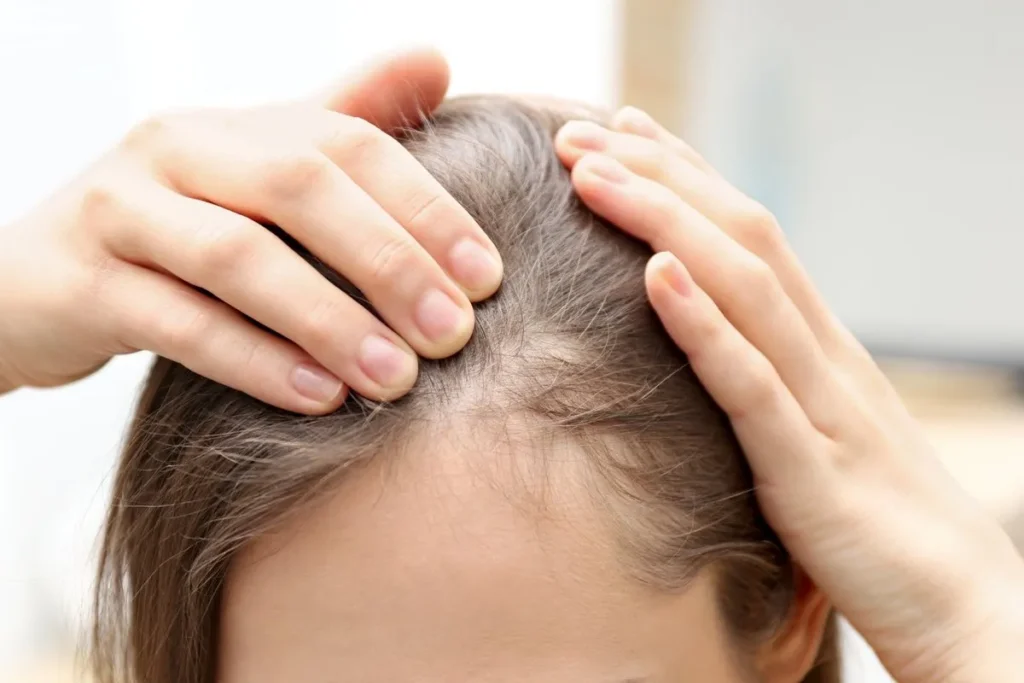
Testosterone is often labeled as a male hormone, yet women produce it in smaller amounts through the ovaries and adrenal glands. When levels rise—due to conditions such as polycystic ovary syndrome (PCOS) or certain endocrine disorders—the excess can be converted into dihydrotestosterone (DHT), a potent androgen that binds to receptors in hair follicles.
DHT shortens the anagen (growth) phase of the hair cycle and miniaturizes follicles, leading to finer, shorter hairs—a hallmark of androgenetic alopecia. This process is not limited to men; women can develop a similar pattern, often described as female pattern baldness, characterized by diffuse thinning over the crown.
Hormonal Pathways
- Testosterone → 5α‑reductase enzyme → DHT
- DHT binds to androgen receptors in scalp follicles
- Follicle miniaturization and reduced hair shaft diameter
Impact on Follicles
Research shows that follicles sensitive to DHT may shrink within months of elevated hormone levels, resulting in visible hair loss. Women with higher free testosterone often report hair thinning alongside other symptoms such as acne, irregular periods, and excess body hair.
Understanding this cascade helps clinicians tailor treatments that either block DHT formation (e.g., finasteride) or address the root hormonal imbalance through medication or lifestyle changes.
Common Causes of Female Hair Loss Beyond Testosterone
While testosterone plays a significant role, many other factors contribute to hair loss in women. Recognizing these can prevent misdiagnosis and ensure a comprehensive treatment plan.
| Cause | Typical Signs | Potential Solutions |
|---|---|---|
| Iron deficiency | Sudden shedding, brittle hair | Dietary iron, supplements |
| Thyroid disorders | Dry scalp, slow growth | Thyroid medication, monitoring |
| Stress (telogen effluvium) | Diffuse thinning, shedding spikes | Stress management, balanced diet |
| Autoimmune alopecia | Patchy bald spots | Corticosteroids, immunotherapy |
Other contributors include harsh hair care practices, nutritional gaps, and certain medications. For instance, high‑dose vitamin A or anticoagulants can accelerate shedding. A thorough medical history helps pinpoint the exact trigger.
Addressing these causes often restores natural hair growth without the need for aggressive hormonal therapy. However, when multiple factors coexist, a combined approach yields the best outcomes.
Diagnosing Hormonal Hair Loss: Tests and What to Expect
Accurate diagnosis is essential before initiating any treatment for female hair loss testosterone‑related issues. Physicians typically begin with a detailed questionnaire covering medical history, menstrual patterns, and family hair loss trends.
Key laboratory tests include:
- Serum total and free testosterone levels
- DHT concentration
- Thyroid panel (TSH, Free T4)
- Ferritin and iron studies
- Sex hormone‑binding globulin (SHBG)
Scalp examination using a dermatoscope can reveal follicular miniaturization indicative of androgenic alopecia. In some cases, a scalp biopsy is performed to differentiate between scarring and non‑scarring alopecia.
Results guide the therapeutic pathway. Elevated testosterone may warrant anti‑androgen medication, while normal levels shift focus to alternative causes listed earlier. The process is collaborative, ensuring that patients understand each step and the rationale behind recommended tests.
Treatment Options: From Medication to Hair Transplant
Once a diagnosis is confirmed, a variety of treatment modalities can be considered. The choice depends on the severity of hair loss, hormonal profile, and personal preferences.
| Treatment | Mechanism | Typical Use |
|---|---|---|
| Topical minoxidil | Vasodilation, follicle stimulation | First‑line for mild to moderate thinning |
| Anti‑androgen pills (e.g., spironolactone) | Blocks androgen receptors | Elevated testosterone or PCOS |
| Finasteride (low dose) | Inhibits 5α‑reductase | Women post‑menopause |
| Platelet‑rich plasma (PRP) | Growth factor delivery | Adjunct to medication |
| Follicular Unit Extraction (FUE) transplant | Transplants healthy follicles | Advanced pattern baldness |
For women whose hair loss is driven primarily by testosterone, anti‑androgen therapy combined with minoxidil often yields noticeable regrowth within six months. In cases where medical therapy is insufficient, Gold City Medical Center offers state‑of‑the‑art FUE hair transplantation, a minimally invasive procedure that relocates robust donor follicles to thinning areas.
Complementary approaches such as low‑level laser therapy, nutritional supplementation (biotin, zinc, omega‑3 fatty acids), and stress‑reduction techniques further enhance outcomes. A personalized plan, regularly reviewed by a specialist, ensures sustained hair health.
Lifestyle Strategies to Support Hair Health
Medical interventions work best when paired with lifestyle habits that nurture the scalp and overall hormonal balance.
- Nutrition: Prioritize iron‑rich foods (spinach, lentils), omega‑3 sources (salmon, flaxseed), and proteins to provide building blocks for keratin.
- Stress Management: Incorporate mindfulness, yoga, or regular exercise to lower cortisol, which can exacerbate telogen effluvium.
- Gentle Hair Care: Avoid tight hairstyles, harsh chemicals, and excessive heat that can damage fragile follicles.
- Sleep Quality: Aim for 7‑9 hours nightly to support endocrine regulation and cellular repair.
Consistent implementation of these practices not only complements clinical treatments but also promotes long‑term scalp resilience, reducing the likelihood of future hair loss episodes.
Why Choose Gold City Medical Center
Gold City Medical Center combines integrative medicine with cutting‑edge cosmetic expertise, offering a holistic approach to female hair loss testosterone concerns. Our multidisciplinary team includes dermatologists, endocrinologists, and certified hair transplant surgeons who collaborate to deliver personalized treatment plans. With advanced diagnostic tools, state‑of‑the‑art FUE technology, and a commitment to patient education, we ensure safe, effective, and lasting results for every client.
Ready to take control of your hair health? Contact Gold City Medical Center today to schedule a comprehensive consultation and discover the tailored solutions that can restore confidence and vitality.
FAQ
How does testosterone cause hair loss in women?
Testosterone is converted to dihydrotestosterone (DHT), which shortens the hair growth phase and miniaturizes follicles, leading to thinner hair.
What are the common non‑hormonal causes of female hair loss?
Iron deficiency, thyroid disorders, stress‑induced telogen effluvium, autoimmune alopecia, and harsh hair care practices are frequent non‑hormonal triggers.
Which tests are used to diagnose hormonal hair loss in women?
Blood tests for total and free testosterone, DHT, thyroid panel, ferritin, and SHBG, plus scalp dermatoscopy, are standard diagnostic tools.
What treatment options are available for women with testosterone‑related hair loss?
Topical minoxidil, anti‑androgen pills (spironolactone), low‑dose finasteride, PRP therapy, and FUE hair transplantation are common options.
Can hair transplant surgery be performed on women?
Yes, modern FUE techniques are safe and effective for women with advanced pattern baldness.
What lifestyle changes can help prevent or reduce hair loss?
A balanced diet rich in iron and omega‑3s, stress management, gentle hair care, and adequate sleep support hair health.





