Recognizing frontal alopecia symptoms early can make a significant difference in treatment success. Many individuals notice subtle changes in their hairline before the condition becomes more pronounced, and understanding these signs is the first step toward effective care. According to recent dermatological studies, up to 30% of people with hair loss report that the first noticeable sign is a widening of the frontal hairline.
This article provides a comprehensive overview of the visual cues, underlying causes, and diagnostic pathways associated with frontal alopecia. Whether you are experiencing a receding hairline, thinning hair at the temples, or a distinct bald spot at the forehead, the information below will help you differentiate normal shedding from a progressive condition that may require professional intervention.
We will also discuss how frontal alopecia differs from other patterns of hair loss, such as male pattern baldness or traction alopecia, and outline the most current treatment options available at Gold City Medical Center.
Recognizing Early Signs of Frontal Alopecia
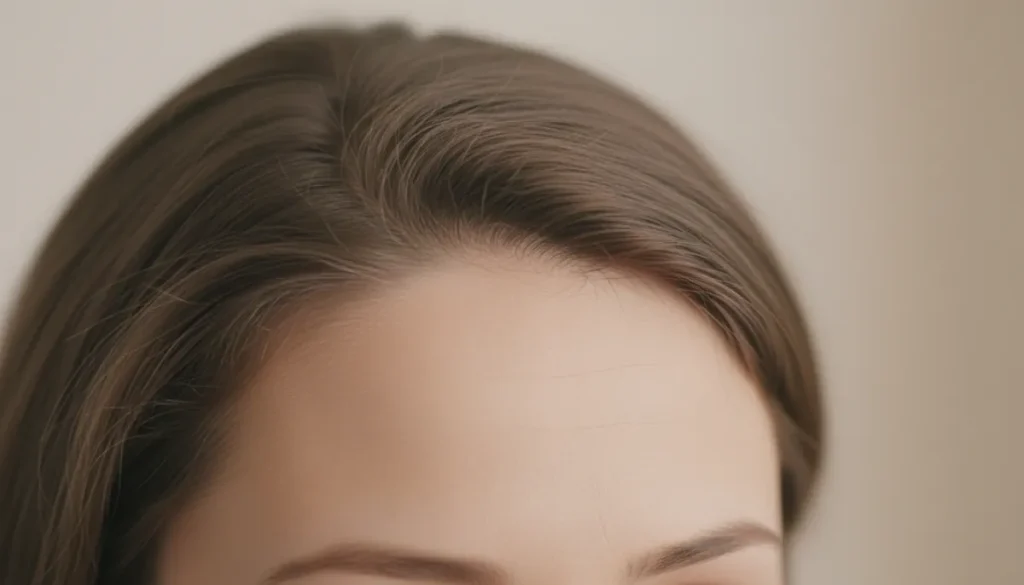
The earliest manifestation of frontal alopecia often appears as a gradual thinning along the hairline, especially around the temples. Unlike general hair shedding, this thinning is localized and may be accompanied by a noticeable change in the shape of the forehead.
Key visual cues include:
- Widening of the frontal hairline by more than 1 cm over several months.
- Increased visibility of the scalp at the hairline, especially when hair is pulled back.
- Presence of fine, short hairs (vellus hairs) replacing thicker terminal hairs.
- Occasional small, round bald patches that coalesce over time.
Patients often report that the hair loss feels “patchy” rather than uniform, and they may notice that the condition progresses faster on one side of the head. It is also common for individuals to experience mild itching or a tingling sensation in the affected area, although these sensations are not universal.
Understanding these early signs enables timely consultation with a specialist, which can halt or even reverse the progression through targeted therapies.
Common Causes and Risk Factors
Frontal alopecia is a multifactorial condition. While the exact cause can vary from person to person, several recurring contributors have been identified in clinical research.
Hormonal Influences
Elevated levels of dihydrotestosterone (DHT) can shrink hair follicles in the frontal scalp, a process commonly associated with androgenetic alopecia. This hormonal effect is not limited to men; women with hormonal imbalances may also experience frontal thinning.
Genetic Predisposition
A family history of hair loss, particularly patterns that affect the front of the scalp, increases the likelihood of developing frontal alopecia. Specific gene variants linked to follicle miniaturization have been isolated in recent studies.
Inflammatory Conditions
Autoimmune disorders such as frontal fibrosing alopecia—a variant of lichen planopilaris—target the frontal hairline, causing scarring and permanent loss if untreated.
External Factors
Repeated tension from tight hairstyles (traction alopecia) and chronic exposure to harsh chemicals or heat can damage follicles in the frontal region. Lifestyle factors like smoking and poor nutrition also exacerbate follicular vulnerability.
| Factor | Impact on Frontal Hairline |
|---|---|
| DHT Hormone | Follicle miniaturization, progressive thinning |
| Genetic Susceptibility | Early onset, familial pattern |
| Autoimmune Inflammation | Scarring, irreversible loss if not managed |
| Traction & Chemicals | Mechanical damage, temporary or permanent thinning |
Identifying the underlying cause is essential for selecting the most effective treatment plan.
How Frontal Alopecia Differs from Other Types of Hair Loss
Understanding the distinction between frontal alopecia and other hair‑loss conditions helps patients and clinicians choose appropriate interventions.
Male Pattern Baldness (Androgenetic Alopecia)
Male pattern baldness typically begins with a receding hairline at the temples and a thinning crown, progressing to a characteristic “M” shape. While it shares the DHT pathway with frontal alopecia, the pattern of loss is more diffuse across the top of the scalp.
Female Pattern Baldness
Women often experience diffuse thinning over the entire scalp, with the frontal hairline remaining relatively intact until later stages. Hormonal fluctuations, especially during menopause, are a major driver.
Traction Alopecia
This form results from chronic pulling forces, such as tight ponytails or braids, leading to localized breakage and follicle damage, usually along the hairline but not necessarily confined to the frontal region.
Frontal Fibrosing Alopecia
A scarring alopecia that specifically targets the frontotemporal hairline, often accompanied by inflammation, redness, and loss of eyebrows. Unlike non‑scarring frontal alopecia, this condition requires immunomodulatory therapy.
By comparing these patterns, patients can better communicate their symptoms and receive a diagnosis that reflects the true nature of their hair loss.
Diagnostic Approaches and When to Seek Help
Early consultation with a qualified dermatologist or hair‑restoration specialist is recommended when you notice any of the following:
- Rapid widening of the frontal hairline over weeks or months.
- Persistent itching, redness, or scaling at the hairline.
- Family history of early‑onset hair loss.
- Associated symptoms such as hormonal changes or autoimmune markers.
Diagnostic tools commonly employed include:
- Trichoscopy: A dermatoscopic examination that visualizes follicle health, miniaturization, and inflammation.
- Scalp biopsy: Reserved for suspected scarring alopecias to assess tissue architecture.
- Blood tests: Hormone panels (testosterone, DHT), thyroid function, and autoimmune markers.
- Phototrichogram: Quantifies hair density and growth rates over time.
These assessments enable clinicians to differentiate frontal alopecia from other conditions and to tailor a treatment plan that addresses the root cause.
Treatment Options and Lifestyle Strategies
Effective management of frontal alopecia combines medical, procedural, and lifestyle interventions.
Topical and Oral Medications
Finasteride (oral) and minoxidil (topical) remain first‑line therapies for DHT‑related follicle miniaturization. Low‑dose oral minoxidil has also shown promise in stimulating frontal regrowth.
Platelet‑Rich Plasma (PRP) Therapy
PRP injections deliver concentrated growth factors directly to the affected follicles, promoting regeneration and increasing hair density. Multiple sessions are typically required for optimal results.
Hair Transplant Techniques
Follicular Unit Extraction (FUE) and the newer Follicular Unit Extraction with Robotic Assistance allow precise placement of grafts along the frontal hairline, creating a natural‑looking contour.
Lifestyle Adjustments
- Adopt a balanced diet rich in iron, zinc, and biotin.
- Reduce stress through mindfulness, yoga, or regular exercise.
- Avoid tight hairstyles and excessive heat styling.
- Quit smoking to improve scalp circulation.
Combining these strategies under the guidance of a specialist maximizes the chance of halting progression and achieving visible regrowth.
Why Choose Gold City Medical Center
Gold City Medical Center offers an integrative approach to hair health, combining state‑of‑the‑art diagnostics with personalized treatment plans. Our team of board‑certified dermatologists and hair‑restoration surgeons has extensive experience in managing frontal alopecia, from early detection to advanced surgical techniques. With a focus on patient comfort and evidence‑based outcomes, we provide a supportive environment where you can confidently address your hair‑loss concerns.
Ready to take control of your hair health? Contact Gold City Medical Center today for a comprehensive scalp evaluation and discover a tailored solution for your frontal alopecia symptoms.
Call us or fill out our online appointment form to schedule your first consultation.
FAQ
What are the early signs of frontal alopecia?
Early signs include gradual thinning of the frontal hairline, widening of the hairline by more than 1 cm, visible scalp, and fine vellus hairs replacing thicker hairs.
What causes frontal alopecia?
Frontal alopecia is multifactorial, with hormonal (DHT), genetic, autoimmune, and external factors such as traction and chemicals contributing.
How does frontal alopecia differ from male pattern baldness?
Frontal alopecia primarily affects the front hairline, while male pattern baldness shows a receding temples and diffuse thinning on the crown, forming an “M” shape.
When should I see a dermatologist for frontal alopecia?
Consult a dermatologist if the frontal hairline widens rapidly, you notice itching or scaling, have a family history of early hair loss, or experience hormonal or autoimmune symptoms.
What treatment options are available for frontal alopecia?
Treatments include topical minoxidil, oral finasteride or low‑dose oral minoxidil, PRP therapy, hair‑transplant surgery (FUE), and lifestyle changes like nutrition and stress reduction.





