The FUE transplant recovery timeline is a crucial roadmap for anyone considering follicular unit extraction hair restoration. Knowing what to expect after the procedure helps you manage discomfort, protect the grafts, and maximise the final results. Most patients wonder how long the healing process takes and when they will start to see visible growth. In fact, studies show that up to 85 % of grafts survive when proper after‑care is followed, underscoring the importance of a clear recovery plan.
This article walks you through each phase of healing, from the immediate post‑procedure days to the long‑term maturation of new hair. We’ll break down daily care tips, highlight common symptoms, and explain when you can safely resume normal activities. Whether you are a first‑time patient or returning for a touch‑up, understanding the timeline will empower you to achieve the best possible hair transplant results.
We’ll also share practical advice on nutrition, scalp hygiene, and lifestyle adjustments that can speed up the healing process. By the end of this guide, you’ll have a complete picture of the recovery journey and know exactly how to support your new grafts every step of the way.
Day‑by‑Day Overview of the First Two Weeks
Day 0‑2: Immediate Post‑Procedure Care
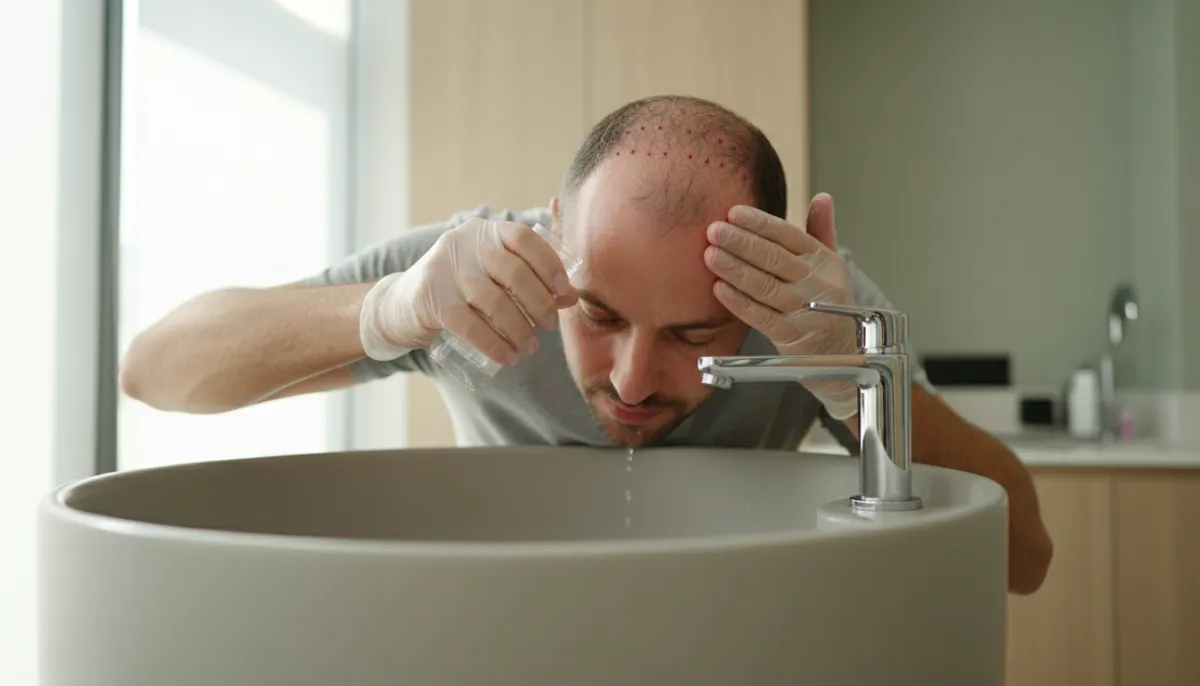
During the first 24‑48 hours after your FUE transplant, the scalp is covered with tiny scabs that protect the newly placed grafts. Keep the area clean by gently rinsing with a mild saline solution as instructed by your surgeon. Avoid touching or scratching the scalp, and wear a loose‑fitting hat if you must be outdoors.
Day 3‑7: Early Healing Phase
Swelling typically subsides by day 3, and most patients experience mild redness. This is normal and should not be confused with infection. Continue to avoid strenuous activity, especially heavy lifting, which can increase blood pressure to the scalp.
Day 8‑14: Scalp Stabilisation
By the end of the second week, the scabs begin to fall off naturally, revealing tiny white hairs—these are the newly transplanted follicles. It is essential to keep the area moisturised and protected from direct sunlight.
- Do: Apply the prescribed topical ointment twice daily.
- Don’t: Use harsh shampoos or exfoliating scrubs.
- Do: Sleep with the head elevated for the first few nights.
- Don’t: Wear tight helmets or headgear.
| Symptom | Typical Duration | When to Contact a Doctor |
|---|---|---|
| Scabbing | 7‑10 days | If scabs bleed heavily or persist beyond 14 days |
| Redness | 3‑5 days | If redness spreads or is accompanied by fever |
| Mild itching | Up to 2 weeks | If itching becomes intense or leads to scratching |
What to Expect in the First Month
Weeks 3‑4: New Graft Growth Begins
Around the third week, the transplanted follicles enter the anagen (growth) phase. You may notice fine, peach‑fuzz hairs emerging from the scalp—this is a positive sign that the grafts are taking root. The hair transplant recovery timeline at this stage often includes a brief shedding of these initial hairs, known as “shock loss,” which is completely normal.
During weeks 3 and 4, keep your scalp clean but avoid vigorous rubbing. Many patients report a slight tingling sensation as nerves regenerate. This is a good indicator that the scalp is healing properly.
- Do: Use a mild, sulfate‑free shampoo no more than twice a week.
- Don’t: Apply any styling products, such as gels or sprays.
- Do: Continue to protect the scalp from direct sunlight with a high‑SPF sunscreen.
- Don’t: Engage in contact sports or activities that cause excessive sweating.
| Week | Typical Milestone | Recommended Care |
|---|---|---|
| Week 3 | Initial hair shedding (shock loss) | Gentle scalp massage with fingertips only |
| Week 4 | First signs of new hair growth | Maintain moisturizing regimen |
Mid‑Term Recovery: 2 to 3 Months
Month 2: Shedding Phase
Between the sixth and eighth weeks, many patients experience a second round of shedding. This occurs as the transplanted hairs enter a resting phase before entering a robust growth cycle. Although it can be unsettling, this phase is a normal part of the hair transplant recovery timeline and usually lasts a few weeks.
Month 3: Early Results
By the third month, approximately 30‑40 % of the final hair density becomes visible. The new hairs are thicker and more pigmented, giving a realistic appearance. At this point, you can start to assess the overall success of the procedure and discuss any desired adjustments with your surgeon.
- Do: Keep a photo diary to track progress.
- Don’t: Expect full coverage; patience is key.
- Do: Continue a balanced diet rich in protein, iron, and vitamins.
- Don’t: Resume high‑impact sports until cleared by your physician.
| Month | Typical Observation | Action |
|---|---|---|
| Month 2 | Second shedding episode | Maintain gentle scalp care; avoid panic |
| Month 3 | Visible hair growth (30‑40 % density) | Document results and schedule follow‑up |
Long‑Term Healing: 6 to 12 Months
Month 6: Significant Density
Six months post‑procedure, most patients achieve 60‑70 % of their final hair coverage. The strands have matured, and the scalp looks natural. Minor adjustments, such as fine‑tuning the hairline, can be discussed at this stage if needed.
Month 12: Full Maturation
By the one‑year mark, the grafts have fully integrated, and the hair reaches its final thickness and colour. The hair transplant recovery timeline is now complete, and patients can enjoy a permanent, natural‑looking result. Long‑term maintenance includes regular check‑ups and a healthy lifestyle to preserve hair health.
- Do: Schedule an annual follow‑up with your clinic.
- Don’t: Neglect scalp health; continue gentle cleansing.
- Do: Protect hair from excessive heat and harsh chemicals.
- Don’t: Assume the results are set in stone; monitor for any unexpected changes.
| Time Post‑Op | Typical Hair Coverage | Key Care Recommendations |
|---|---|---|
| 6 Months | 60‑70 % of final density | Maintain scalp hygiene; consider minor touch‑ups |
| 12 Months | Full maturation | Annual check‑ups; healthy diet and lifestyle |
Tips for Optimising Your Recovery
- Stay hydrated; water supports tissue regeneration.
- Consume protein‑rich foods such as lean meats, legumes, and nuts.
- Avoid smoking and excessive alcohol, both of which impair blood flow.
- Use a silk pillowcase to reduce friction while sleeping.
- Follow all medication instructions, especially any prescribed anti‑inflammatories.
- Protect your scalp from UV exposure for at least six months.
Adhering to these guidelines can shorten the hair transplant healing time and enhance the overall outcome. Remember that each individual’s timeline may vary slightly, but consistent care is the common denominator for successful results.
Why Choose Gold City Medical Center
Gold City Medical Center combines cutting‑edge technology with a holistic approach to hair restoration. Our team of experienced surgeons specialises in FUE procedures, ensuring precise graft placement and minimal downtime. We prioritise patient comfort, offering personalised after‑care plans that align with your lifestyle and recovery goals. Trust us to guide you through every step of the hair transplant recovery timeline, delivering natural, lasting results.
Ready to start your journey toward fuller, healthier hair? Contact Gold City Medical Center today to schedule a personalized consultation and learn how our expert team can support your recovery every step of the way.
FAQ
What is the typical recovery timeline after an FUE hair transplant?
Recovery after an FUE transplant occurs in stages: the first two weeks involve scabbing and swelling, weeks 3‑4 show early hair growth, months 2‑3 may include shedding, and full results appear by 12 months.
How should I care for my scalp during the first week post‑FUE?
Keep the scalp clean with a mild saline rinse, avoid touching or scratching, wear a loose hat outdoors, and apply the prescribed ointment twice daily.
What is “shock loss” and when does it occur?
Shock loss is a temporary shedding of transplanted hairs that usually happens around weeks 3‑4 after the procedure.
When can I expect to see visible hair growth after an FUE transplant?
Visible new hair typically appears around week 3‑4, with noticeable density improvements by month 3 and full results by 12 months.
Are there any activities I should avoid during the recovery period?
Yes—avoid heavy lifting, strenuous exercise, contact sports, tight headgear, and excessive sweating for the first few weeks.
How long does it take for the final results to be visible?
Full, permanent results are usually visible between 10‑12 months after the FUE procedure.
What nutrition and lifestyle tips can speed up healing?
Consume protein‑rich foods, stay hydrated, avoid smoking and excess alcohol, protect the scalp from UV, and get adequate sleep.
When should I contact my doctor about post‑operative symptoms?
Contact your surgeon if scabs bleed heavily, redness spreads with fever, itching becomes intense, or any symptom persists beyond the typical duration.





