When it comes to achieving healthy, resilient hair, knowing the hair follicle stages is essential. This article walks you through the complete cycle of hair growth, explains why each stage matters, and shows how modern treatments can support each phase. Did you know that each strand on your scalp cycles through growth and rest about every 2–6 years? This natural rhythm determines not only the length of your hair but also its thickness and overall health.
We’ll start by outlining the fundamental phases of the hair growth cycle, then dive deeper into the biology of each stage. Next, we’ll explore the internal and external factors that influence follicle health, common concerns that signal an imbalance, and finally, the professional solutions available at Gold City Medical Center. Whether you’re noticing increased shedding or simply want to maintain a vibrant mane, understanding these processes empowers you to make informed decisions.
By the end of this guide, you’ll have a clear picture of how your hair grows, why certain conditions arise, and what steps you can take—both at home and with expert care—to keep your follicles thriving.
Understanding the Hair Growth Cycle
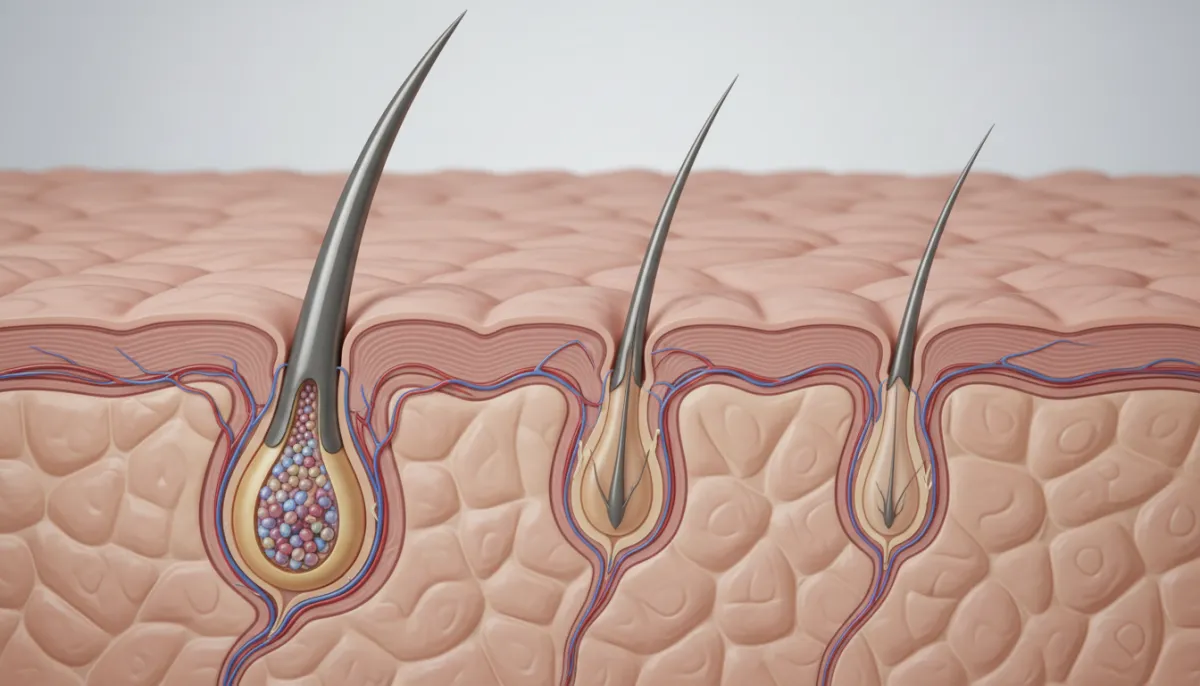
The hair growth cycle is a dynamic, self‑renewing process that repeats throughout a person’s life. It consists of three primary phases—anagen, catagen, and telogen—each playing a distinct role in the development of the hair follicle stages. Understanding these phases helps you recognize normal shedding patterns and identify when intervention might be needed.
The Three Main Phases
- Anagen (Growth Phase): Cells in the hair bulb divide rapidly, pushing the hair shaft upward. This phase can last 2–7 years, determining the maximum length of your hair.
- Catagen (Transition Phase): A short, 2–3 week period where growth stops, and the follicle shrinks, preparing for rest.
- Telogen (Resting Phase): Lasts about 3 months; the hair is fully formed but not actively growing. At the end of telogen, the hair is shed and a new anagen cycle begins.
These stages are not synchronized across all follicles; instead, they operate in a staggered fashion, ensuring that you rarely lose all hair at once. Below is a comparison of the three phases:
| Phase | Duration | Key Activities | Visible Signs |
|---|---|---|---|
| Anagen | 2–7 years | Cell proliferation, shaft elongation | Long, thick hair strands |
| Catagen | 2–3 weeks | Follicle regression, papilla detachment | Shortened, thinner shaft |
| Telogen | ≈3 months | Rest, preparation for shedding | Shedding of loose hair |
By recognizing the normal timeline of the hair follicle stages, you can better assess whether your shedding is within the expected range or if it signals an underlying issue.
Detailed Look at Each Hair Follicle Stage
While the three phases provide a framework, each hair follicle stage involves specific cellular events and structures that influence overall hair health. Let’s examine the anatomy and biology that define anagen, catagen, and telogen.
Anagen – The Growth Engine
During anagen, the hair bulb at the base of the follicle houses the dermal papilla, a cluster of specialized fibroblasts that supply nutrients and growth signals. Stem cells in the bulge region activate, producing keratinocytes that form the hair shaft. The length of the anagen stage varies by body area—scalp follicles enjoy the longest duration, while eyebrow follicles have a much shorter growth period.
Key factors that prolong anagen include adequate blood flow, sufficient protein intake, and optimal levels of hormones such as testosterone and estrogen. Disruptions—like chronic stress or nutritional deficiencies—can prematurely shift follicles into catagen, shortening the growth window.
Catagen – The Transitional Pause
Catagen marks a controlled regression. The lower part of the follicle involutes, and the dermal papilla detaches from the hair shaft. This phase is crucial for resetting the follicle’s microenvironment, allowing it to prepare for a new growth cycle. Apoptosis (programmed cell death) of certain matrix cells occurs, ensuring that damaged cells are cleared before the next anagen phase.
Because catagen is brief, most people are unaware of it. However, excessive or prolonged catagen can be a sign of hormonal imbalances, certain medications, or severe physical trauma.
Telogen – Rest and Renewal
In telogen, the follicle remains dormant while the hair shaft is fully keratinized and attached only at the root. Approximately 10–15% of scalp hairs are in telogen at any given time. When the next anagen signal arrives, the old hair is expelled—a process known as exogen—making way for a fresh strand.
Common triggers that push follicles into telogen include rapid weight loss, illness, and seasonal changes. Understanding this helps differentiate normal shedding from pathological hair loss.
Below is a quick reference of the hallmark characteristics of each stage:
- Anagen: Active cell division, longest duration, strongest shaft.
- Catagen: Follicle shrinkage, apoptosis, transition period.
- Telogen: Resting, hair shedding, preparation for new growth.
Factors Influencing Hair Follicle Development
Numerous internal and external factors can alter the timing and quality of the hair follicle stages. Recognizing these influences allows you to adopt lifestyle habits and treatments that support optimal follicle function.
Genetics and Hormones
Genetic predisposition determines the baseline number of follicles (approximately 100,000 on an average scalp) and their sensitivity to hormones. Androgens, particularly dihydrotestosterone (DHT), can shorten anagen and prolong telogen, leading to pattern hair loss in susceptible individuals.
Nutritional Elements
Proteins, iron, zinc, biotin, and omega‑3 fatty acids are essential for keratin production and follicle health. Deficiencies often manifest as diffuse thinning or increased shedding during telogen.
Age and Lifestyle
As we age, the proportion of follicles in anagen naturally declines, and the duration of each growth cycle shortens. Smoking, chronic stress, and insufficient sleep also impair blood flow to the scalp, reducing the nutrients delivered to the hair bulb.
Medical Conditions and Medications
Thyroid disorders, autoimmune diseases (e.g., alopecia areata), and certain medications (e.g., anticoagulants, retinoids) can disrupt the normal progression of the hair follicle stages, often pushing follicles into premature catagen or telogen.
Below is a concise checklist of factors that can impact each stage of the hair cycle:
- Genetic makeup – influences follicle density and DHT sensitivity.
- Hormonal balance – thyroid, sex hormones, and cortisol levels.
- Nutrition – adequate protein, iron, zinc, biotin, and essential fatty acids.
- Age – natural shortening of anagen with advancing years.
- Lifestyle – smoking, stress, sleep quality, and scalp hygiene.
- Medical health – chronic illnesses and medication side effects.
Common Concerns and When to Seek Professional Help
Many people notice changes in hair density or shedding patterns and wonder whether these are normal fluctuations of the hair follicle stages or signs of a deeper issue. Below are typical scenarios and guidance on when professional evaluation is advisable.
Excessive Shedding
If you lose more than 100 hairs per day consistently, it may indicate that a larger proportion of follicles are stuck in telogen. This can stem from stress, rapid weight loss, or hormonal shifts.
Patchy Thinning or Bald Spots
Localized hair loss often points to conditions like alopecia areata, where the immune system attacks the hair bulb, causing abrupt entry into catagen and telogen. Early intervention improves outcomes.
Gradual Thinning Across the Scalp
Diffuse thinning typically reflects a systemic influence—nutrient deficiency, chronic illness, or androgen‑related miniaturization. A thorough medical assessment can identify underlying causes.
When to consult a specialist:
| Symptom | Possible Cause | Recommended Action |
|---|---|---|
| Sudden increase in daily shedding | Stress, hormonal change, medication | Schedule a dermatology or trichology appointment |
| Patchy bald spots | Alopecia areata, fungal infection | Seek early evaluation for targeted therapy |
| Gradual thinning with visible scalp | Androgenic alopecia, nutritional deficiency | Request a comprehensive scalp analysis and lab work |
| Itchy, flaky scalp | Dermatitis, psoriasis | Consult for medicated scalp treatment |
Early detection and treatment can help restore the normal rhythm of the hair follicle stages, preventing permanent follicle miniaturization.
Treatment Options for Optimizing Hair Follicle Health
Modern medicine offers a range of interventions designed to support each hair follicle stage, promote a longer anagen phase, and reduce premature entry into catagen or telogen. Below are the most effective, evidence‑based options.
Medical Therapies
- Finasteride: An oral DHT blocker that helps extend anagen duration in androgen‑sensitive follicles.
- Minoxidil: A topical vasodilator that improves blood flow to the hair bulb, encouraging healthier growth cycles.
- Platelet‑Rich Plasma (PRP): Autologous injections that deliver growth factors directly to the papilla, stimulating the anagen phase.
Procedural Solutions
- Hair Transplant (FUE or FUT): Relocates robust donor follicles—typically in the occipital region—into thinning zones, ensuring a stable anagen source.
- Low‑Level Laser Therapy (LLLT): Uses red light wavelengths to enhance cellular metabolism within the follicle, supporting longer growth cycles.
- Scalp Microneedling: Creates micro‑injuries that trigger wound‑healing pathways, promoting the transition from telogen to anagen.
Lifestyle and Nutritional Support
Adjunctive measures such as a protein‑rich diet, supplementation with biotin and omega‑3 fatty acids, stress‑management techniques, and regular scalp massages can reinforce the natural progression of the hair follicle stages.
Below is a quick guide matching common concerns with appropriate interventions:
| Concern | Primary Treatment | Supporting Measures |
|---|---|---|
| Shortened anagen | Finasteride or PRP | Protein‑rich diet, scalp massage |
| Excessive telogen shedding | Minoxidil | Stress reduction, iron supplementation |
| Localized bald patches | Hair transplant (FUE) | Topical corticosteroids if inflammatory |
| Overall thinning | LLLT + PRP | Balanced nutrition, regular exercise |
Choosing the right combination depends on individual diagnosis, which is why a professional scalp analysis is the first step toward a tailored plan.
Why Choose Gold City Medical Center
Gold City Medical Center combines cutting‑edge technology with an integrative approach to hair health. Our team of certified dermatologists, trichologists, and transplant surgeons collaborates to create personalized treatment plans that respect the unique rhythm of each patient’s hair follicle stages. With a focus on safety, efficacy, and aesthetic excellence, we offer state‑of‑the‑art procedures such as FUE hair transplantation, PRP therapy, and low‑level laser treatment—all performed in a comfortable, confidential environment.
Our commitment to continuous education ensures that you receive the latest evidence‑based solutions, while our holistic services—including nutritional counseling and stress‑management programs—support overall well‑being, which is essential for optimal follicle function.
Ready to restore the natural rhythm of your hair growth? Contact Gold City Medical Center today to schedule a comprehensive scalp assessment and discover a personalized plan for healthier follicles.
Call us or fill out our online request form, and take the first step toward a fuller, more vibrant head of hair.
FAQ
What are the three main phases of the hair growth cycle?
The hair growth cycle consists of anagen (growth), catagen (transition), and telogen (resting) phases.
How long does the anagen phase last and what does it affect?
Anagen can last 2–7 years and determines the maximum length and thickness of hair.
What factors can push hair follicles into the telogen (resting) phase?
Stress, rapid weight loss, illness, hormonal changes, and certain medications can trigger telogen entry.
When should I seek professional help for excessive hair shedding?
If you lose more than 100 hairs per day consistently or notice sudden, diffuse shedding, consult a specialist.
How do genetics and hormones influence hair follicle stages?
Genetics set baseline follicle density and DHT sensitivity; hormones can shorten anagen and extend telogen, leading to pattern loss.
What treatments does Gold City Medical Center offer for hair follicle health?
Gold City Medical Center provides PRP therapy, topical minoxidil, nutritional counseling, and customized hormone‑balancing protocols.





