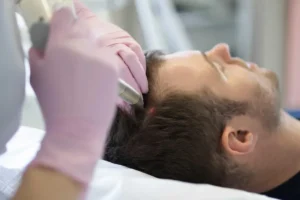
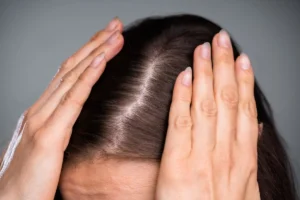
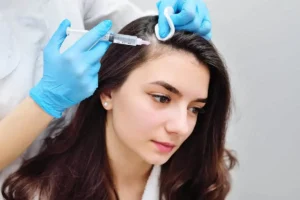
Many teenagers wonder why they are losing hair at 17 and what can be done about it. Early hair loss can feel alarming, especially when peers are still growing a full head of hair. This article explains the most common reasons for teenage hair loss, how professionals diagnose the condition, and which treatment paths are both safe and effective for young adults.
According to recent dermatological surveys, up to 15% of adolescents notice noticeable thinning before they finish high school. While genetics play a major role, lifestyle factors, hormonal changes, and certain medical conditions can accelerate the process. Understanding the underlying cause is essential for selecting the right treatment and preventing further loss.
We will explore the science behind hair follicles, review practical steps you can take today, and outline when professional intervention—such as a consultation at Gold City Medical Center—becomes the best option. By the end of this guide, you’ll have a clear roadmap for addressing hair loss at 17 and restoring confidence in your appearance.
Common Causes of Hair Loss in Teens
Teenage hair loss is rarely due to a single factor. Instead, a combination of genetics, hormones, and external influences often contributes to the problem. Below are the most frequently observed causes among adolescents who are losing hair at 17:
- Androgenetic alopecia – also known as male or female pattern baldness, this hereditary condition can begin during puberty when dihydrotestosterone (DHT) affects hair follicles.
- Alopecia areata – an autoimmune disorder that causes sudden, patchy hair loss and can affect both scalp and body hair.
- Hormonal fluctuations – puberty triggers rapid hormonal changes that may temporarily increase shedding.
- Stress and anxiety – chronic stress can push hair follicles into the telogen (resting) phase, leading to diffuse thinning.
- Nutritional deficiencies – lack of iron, zinc, biotin, or protein can weaken hair shafts and reduce growth.
- Traction alopecia – tight hairstyles such as braids, ponytails, or buns can pull on the scalp and cause localized loss.
- Medical conditions – thyroid disorders, severe acne treatments, and certain medications can also trigger shedding.
Identifying the exact cause often requires a thorough medical history and visual assessment. While some factors, like genetics, are unavoidable, many lifestyle-related triggers are modifiable, offering a realistic chance to slow or reverse the loss.

How to Diagnose Hair Loss at 17
Accurate diagnosis is the cornerstone of effective treatment. Dermatologists and hair specialists use a combination of visual inspection, medical history, and sometimes laboratory tests to pinpoint the underlying condition causing a teen to lose hair at 17.
Below is a quick reference table that outlines the typical signs, diagnostic tools, and treatment implications for the most common conditions:
| Condition | Key Signs | Diagnostic Tools | Typical Treatment |
|---|---|---|---|
| Androgenetic alopecia | Gradual thinning at temples and crown | Scalp examination, family history, dermoscopy | Topical minoxidil, oral finasteride (for males), lifestyle changes |
| Alopecia areata | Round, smooth bald patches | Dermoscopic patterns, blood tests for autoimmunity | Corticosteroid injections, topical immunotherapy |
| Telogen effluvium | Diffuse shedding across scalp | Pull test, recent stress or illness history | Stress management, nutritional support |
| Traction alopecia | Hair loss along hairline or behind ears | History of tight hairstyles, scalp tension assessment | Change hairstyle, gentle hair care, possible PRP therapy |
In some cases, a scalp biopsy or blood panel may be recommended to rule out systemic issues such as thyroid disease or iron deficiency. Early detection—especially before the hair follicles become permanently miniaturized—greatly improves the odds of successful regrowth.
Effective Treatment Options for Young Adults
When a teenager is losing hair at 17, treatment plans must balance efficacy with safety. Below are the most widely accepted options, ranging from non‑invasive to surgical interventions.
Topical and Oral Medications
- Minoxidil 5% – the only FDA‑approved topical solution for both men and women; stimulates follicular blood flow and prolongs the growth phase.
- Finasteride – oral 1 mg tablet for male patients; reduces DHT production but is not recommended for females of reproductive age.
- Low‑dose oral spironolactone – sometimes prescribed off‑label for teenage girls with hormonal hair loss.
Procedural Therapies
- Platelet‑rich plasma (PRP) injections – autologous blood plasma enriched with growth factors, injected into the scalp to promote healing and follicle revitalization.
- Low‑level laser therapy (LLLT) – handheld or helmet devices that emit red light to improve cellular metabolism in hair follicles.
- Hair transplant – follicular unit extraction (FUE) can be considered for stable pattern baldness once growth plates have matured; Gold City Medical Center offers advanced, minimally invasive techniques suitable for young adults.
Adjunctive Therapies
Supplements containing biotin, iron, zinc, and vitamin D can fill nutritional gaps, while stress‑reduction practices such as mindfulness, yoga, or regular exercise support overall hair health. It is essential to discuss any supplement regimen with a healthcare professional to avoid interactions.
Choosing the right combination often involves a trial period, close monitoring, and adjustments based on response. For teens, the goal is to halt further loss, encourage regrowth, and maintain a natural appearance.
Lifestyle Changes to Support Hair Health
Even with medical treatment, everyday habits play a crucial role in maintaining healthy hair. Below are practical adjustments that can complement clinical interventions for anyone losing hair at 17:
- Balanced diet – prioritize lean proteins, omega‑3 fatty acids, fruits, and vegetables to provide essential nutrients for follicle growth.
- Gentle hair care – avoid harsh shampoos, excessive heat styling, and tight accessories that cause traction.
- Regular exercise – improves circulation, which delivers oxygen and nutrients to the scalp.
- Adequate sleep – 7–9 hours per night supports hormonal balance and cellular repair.
- Stress management – incorporate meditation, deep‑breathing, or hobbies to lower cortisol levels that can trigger telogen effluvium.
- Avoid smoking and excessive alcohol – both can impair blood flow to the scalp and worsen thinning.
Consistency is key. Small, sustainable changes often yield better long‑term results than drastic, short‑term fixes. Tracking progress with photos every few weeks can help you see subtle improvements and stay motivated.
When to Seek Professional Help
If you notice any of the following signs, it’s time to schedule an appointment with a qualified specialist:
- Rapid or patchy hair loss that continues for more than three months.
- Visible scalp inflammation, redness, or itching.
- Accompanying symptoms such as unexplained weight changes, fatigue, or mood swings, which could indicate an underlying health issue.
- Family history of early‑onset androgenetic alopecia, especially if you see a similar pattern emerging.
- Previous attempts at over‑the‑counter remedies that have not halted the shedding.
Gold City Medical Center offers a comprehensive, integrative approach that combines dermatology, endocrinology, and aesthetic medicine. Our team conducts a detailed assessment, including scalp analysis, blood work, and personalized treatment planning, ensuring that each teen receives the most appropriate and safe care.
Why Choose Gold City Medical Center
At Gold City Medical Center, we specialize in integrative healthcare that blends medical expertise with advanced cosmetic solutions. Our dedicated hair‑restoration team uses state‑of‑the‑art technology, from PRP to minimally invasive FUE transplants, to address hair loss in young patients safely and effectively. We prioritize individualized care, transparent communication, and long‑term results, helping you regain confidence and a healthy scalp.
Ready to take control of your hair health? Contact Gold City Medical Center today to schedule a confidential consultation and discover a personalized plan that fits your lifestyle and goals.
Call us now or fill out our online form – your journey to fuller, stronger hair starts here.
FAQ
What are the most common reasons teens lose hair at age 17?
The main causes are androgenetic alopecia, alopecia areata, hormonal changes, stress, nutritional deficiencies, traction alopecia, and certain medical conditions.
How do doctors diagnose hair loss in a 17‑year‑old?
Diagnosis combines visual scalp examination, medical history, dermoscopy, and sometimes blood tests or a scalp biopsy.
What safe treatment options exist for teenagers losing hair at 17?
Topical minoxidil, low‑dose oral medications, PRP injections, low‑level laser therapy, and lifestyle changes are commonly used.
Can lifestyle changes improve hair health for a teen?
Yes, a balanced diet, gentle hair care, regular exercise, adequate sleep, and stress management can support hair growth.
When should a teen see a specialist for hair loss?
Seek professional help if shedding persists over three months, is patchy or rapid, or is accompanied by scalp irritation or other health symptoms.
Is hair transplantation an option for a 17‑year‑old?
Hair transplant can be considered for stable pattern baldness once growth plates have matured, typically after late teens.