Hair loss perimenopause is a common concern for many women as they transition toward menopause. During this phase, hormonal fluctuations can lead to noticeable thinning, prompting questions about the underlying causes and the best ways to address the issue. Understanding the connection between perimenopausal changes and hair health is essential for preventing long‑term damage and maintaining confidence.
Recent surveys indicate that up to 40 % of women report increased hair shedding during perimenopause, making it one of the most frequently cited symptoms alongside hot flashes and mood swings. While the experience varies from person to person, the pattern often involves diffuse thinning across the scalp rather than distinct bald patches.
This article will explore the physiological drivers of hair loss in perimenopause, help you recognize early warning signs, and present evidence‑based treatments and lifestyle adjustments. By the end, you’ll have a clear roadmap to manage thinning hair, protect follicles, and restore a fuller appearance.
What Causes Hair Loss in Perimenopause?
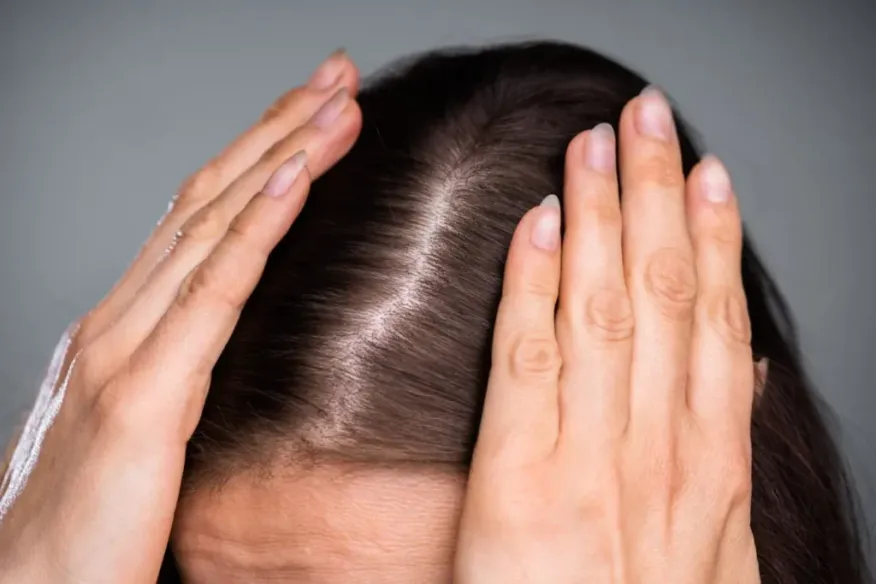
Hormonal fluctuations are the primary driver of hair loss perimenopause. As estrogen levels decline and progesterone becomes less dominant, the hair growth cycle shortens, pushing more follicles into the resting (telogen) phase. This shift leads to increased shedding and slower regrowth.
Additional factors that compound the problem include:
- Reduced levels of thyroid hormones, which can mimic the effects of estrogen deficiency.
- Elevated androgens, especially testosterone, which may cause follicles to miniaturize.
- Stress‑induced cortisol spikes that disrupt the normal hair cycle.
- Nutrient deficiencies (iron, zinc, biotin) that become more pronounced with age.
Other lifestyle influences, such as poor sleep, excessive styling heat, and harsh chemical treatments, can exacerbate thinning hair during this vulnerable period. Recognizing these contributors allows you to target them directly with both medical and natural interventions.
Recognizing the Signs of Thinning Hair
Identifying hair loss early can prevent further follicular damage. Typical signs of perimenopausal thinning include:
- Increased daily hair shedding (more than 100 strands on a pillow or in a brush).
- Visible widening of the part line or a thinner ponytail.
- Scalp feeling lighter or more exposed in certain areas.
- Changes in hair texture, such as a shift from thick to fine strands.
Below is a quick comparison to help differentiate normal shedding from perimenopause‑related thinning:
| Feature | Normal Shedding | Perimenopause‑Related Thinning |
|---|---|---|
| Amount of Hair Lost Daily | 50–100 strands | 150+ strands |
| Location | Evenly distributed | Often frontal or crown |
| Hair Texture | Unchanged | Becomes finer |
| Associated Symptoms | None | Hot flashes, mood swings |
When you notice these patterns, it’s advisable to schedule a scalp assessment. Early intervention can dramatically improve outcomes, especially when combined with targeted therapies.
Effective Treatments and Lifestyle Strategies
Multiple evidence‑based options exist to combat hair loss perimenopause. The most successful approach blends medical treatment with supportive lifestyle changes.
Medical Options
1. Hormone Replacement Therapy (HRT): Low‑dose estrogen can prolong the anagen (growth) phase, reducing shedding. Studies show that women on HRT experience a 30 % decrease in hair loss compared with untreated peers.
2. Topical Minoxidil: A 2 % or 5 % solution applied twice daily can stimulate follicular activity and is approved for female pattern thinning.
3. Iron and Vitamin Supplements: Correcting deficiencies in iron, zinc, and biotin supports keratin production and overall hair health.
Natural and Cosmetic Solutions
• Gentle Shampoo: Choose sulfate‑free formulas enriched with niacinamide and panthenol to soothe the scalp.
• Scalp Massage: Regular massage with essential oils (rosemary, peppermint) improves circulation and may enhance growth.
• Dietary Adjustments: Incorporate omega‑3 fatty acids, lean protein, and antioxidant‑rich foods to nourish follicles from within.
Combining these treatments often yields the best results, as they address both hormonal imbalances and external stressors.
Preventive Measures and Daily Care Tips
Prevention is a cornerstone of long‑term hair health during perimenopause. Incorporate the following habits into your daily routine:
- Limit Heat Styling: Reduce the use of flat irons and blow dryers to prevent shaft damage.
- Choose Soft Hair Ties: Avoid tight elastics that cause traction alopecia.
- Stay Hydrated: Adequate water intake supports scalp elasticity.
- Manage Stress: Practices such as yoga, meditation, or deep‑breathing lower cortisol, which can otherwise trigger telogen shedding.
- Regular Exercise: Improves circulation, delivering nutrients to hair follicles.
These steps, together with periodic scalp check‑ups, create a protective environment that minimizes the impact of hormonal shifts on hair density.
When to Seek Professional Help
If you experience rapid hair loss, noticeable bald patches, or scalp irritation that does not improve with home care, it is time to consult a specialist. A qualified practitioner can perform blood tests to assess hormone levels, iron status, and thyroid function, ensuring a precise diagnosis.
Professional interventions may include:
- Prescription‑strength topical agents (e.g., higher‑dose minoxidil).
- Customized HRT formulations tailored to your hormonal profile.
- Advanced procedures such as platelet‑rich plasma (PRP) therapy or hair transplantation for severe cases.
Early referral to an integrative clinic that understands both medical and aesthetic aspects can dramatically improve outcomes and preserve self‑esteem.
Why Choose Gold City Medical Center
Gold City Medical Center combines cutting‑edge medical expertise with a holistic approach to women’s health. Our team specializes in integrative treatments that address the root causes of hair loss perimenopause, offering personalized hormone therapy, advanced scalp diagnostics, and natural‑based hair care solutions. With a focus on safety, efficacy, and patient comfort, we help you regain confidence and achieve lasting hair health.
Ready to take control of your hair health? Contact Gold City Medical Center today for a personalized consultation and discover the most effective solutions for perimenopausal hair loss.
Call us or book an appointment online and start your journey toward thicker, healthier hair.
FAQ
What causes hair loss during perimenopause?
Hormonal fluctuations, especially declining estrogen and rising androgens, shorten the hair growth cycle and increase shedding.
How can I recognize early signs of thinning hair in perimenopause?
Look for increased daily shedding, widening part lines, finer texture, and scalp areas that feel lighter or more exposed.
Are hormone replacement therapy and minoxidil effective treatments for perimenopausal hair loss?
Yes, low‑dose HRT can extend the growth phase, and topical minoxidil stimulates follicular activity, both showing measurable improvements.
What natural remedies can help reduce hair shedding during perimenopause?
Gentle sulfate‑free shampoos, scalp massage with essential oils, and a diet rich in omega‑3s, protein, and antioxidants support hair health.
When should I consult a specialist for hair loss in perimenopause?
Seek professional help if you notice rapid loss, bald patches, or scalp irritation that doesn’t improve with home care.
How does stress affect hair loss during perimenopause and how can it be managed?
Stress raises cortisol, which can push hair follicles into the telogen phase; managing stress with yoga, meditation, or exercise helps reduce shedding.

