When hair loss injections steroids are considered, many patients wonder if this approach truly works for their specific type of alopecia. In this article we explain the science behind steroid injections, identify who benefits most, describe the step‑by‑step procedure, and discuss expected outcomes and possible side effects. Understanding these factors helps you decide whether this hair loss treatment aligns with your goals.
Hair loss affects up to 50 % of men and a significant proportion of women worldwide, with stress, genetics, and hormonal changes among the leading causes. While topical solutions and oral medications are common, injectable corticosteroids offer a targeted option for inflammatory forms of hair loss such as alopecia areata.
We will explore the role of steroid injections within a comprehensive hair restoration plan, compare them to other baldness therapy methods, and highlight why professional care at Gold City Medical Center ensures safety and optimal results.
Understanding Steroid Injections for Hair Loss
Injectable corticosteroids act by suppressing the immune response that attacks hair follicles in conditions like alopecia areata. By delivering the medication directly into the scalp, the treatment concentrates the anti‑inflammatory effect where it is needed most, reducing systemic exposure.
How Corticosteroids Work
- Immune modulation: Steroids inhibit T‑cell activity that leads to follicle inflammation.
- Follicle preservation: Reducing inflammation allows dormant follicles to re‑enter the growth phase.
- Rapid symptom relief: Patients often notice a decrease in redness and itching within weeks.
Common Types of Steroid Injections
| Medication | Typical Concentration | Duration of Effect |
|---|---|---|
| Triamcinolone acetonide | 10 mg/mL | 4‑6 weeks |
| Betamethasone dipropionate | 5 mg/mL | 3‑5 weeks |
| Methylprednisolone | 40 mg/mL | 5‑7 weeks |
These formulations are selected based on the severity of the condition, scalp sensitivity, and patient preference. While the primary focus is on alopecia areata, the technique can also support other hair thinning treatment strategies.
Who Benefits from Hair Loss Injections Steroids?
Not every type of hair loss responds to steroid injections. The most suitable candidates are individuals with inflammatory or autoimmune‑driven hair loss, particularly alopecia areata and certain cases of alopecia totalis. Below we outline the patient profiles that typically see the greatest improvement.
Ideal Candidates
- Patients diagnosed with alopecia areata (patchy hair loss)
- Individuals experiencing rapid hair loss accompanied by scalp inflammation
- People who have not responded adequately to topical minoxidil or oral finasteride
- Patients seeking a localized treatment with minimal systemic impact
When Steroid Injections May Not Be Recommended
- Pattern baldness (androgenetic alopecia) without an inflammatory component
- Scalp conditions such as severe psoriasis or active infection
- Pregnant or nursing women, unless specifically advised by a specialist
For men and women with hair loss treatment for women or hair loss treatment for men that stems from hormonal imbalance, other therapies like hair transplantation or platelet‑rich plasma may be more appropriate. Nevertheless, many patients combine steroid injections with these modalities for a synergistic effect.
The Procedure: What to Expect During Treatment
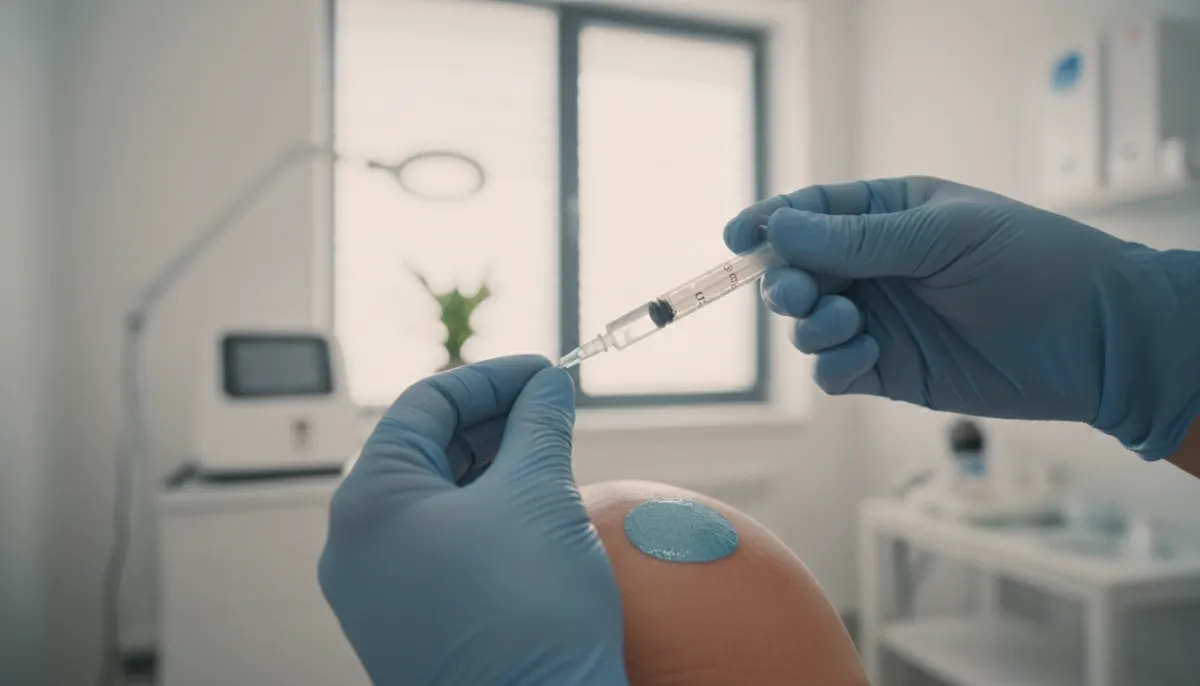
The administration of hair loss injections steroids is a straightforward outpatient process. Understanding each step helps reduce anxiety and ensures optimal results.
Pre‑Treatment Assessment
Before any injection, a dermatologist conducts a thorough scalp examination, often using a dermatoscope to identify active inflammation zones. A medical history review confirms that there are no contraindications such as uncontrolled diabetes or clotting disorders.
Injection Technique
- Skin is cleansed with an antiseptic solution.
- A fine‑gauge needle (typically 30‑32 G) is used to minimize discomfort.
- Small volumes (0.1‑0.2 mL) are injected into each affected area, spaced 1‑2 cm apart.
- After injection, a gentle massage distributes the medication evenly.
Post‑Procedure Care
- Avoid washing the scalp for 24 hours to allow absorption.
- Monitor for bruising or mild swelling, which usually resolves within a few days.
- Schedule follow‑up visits every 4‑6 weeks to assess progress and determine if additional injections are needed.
Typical treatment courses involve 3‑5 sessions, depending on the severity of the condition and the patient’s response. The goal is to achieve a stable remission of inflammation, allowing natural hair regrowth to resume.
Effectiveness, Risks, and Managing Side Effects
Clinical studies show that hair loss injections steroids can lead to visible regrowth in 60‑80 % of patients with alopecia areata after a series of treatments. However, results vary based on individual factors such as age, disease duration, and immune response.
Success Rates
- Early‑stage alopecia: up to 85 % regrowth within 3‑4 months.
- Long‑standing patches: 50‑65 % improvement, often requiring adjunctive therapies.
- Combination with oral immunosuppressants can boost outcomes for resistant cases.
Potential Side Effects
| Side Effect | Incidence | Management |
|---|---|---|
| Local bruising | Common | Cold compress for 15 min post‑procedure |
| Skin atrophy | Rare | Limit injection depth and frequency |
| Temporary hair shedding | Occasional | Reassure patient; regrowth typically resumes |
Minimizing Risks
Choosing an experienced specialist, such as those at Gold City Medical Center, reduces the likelihood of complications. Proper injection technique, appropriate steroid selection, and individualized treatment intervals are key components of a safe protocol.
Combining Steroid Injections with Other Hair Restoration Options
For many patients, a multimodal approach yields the most durable results. Steroid injections can be integrated with treatments such as platelet‑rich plasma (PRP), low‑level laser therapy, and surgical hair transplantation.
Adjunctive Therapies
- PRP therapy: Enhances follicle vitality by delivering growth factors.
- Low‑level laser devices: Stimulate cellular metabolism and improve blood flow.
- Hair transplant surgery: Provides permanent coverage for areas where follicles are permanently lost.
Strategic Treatment Planning
A typical protocol might begin with a series of steroid injections to quell inflammation, followed by PRP sessions to strengthen the newly active follicles. Once stable regrowth is observed, a hair transplant can be performed to fill any residual bald spots, ensuring a natural density.
By coordinating these modalities, patients often experience faster and more comprehensive hair restoration compared with a single‑method approach.
Why Choose Gold City Medical Center
Gold City Medical Center combines integrative medical expertise with cutting‑edge cosmetic solutions. Our team of board‑certified dermatologists and hair restoration specialists has extensive experience in administering hair loss injections steroids safely and effectively. We prioritize personalized care, using advanced diagnostic tools to tailor each treatment plan to the individual’s unique scalp condition. With a reputation for meticulous technique and compassionate patient support, Gold City Medical Center is a trusted partner for those seeking lasting hair health.
Ready to regain confidence with healthier hair? Contact Gold City Medical Center today to schedule a comprehensive scalp assessment and discover if steroid injections are right for you. Our experts are here to guide you toward a personalized, results‑driven solution.
FAQ
How do steroid injections treat alopecia areata?
Steroid injections suppress the immune response that attacks hair follicles, reducing inflammation and allowing follicles to re‑enter the growth phase.
What is the typical procedure for hair loss steroid injections?
The procedure involves a pre‑assessment, cleansing the scalp, injecting small volumes of steroid with a fine needle, and post‑care instructions.
Who is an ideal candidate for hair loss injections steroids?
Patients with inflammatory or autoimmune‑driven hair loss, especially alopecia areata or alopecia totalis, are ideal candidates.
What are the common side effects of steroid injections for hair loss?
Typical side effects include local bruising, occasional temporary hair shedding, and rare skin atrophy.
How many treatment sessions are usually required for effective results?
Most protocols involve 3‑5 injection sessions spaced 4‑6 weeks apart.
Can steroid injections be combined with other hair restoration methods?
Yes, they are often combined with PRP, low‑level laser therapy, and hair transplantation for synergistic effects.
How does Gold City Medical Center ensure safety during steroid injections?
The center uses board‑certified dermatologists, precise injection techniques, and individualized treatment plans to minimize risks.





