When it comes to addressing male pattern baldness, hair plugs for men have emerged as a compelling option that blends the precision of modern technology with a relatively quick recovery. This article explores the full scope of the hair plug procedure, from how it differs from classic hair transplant methods to the aftercare required for lasting results. Whether you’re considering a subtle density boost or a full‑coverage restoration, understanding the process will help you make an informed decision.
Recent studies indicate that up to 40 % of men experience noticeable thinning by age 35, prompting many to seek effective solutions early. Hair plug techniques can provide natural‑looking coverage with fewer grafts than traditional methods, often at a lower cost. In the sections below, we’ll break down the science, the step‑by‑step experience, the pros and cons, and the long‑term maintenance you’ll need to keep your new hairline thriving.
By the end of this guide, you’ll know exactly what to expect, how to evaluate a clinic, and why Gold City Medical Center stands out as a trusted provider for this advanced hair restoration service.
Understanding Hair Plugs: How They Differ from Traditional Hair Transplant Techniques
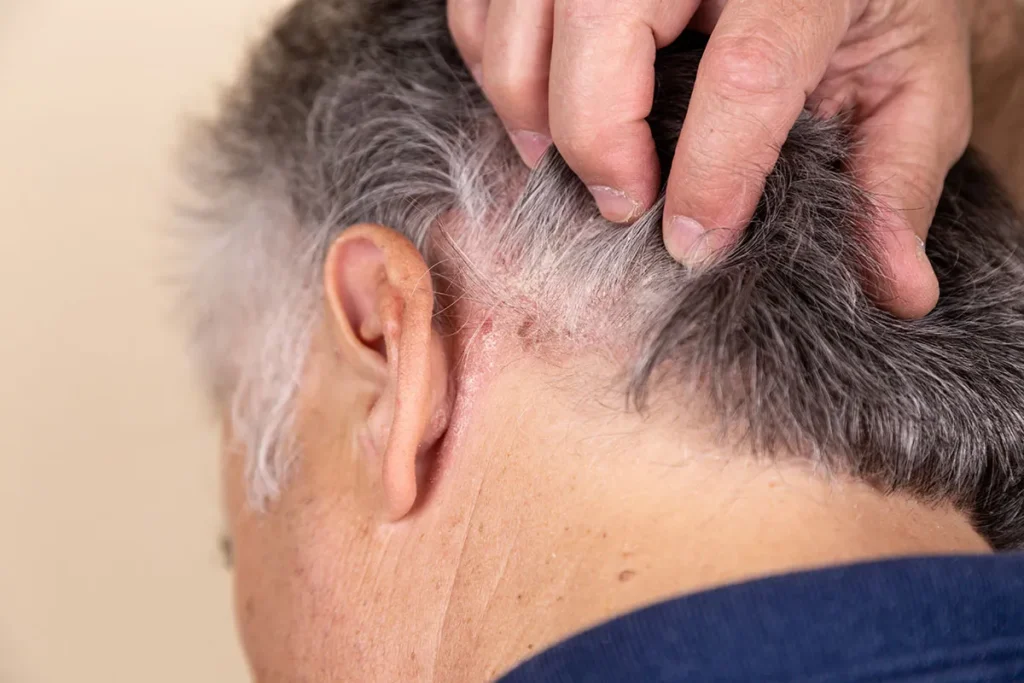
Hair plugs were once the standard approach for restoring hair, involving the removal of small “plugs” of donor tissue and implanting them into balding areas. Modern hair plug methods have refined this concept, using micro‑grafts that contain only a few follicles each, which allows for a more natural distribution and less visible scarring compared with older punch‑style transplants.
Key differences include:
- Graft Size: Contemporary plugs range from 0.5 mm to 1 mm, whereas classic plugs were often 4 mm or larger.
- Placement Precision: Advanced imaging and robotic assistance enable clinicians to map the scalp and place each graft at the optimal angle.
- Healing Time: Smaller grafts mean quicker epithelialization and reduced downtime.
While hair transplant remains a broad term encompassing various techniques, hair plugs are a specific subset that focuses on dense, localized graft placement. They are often combined with follicular unit extraction (FUE) to maximize donor site preservation and improve overall aesthetic outcomes.
Below is a quick comparison of traditional strip harvesting versus modern hair plug methods:
| Feature | Strip Harvest (FUT) | Modern Hair Plug (FUE‑Based) |
|---|---|---|
| Incision Size | Linear scar, 1–2 cm | Multiple 0.8–1 mm punctures |
| Graft Density | Higher per session | Lower per session, but more natural |
| Recovery Time | 7–10 days | 3–5 days |
| Scarring Visibility | Visible linear scar | Minimal, dot‑like scars |
The Procedure Step-by-Step: What Men Can Expect During a Hair Plug Session
Understanding the workflow helps reduce anxiety and prepares you for each stage. A typical hair plug appointment at Gold City Medical Center follows these phases:
- Consultation & Planning: The surgeon evaluates your donor area, discusses goals, and creates a customized graft map.
- Anesthesia: Local anesthesia is administered to the donor and recipient zones, ensuring comfort throughout the process.
- Graft Extraction: Using a fine‑tip FUE device, individual follicular units are harvested—usually 1,000 to 2,500 grafts depending on the desired coverage.
- Plug Creation: Each graft is trimmed to the appropriate size for plug placement, typically containing 1–3 hairs per plug.
- Implantation: Micro‑incisions are made in the balding area, and the plugs are carefully inserted at the correct angle and depth.
- Post‑Procedure Care: A light dressing is applied, and the patient receives detailed aftercare instructions.
While the entire session can last between 4 and 8 hours, many patients report feeling only mild pressure. The use of FUE technology minimizes trauma to surrounding tissue, which translates into a smoother healing curve.
Key considerations during the session:
- Graft Survival Rate: Proper handling and rapid implantation keep survival rates above 90 %.
- Density Planning: Surgeons aim for a natural look by spacing plugs to mimic the scalp’s native hair pattern.
- Patient Comfort: Real‑time monitoring ensures the anesthesia remains effective.
Benefits and Limitations: Is a Hair Plug the Right Choice for You?
Choosing the appropriate restoration method hinges on personal goals, budget, and hair characteristics. Hair plugs offer several distinct advantages:
- Natural Appearance: Small grafts blend seamlessly with existing hair, reducing the “pluggy” look of older techniques.
- Minimal Scarring: Dot‑like scars are virtually invisible, even with short hairstyles.
- Flexibility: Plugs can be added in future sessions to increase density as needed.
However, there are limitations to consider:
- Session Length: Achieving extensive coverage may require multiple appointments.
- Cost: While often cheaper per graft than strip harvesting, the cumulative cost can rise with additional sessions.
- Donor Supply: Men with limited donor hair may not achieve desired density solely with plugs.
When evaluating cost, keep in mind that the price of hair plugs varies by clinic, surgeon experience, and the number of grafts required. At Gold City Medical Center, transparent pricing and personalized plans help you understand the total investment before any procedure begins.
Aftercare and Long-Term Results: Maintaining Your New Hairline
Successful outcomes depend as much on post‑procedure care as on the surgical technique. The first week is critical for graft stability, while the months that follow determine the final aesthetic.
Essential aftercare steps include:
- Gentle Cleansing: Use a mild, sulfate‑free shampoo starting 48 hours post‑procedure, avoiding vigorous rubbing.
- Medication: Follow prescribed anti‑inflammatory and antibiotic regimens to reduce swelling and infection risk.
- Avoidance of Physical Stress: Refrain from heavy exercise, sauna use, or direct sun exposure for at least two weeks.
- Nutrition: A diet rich in proteins, vitamins A, C, D, and biotin supports follicle health.
Hair growth typically follows this timeline:
| Weeks Post‑Procedure | What to Expect |
|---|---|
| 1‑2 | Scabs fall off; grafts remain anchored. |
| 3‑4 | Shedding of transplanted hairs (normal). |
| 8‑12 | New hair shafts emerge; early density visible. |
| 6‑12 months | Full maturation; final thickness achieved. |
Long‑term maintenance may involve occasional touch‑up sessions, especially if you continue to lose native hair. Regular check‑ups with your specialist ensure that any new thinning is addressed promptly.
Choosing the Right Clinic: Key Factors to Evaluate
Not all clinics deliver the same level of expertise. When selecting a provider for hair plugs for men, consider the following criteria:
- Surgeon Credentials: Board certification in dermatology or plastic surgery and specific training in FUE‑based plug techniques.
- Experience Volume: Clinics performing a high number of procedures annually tend to have refined protocols and better outcomes.
- Facility Standards: Accredited surgical suites, sterile environments, and state‑of‑the‑art imaging tools.
- Patient Portfolio: Before‑and‑after galleries that showcase realistic, natural results.
- Transparent Pricing: Clear breakdown of costs per graft, anesthesia, and any ancillary services.
Gold City Medical Center meets each of these benchmarks, offering a comprehensive, integrative approach that combines medical expertise with aesthetic precision. Our team’s commitment to individualized care ensures that every patient receives a treatment plan tailored to his unique hair pattern and lifestyle.
Why Choose Gold City Medical Center
Gold City Medical Center integrates cutting‑edge hair restoration technology with a holistic view of patient wellness. Our specialists are trained in the latest FUE and hair plug methodologies, delivering natural‑looking results with minimal downtime. We prioritize safety, transparency, and personalized care, making us a trusted destination for men seeking effective, long‑lasting hair restoration.
Ready to restore your confidence with a modern hair plug solution? Contact Gold City Medical Center today to schedule a personalized consultation and discover a tailored plan that fits your goals and budget.
FAQ
What are hair plugs and how do they differ from traditional hair transplants?
Hair plugs are small micro‑grafts containing 1–3 hairs each, placed with precise angles, whereas traditional transplants often use larger grafts or strip harvesting.
What is the typical procedure timeline for a hair plug session?
A full hair plug session lasts 4–8 hours, followed by a few days of mild recovery and a structured aftercare schedule over several months.
What are the main benefits of choosing hair plugs over other methods?
Hair plugs offer natural appearance, minimal scarring, quick recovery, and flexibility for future density adjustments.
What are the potential limitations or drawbacks of hair plug treatments?
Limitations include longer overall treatment time, higher cumulative cost for multiple sessions, and dependence on donor hair availability.
How should I care for my scalp after a hair plug procedure?
Follow gentle cleansing, prescribed medication, avoid physical stress, and maintain a protein‑rich diet for optimal graft survival.
How can I choose the right clinic for hair plug treatments?
Evaluate surgeon credentials, procedure volume, facility standards, patient portfolio, and transparent pricing.





