Two weeks after a hair transplant, many patients wonder how their scalp should look and feel. Understanding the typical healing timeline helps you stay confident and avoid unnecessary anxiety. In this article we break down the visible signs, comfort measures, and safe activities you can resume during the hair transplant after 2 weeks stage.
Most modern procedures, such as FUE (Follicular Unit Extraction) and DHI (Direct Hair Implantation), are designed to minimize trauma, yet the scalp still needs time to settle. According to clinical observations, about 85 % of patients report noticeable improvement in redness and swelling by day 10, while the remaining 15 % may experience a slightly longer recovery due to individual factors.
Whether you are preparing for a follow‑up visit or simply curious about the next steps, this guide will provide clear, evidence‑based answers. We’ll cover everything from gentle washing techniques to the early signs that indicate proper graft integration, ensuring you can enjoy a smooth journey toward fuller hair.
What to Expect in the First Two Weeks
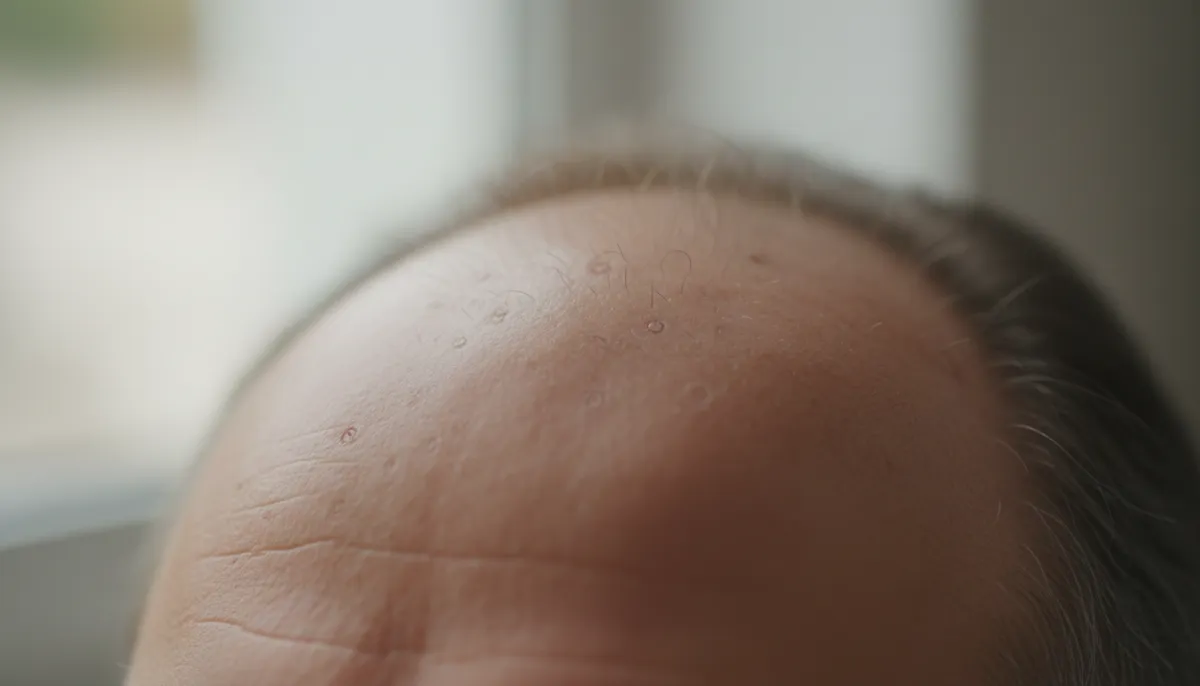
The initial fortnight after a hair transplant is crucial for graft survival. During this period, the transplanted follicles are establishing a connection with the surrounding tissue, a process known as “revascularization.” Most patients notice the following:
- Scalp redness that gradually fades.
- Minor crust formation around each graft, typically shedding by day 7‑10.
- Light swelling that subsides within 48‑72 hours.
- Temporary “shock loss” of existing hair near the donor area.
These symptoms are normal and usually resolve without intervention. However, it’s essential to differentiate them from warning signs such as excessive bleeding, pus, or intense pain, which may indicate infection.
Below is a concise timeline that outlines daily expectations from day 0 to day 14:
| Day | Typical Observation |
|---|---|
| 0‑2 | Bandage removal, mild redness, swelling. |
| 3‑5 | Crusts form, gentle itching begins. |
| 6‑10 | Crusts fall off, redness diminishes. |
| 11‑14 | Scalp looks calm, grafts start to anchor. |
Managing Scalp Care and Comfort
Proper after‑care during the hair transplant after 2 weeks stage reduces the risk of complications and promotes optimal graft uptake. Follow these guidelines to keep your scalp comfortable and clean.
Gentle Washing Technique
Begin washing your hair on day 2 with a mild, sulfate‑free shampoo. Use lukewarm water and avoid direct pressure on the graft sites. A recommended method:
- Wet the scalp gently, allowing water to flow over the transplanted area.
- Apply a small amount of shampoo, massaging with fingertips in a circular motion.
- Rinse thoroughly, ensuring no residue remains.
- Pat dry with a soft towel; do not rub.
Moisturizing and Sun Protection
After washing, apply a thin layer of a physician‑approved moisturizer to keep the skin supple. Protect the scalp from UV exposure by wearing a loose‑fitting hat or using a sunscreen with SPF 30 or higher when outdoors.
Below is a quick checklist for daily scalp maintenance:
- Wash with gentle shampoo – once daily.
- Avoid scratching or picking at scabs.
- Keep the head elevated while sleeping (2‑3 pillows).
- Stay hydrated and maintain a balanced diet rich in protein and vitamins.
Signs of Normal Healing vs. Complications
Distinguishing between typical post‑operative responses and potential problems is essential for a safe recovery. Below are the most common indicators of healthy healing compared with warning signs that require medical attention.
Normal Healing Indicators
- Gradual reduction of redness and swelling.
- Scabs that fall off without force.
- Mild itching that eases after day 7.
- Absence of foul odor or excessive discharge.
Complication Warning Signs
- Persistent bleeding beyond the first 24 hours.
- Swelling that worsens after day 3.
- Intense pain unrelieved by prescribed medication.
- Yellow or green pus, indicating infection.
- Fever above 38 °C (100.4 °F).
If any of the warning signs appear, contact your surgeon immediately. Early intervention can prevent graft loss and ensure a smoother long‑term outcome.
When to Resume Normal Activities and Styling
By the end of the second week, most patients are cleared to return to light daily activities. However, certain precautions remain important to protect the newly placed grafts.
Physical Exercise
Low‑impact activities such as walking or gentle yoga can be resumed after day 10, provided you avoid heavy sweating. High‑intensity workouts, weightlifting, and contact sports should be postponed for at least 4 weeks to prevent increased blood pressure on the scalp.
Hair Styling
It is safe to use a soft brush or wide‑tooth comb from day 12 onward, but avoid pulling or tugging. Chemical treatments (color, perm) should be delayed until at least 3 months post‑procedure, as the scalp remains sensitive.
Below is a quick guide on permissible actions during weeks 2‑4:
| Activity | Allowed After |
|---|---|
| Walking | Day 7 |
| Light jogging | Day 12 |
| Gym (no heavy lifting) | Day 14 |
| Haircut (scissor only) | Day 14 |
| Hair dye | Month 3 |
Overlooked Tips for Optimal Results
Even after the initial recovery phase, small habits can influence the final aesthetic outcome. Incorporate these often‑missed practices into your routine.
- Sleep on a satin pillowcase to reduce friction.
- Maintain a diet rich in omega‑3 fatty acids, zinc, and biotin.
- Limit alcohol consumption for the first month to avoid inflammation.
- Schedule a follow‑up visit at 2‑week intervals to monitor graft integration.
- Keep stress levels low; chronic stress can affect hair growth cycles.
Why Choose Gold City Medical Center
Gold City Medical Center combines cutting‑edge technology with a holistic approach to hair restoration. Our team of certified surgeons uses the latest FUE and DHI techniques to ensure minimal downtime and natural‑looking results. With a dedicated after‑care program, we guide you through every stage of recovery, including the critical hair transplant after 2 weeks period, to guarantee the best possible outcome.
Ready to start your journey toward fuller, natural hair? Contact Gold City Medical Center today to schedule a personalized consultation and discover how our expert team can support your recovery every step of the way.
FAQ
What should I expect during the first two weeks after a hair transplant?
You can expect mild redness, crust formation that falls off by day 7‑10, light swelling that subsides within 48‑72 hours, and possible temporary shock loss near the donor area.
How can I safely wash my scalp two weeks after a hair transplant?
Use a mild sulfate‑free shampoo, lukewarm water, and gentle fingertip motions; avoid rubbing or direct pressure on graft sites.
What are normal healing signs versus warning signs after a hair transplant?
Normal signs include fading redness, crusts falling off, mild itching, and no foul odor; warning signs are persistent bleeding, worsening swelling, intense pain, pus, or fever.
When can I resume exercise and normal activities after two weeks?
Light activities like walking can start after day 7, low‑impact exercise after day 10, but heavy workouts and contact sports should wait at least 4 weeks.
Can I style my hair or get a haircut two weeks after a hair transplant?
From day 12 you may use a soft brush or wide‑tooth comb, and a scissor‑only haircut is safe after day 14; avoid pulling, chemical treatments, and tight hairstyles.
What extra tips can improve the final results of my hair transplant?
Use a satin pillowcase, maintain a protein‑rich diet, limit alcohol, keep stress low, and attend scheduled follow‑up visits.





