When a patient seeks a hair transplant on bald spot, the goal is clear: restore a natural‑looking hairline and regain confidence. Bald spots can develop for many reasons, from genetics to hormonal changes, and they often become a source of self‑consciousness. In this article we explore the science behind the procedure, outline the steps involved, and discuss how to choose the right clinic.
According to recent studies, over 30 % of men and 15 % of women experience noticeable hair thinning by the age of 35, and many eventually consider surgical options. Understanding the process before you take the first step can dramatically improve satisfaction and outcomes.
We will cover the types of hair transplant techniques, what to expect during recovery, cost considerations, and complementary treatments that help maintain long‑term results. Whether you are contemplating a single session or a series of procedures, the information below will guide you through each stage of the journey.
Understanding Bald Spot Hair Loss and Transplant Options
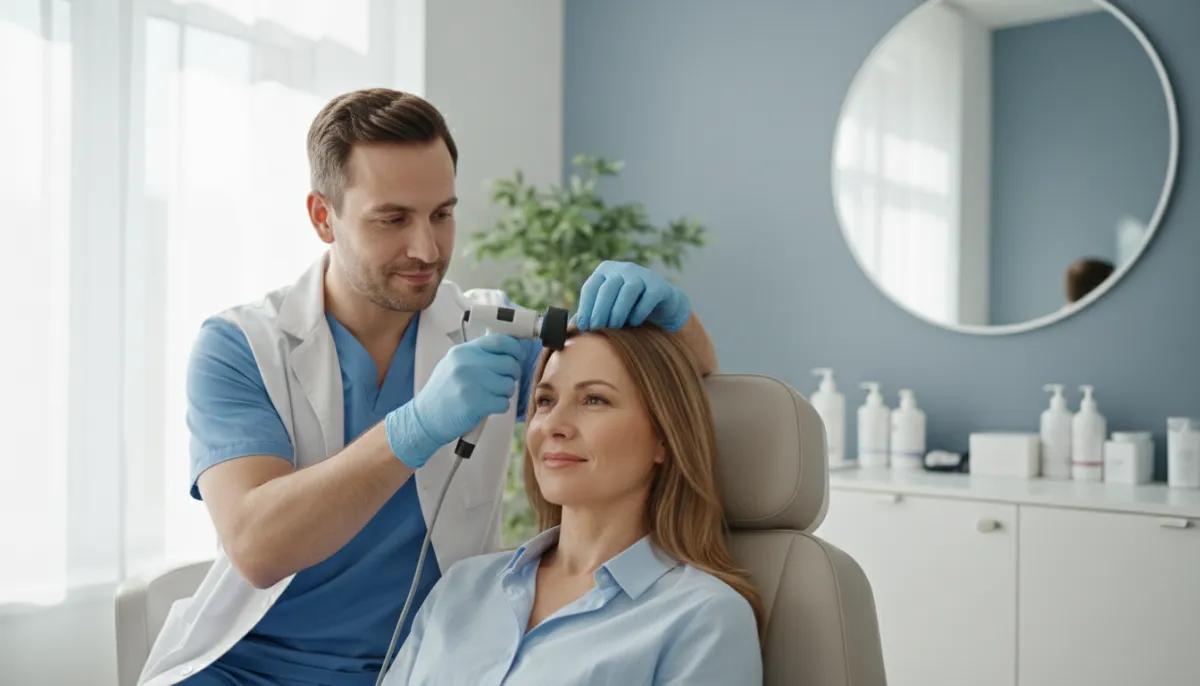
Before any surgical plan is drawn, it is essential to identify the cause of the bald spot. Common triggers include androgen‑dependent alopecia, scarring from injuries, and certain medical conditions. A thorough consultation with a qualified specialist will involve a scalp examination, medical history review, and sometimes a dermatoscopic analysis.
Once the diagnosis is clear, the most effective corrective method is often a hair transplant on bald spot. This procedure relocates healthy hair follicles from a donor area—typically the back of the head—to the thinning region. Two primary techniques dominate the field:
- Follicular Unit Extraction (FUE): Individual follicles are harvested using a micro‑punch tool, leaving minimal scarring.
- Follicular Unit Transplantation (FUT): A strip of scalp is removed, and follicles are dissected under a microscope before implantation.
Both methods aim to produce natural growth patterns, but the choice depends on factors such as donor density, scar tolerance, and personal preferences.
The Hair Transplant Procedure Explained
The surgical phase of a hair transplant on bald spot is performed under local anesthesia, ensuring the patient remains comfortable while staying fully awake. The process can be divided into three core steps:
1. Harvesting Donor Follicles
In FUE, a motorized device extracts follicles one by one. In FUT, a strip is excised and later divided. The extracted units, ranging from one to four hairs each, are meticulously counted and sorted.
2. Preparing the Recipient Site
The surgeon creates tiny incisions in the bald area, aligning them with the natural direction of existing hair. Precision is crucial; each slit must be appropriately angled to mimic natural growth.
3. Implantation
Follicles are placed into the prepared sites. The density of grafts per square centimeter influences the final appearance—higher density yields a fuller look but may require multiple sessions.
| Technique | Average Graft Yield | Typical Session Length | Scar Visibility |
|---|---|---|---|
| FUE | 1,500–2,500 | 6–8 hours | Minimal |
| FUT | 2,000–3,500 | 5–7 hours | Linear scar |
Choosing between FUE and FUT depends on individual scalp characteristics and the desired aesthetic outcome. A qualified surgeon will recommend the most suitable approach based on your unique profile.
Recovery, Aftercare, and Expected Results
Post‑operative care is a pivotal component of a successful hair transplant on bald spot. Most patients experience mild redness and crusting for the first few days, which typically resolve without intervention. Following the surgeon’s aftercare protocol helps minimize complications and promotes optimal graft survival.
Key aftercare steps include:
- Keeping the scalp clean with a gentle, prescribed shampoo.
- Avoiding direct sunlight and wearing a loose hat for the first two weeks.
- Refraining from strenuous activities that cause excessive sweating for at least ten days.
- Taking prescribed medications, such as anti‑inflammatory agents, to reduce swelling.
Hair growth follows a predictable timeline. Transplanted follicles enter a resting phase (telogen) for approximately three months, after which they shed and begin a new growth cycle. Visible new hair typically appears between four to six months, with full maturation around twelve to eighteen months.
Patients who maintain a healthy lifestyle—balanced nutrition, stress management, and avoidance of smoking—tend to experience better graft retention and overall density.
Choosing the Right Clinic and Managing Costs
Selecting a reputable facility is as important as the surgical technique itself. When evaluating clinics for a hair transplant on bald spot, consider the following criteria:
- Board‑certified surgeons with extensive experience in FUE and FUT.
- Transparent pricing that includes pre‑operative testing, the procedure, and post‑operative care.
- Patient testimonials and before‑after photo galleries that demonstrate realistic outcomes.
- Accreditation by recognized medical bodies and adherence to international safety standards.
Cost can vary widely based on the number of grafts required, the chosen technique, and geographic location. In the Netherlands, average prices range from €3 to €6 per graft, translating to a total of €4,500–€12,000 for typical bald spot corrections. Many clinics offer financing options or package deals that include follow‑up visits.
It is advisable to schedule a detailed consultation where the surgeon outlines a personalized plan, estimates the total graft count, and provides a clear cost breakdown. This transparency helps you set realistic expectations and avoid hidden expenses.
Complementary Treatments and Long‑Term Hair Maintenance
While a hair transplant on bald spot can deliver lasting density, supporting the new follicles with adjunct therapies enhances durability. Common complementary treatments include:
| Treatment | Purpose | Typical Regimen |
|---|---|---|
| Platelet‑Rich Plasma (PRP) | Stimulate graft survival | 3‑month intervals, 3‑4 sessions |
| Low‑Level Laser Therapy (LLLT) | Improve blood circulation | 2‑3 times weekly |
| Topical Minoxidil | Maintain existing hair | Twice daily |
Nutrition also plays a pivotal role. Vitamins such as Biotin, Vitamin D, and Zinc support hair health, while a diet rich in lean proteins, omega‑3 fatty acids, and antioxidants can further reinforce follicle vitality.
Regular follow‑up appointments allow the surgeon to monitor progress, address any concerns, and adjust maintenance protocols as needed. By combining surgical excellence with proactive aftercare, patients achieve the most natural and enduring results.
Why Choose Gold City Medical Center
Gold City Medical Center blends cutting‑edge technology with a patient‑focused approach, offering a comprehensive suite of integrative healthcare services. Our team of board‑certified hair restoration specialists has performed hundreds of successful transplants, delivering natural outcomes tailored to each individual’s aesthetic goals. With a commitment to safety, transparency, and ongoing support, we ensure that every step—from the initial consultation to long‑term maintenance—is handled with expertise and compassion.
Ready to transform your bald spot into a confident new look? Contact Gold City Medical Center today to schedule a personalized consultation and take the first step toward lasting hair restoration.
Call us or fill out the online form—our dedicated team is here to guide you every step of the way.
FAQ
What is a hair transplant on a bald spot?
It is a surgical procedure that moves healthy hair follicles from a donor area to a bald spot to restore natural hair growth.
How do FUE and FUT techniques differ?
FUE extracts individual follicles with a micro‑punch, leaving minimal scarring; FUT removes a strip of scalp and dissects it into grafts, which can yield higher graft counts but leaves a linear scar.
What is the typical recovery time after a hair transplant?
Most patients resume normal activities within 7‑10 days, with full graft maturation taking 12‑18 months.
How much does a hair transplant for a bald spot cost in the Netherlands?
Prices range from €3 to €6 per graft, totaling roughly €4,500–€12,000 for most bald‑spot corrections.
What aftercare is recommended following a hair transplant?
Gentle scalp cleaning, avoiding sun and heavy sweating, and taking prescribed anti‑inflammatory medication are key.
Are there complementary treatments that improve transplant results?
Yes, PRP, low‑level laser therapy, and topical minoxidil are commonly used to boost graft survival and hair density.





