Hair transplant shock loss is a common, temporary phase that many patients experience after undergoing a hair restoration procedure. This phenomenon, often confused with permanent hair loss, typically involves the shedding of newly transplanted hairs within the first few weeks. Recognizing the signs early can prevent unnecessary worry and help you follow the right post‑procedure care.
At Gold City Medical Center, we see thousands of patients each year, and a significant portion report hair transplant shock loss as part of their recovery journey. Statistics show that up to 80% of graft recipients experience some degree of shedding during the initial healing period. Understanding why this happens and how to manage it can dramatically improve the overall outcome of your transplant.
In this article we will explore the underlying mechanisms, typical timelines, practical strategies to reduce shedding, and indicators that warrant professional attention. Whether you are preparing for your first procedure or are already in the recovery phase, the information below will equip you with realistic expectations and actionable tips.
What Is Shock Loss and Why It Happens
Shock loss, also known as post hair transplant shedding, occurs when the transplanted follicles enter a resting phase (telogen) shortly after implantation. The trauma of extraction and implantation temporarily disrupts the blood supply, prompting the hairs to fall out before new growth begins.
Key factors that contribute to shock loss include:
- Micro‑injury to the scalp during the extraction of donor grafts.
- Inflammatory response triggered by the surgical process.
- Stress on the transplanted follicles as they adapt to a new environment.
Although the shedding can be alarming, it is a normal part of the hair transplant shedding phase. The body’s natural cycle ensures that once the follicles settle, they will re‑enter the growth phase (anagen) and produce new hair shafts.
Below is a quick comparison of the two main types of hair loss that patients may confuse with shock loss:
| Aspect | Shock Loss | Permanent Hair Loss |
|---|---|---|
| Timing | Weeks 1–4 post‑procedure | Weeks to months, progressive |
| Cause | Transient follicle shock | Genetic or medical factors |
| Outcome | Regrowth expected within months | Irreversible without further treatment |
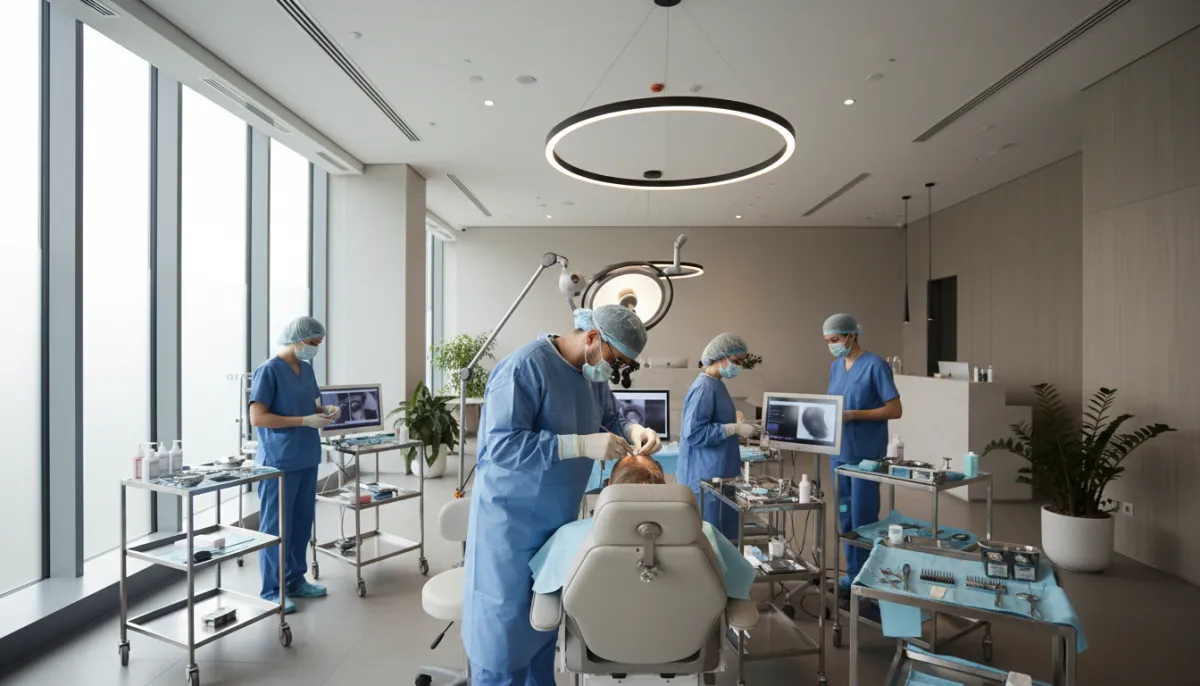
The Typical Timeline of Shock Loss After a Hair Transplant
The shedding timeline can vary based on the technique used, the number of grafts, and individual scalp characteristics. Most patients notice the first signs of hair transplant shock loss between days 7 and 14, with the peak shedding occurring around weeks 2–3.
Below is a typical timeline:
- Day 0–3: Minimal visible change; scalp may appear slightly reddened.
- Day 7–14: Initial shedding begins; fine hairs start to fall.
- Week 2–3: Peak shedding; most transplanted hairs may be lost.
- Week 4–6: Shedding slows; early new growth may be observed.
- Month 2–4: New hair enters anagen; noticeable thickening.
It is important to differentiate this normal process from other forms of hair loss. For instance, hair transplant thinning that persists beyond six months may indicate a different issue, such as inadequate graft survival or underlying scalp conditions.
Patients who undergo follicular unit extraction (FUE) often experience a slightly shorter shedding phase compared to those who have follicular unit transplantation (FUT), but the overall pattern remains consistent.
Managing and Reducing Shock Loss: Tips for Patients
While shock loss is largely unavoidable, several strategies can help minimize its impact and support faster regrowth. Below are evidence‑based recommendations:
Gentle Scalp Care
- Use a mild, sulfate‑free shampoo no more than twice daily for the first two weeks.
- Avoid vigorous rubbing; gently pat the scalp dry.
- Apply a prescribed anti‑inflammatory serum if recommended by your surgeon.
Nutrition and Supplements
Optimal nutrition supports follicle health. Consider incorporating:
- Biotin (2,500 µg daily) to strengthen hair shafts.
- Omega‑3 fatty acids (e.g., fish oil) to reduce inflammation.
- Zinc and iron, especially if blood tests indicate a deficiency.
Medication and Topical Treatments
Some clinicians prescribe short courses of oral minoxidil or low‑dose finasteride to promote early growth. Topical minoxidil can also be applied after the first week, provided the scalp is fully healed.
Physical Activity and Stress Management
Moderate exercise improves circulation, but intense workouts that cause excessive sweating should be avoided for the first ten days. Stress‑reduction techniques such as meditation can lower cortisol levels, which may otherwise impede hair regeneration.
Following these steps can reduce the severity of hair transplant shedding and improve overall graft survival.
When to Seek Professional Help and What to Expect
Most cases of shock loss resolve without intervention, but certain signs indicate that you should contact your surgeon promptly. Look out for:
- Excessive redness, swelling, or pus formation.
- Persistent itching or burning sensations beyond two weeks.
- Sudden, extensive hair loss that continues beyond the expected shedding window.
- Any unexpected pain or numbness in the donor or recipient area.
If any of these symptoms appear, a follow‑up visit will typically include:
- A visual examination of graft sites.
- Dermoscopic imaging to assess follicle health.
- Optional blood tests to rule out infection or nutritional deficiencies.
Based on the findings, the clinician may adjust post‑operative medication, recommend additional topical treatments, or schedule a minor corrective procedure if graft loss is significant.
Remember that does transplanted hair fall out is a common concern, but in most cases the answer is no—shedding is part of the natural cycle, and new growth will follow.
Long‑Term Outlook: Is Shock Loss Permanent?
One of the most frequent questions patients ask is whether shock loss indicates a permanent setback. The reassuring answer is that shock loss is temporary. Once the transplanted follicles re‑enter the anagen phase, they typically produce hair that matches the characteristics of the donor area.
Long‑term studies show that graft survival rates exceed 90% when proper post‑operative care is followed. However, the overall success also depends on maintaining a healthy scalp environment and addressing any subsequent hair loss that may occur due to age or genetics.
Maintaining the results of a hair transplant often involves:
- Continuing low‑dose minoxidil or finasteride if prescribed.
- Periodic scalp massages to stimulate circulation.
- Annual check‑ups with your hair restoration specialist.
By adhering to these practices, most patients experience a durable, natural‑looking improvement that lasts for many years.
Why Choose Gold City Medical Center
Gold City Medical Center combines cutting‑edge technology with a holistic approach to hair restoration. Our team of experienced surgeons uses the latest FUE and FUT techniques, ensuring minimal trauma and optimal graft survival. We offer personalized after‑care programs that address shock loss, nutrition, and long‑term scalp health, giving you confidence in a lasting, natural result.
With a focus on integrative healthcare, we coordinate medical, cosmetic, and wellness services to support your overall well‑being throughout the transplant journey.
Ready to start your hair restoration journey with confidence? Contact Gold City Medical Center today to schedule a personalized consultation and learn how we can help you achieve lasting, natural results.
FAQ
What causes hair transplant shock loss?
Shock loss occurs when transplanted follicles enter a temporary resting phase (telogen) due to trauma, inflammation, and stress from the surgery.
How long does shock loss typically last?
Shock loss usually peaks between weeks 2‑3 and resolves by weeks 4‑6, with new hair growth starting around month 2‑4.
What can I do to reduce the severity of shock loss?
Gentle scalp care, proper nutrition, and targeted medications can help lessen shedding and support faster regrowth.
When should I contact my surgeon after a hair transplant?
Reach out if you experience excessive redness, swelling, pus, persistent itching, burning, or continued extensive shedding beyond the expected window.
Is shock loss permanent?
No, shock loss is temporary; once follicles re‑enter the growth phase, they produce new hair that matches the donor area.
Can medication help with shock loss?
Yes, short courses of oral minoxidil or low‑dose finasteride can promote early regrowth, and topical minoxidil may be used after the scalp heals.





