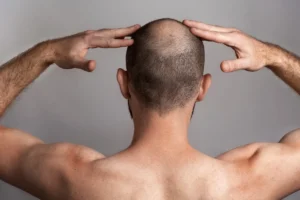
When you search for a hair transplant specialist, you are looking for a professional who can blend medical expertise with artistic precision to restore your natural hairline. In the Netherlands, demand for hair restoration has grown steadily, with thousands of men and women seeking reliable solutions each year. A qualified specialist not only performs the surgery but also guides you through pre‑operative assessments, technique selection, and post‑operative care.
Understanding what a hair transplant specialist does—and why their expertise matters—can help you make an informed decision and avoid costly mistakes. This article walks you through the essential aspects of hair restoration, from the science behind graft harvesting to the practical steps you’ll experience during your first consultation at Gold City Medical Center.
Whether you are considering a FUE hair transplant, a traditional strip method, or a combination approach, the right specialist will tailor the plan to your unique scalp condition, donor area, and aesthetic goals. Let’s explore how to evaluate credentials, choose the most suitable technique, and prepare for a successful outcome.
Understanding the Role of a Hair Transplant Specialist
A hair transplant specialist is a medical professional—often a dermatologist or plastic surgeon—who has completed extensive training in follicular unit extraction (FUE), follicular unit transplantation (FUT), and related hair restoration procedures. Their responsibilities include diagnosing the cause of hair loss, assessing scalp health, and recommending the most appropriate surgical plan.
Key competencies of a specialist include:
- Proficiency in microsurgical techniques for graft extraction and implantation.
- Knowledge of hair growth cycles and donor‑site management.
- Ability to design a natural‑looking hairline that matches the patient’s facial features.
- Experience with postoperative monitoring and complication management.
When evaluating a professional, look for board certification, a portfolio of before‑and‑after photos, and patient testimonials that demonstrate consistent results. Many specialists also stay current with the latest innovations, such as robotic FUE systems and platelet‑rich plasma (PRP) adjuncts, which can enhance graft survival.
Below is a quick comparison of typical qualifications you might encounter:
| Qualification | Typical Requirement | Why It Matters |
|---|---|---|
| Board Certification | Dermatology or Plastic Surgery | Ensures adherence to medical standards and ethics. |
| FUE/FUT Training | Minimum 200 supervised procedures | Demonstrates hands‑on expertise. |
| Continuing Education | Annual conferences, workshops | Keeps skills up‑to‑date with evolving technology. |
Choosing the Right Technique: FUE vs. FUT and Other Options
Modern hair restoration offers several techniques, each with distinct advantages. The most common are FUE hair transplant and strip harvesting (FUT). Understanding the differences helps you and your specialist decide which method aligns with your goals.
FUE (Follicular Unit Extraction)
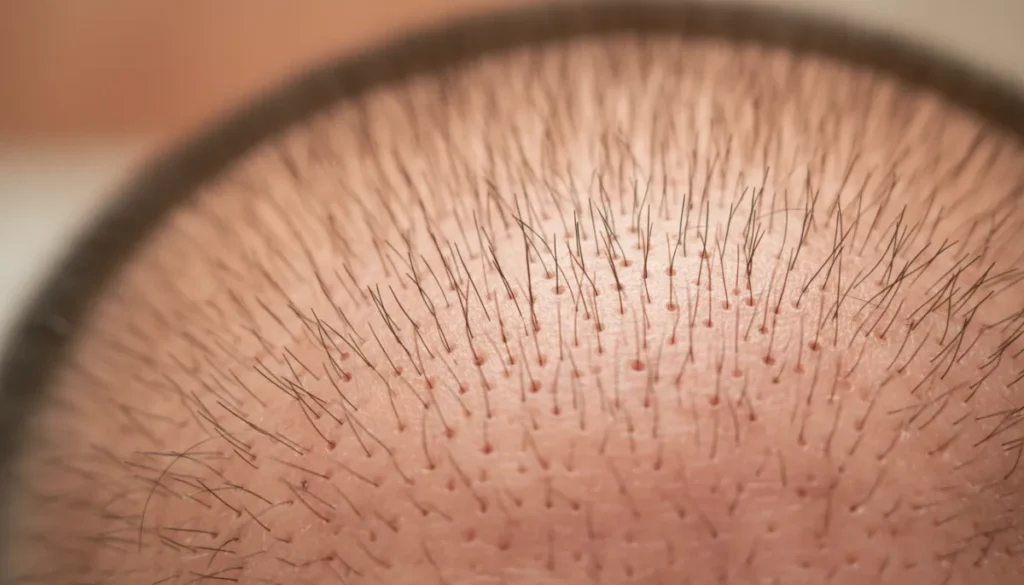
FUE involves removing individual follicular units directly from the donor area—usually the back of the scalp—using a micro‑punch device. Benefits include minimal scarring, faster healing, and the ability to harvest from a wider donor zone.
- Ideal for patients who prefer short hairstyles.
- Lower risk of postoperative numbness.
- Suitable for those seeking a less invasive procedure.
FUT (Follicular Unit Transplantation)
FUT, also known as the strip method, removes a thin strip of scalp tissue from the donor area, which is then dissected into individual grafts. This technique can yield a higher total graft count in a single session.
- Often more cost‑effective per graft.
- Provides a larger number of grafts for extensive baldness.
- Leaves a linear scar that can be concealed by longer hair.
Other emerging options include robotic‑assisted FUE, which increases precision, and the use of hair graft preservation solutions that improve graft viability.
When consulting with a hair transplant specialist, discuss the following factors:
- Extent of hair loss and desired density.
- Scalp laxity and donor‑site quality.
- Personal lifestyle and hairstyle preferences.
- Budget and expected number of sessions.
The Hair Transplant Procedure: Step‑by‑Step Overview
A typical hair transplant surgery follows a structured sequence to ensure safety and optimal graft survival. Below is a detailed walk‑through of what you can expect during a session with a qualified specialist.
1. Initial Consultation and Planning
The specialist evaluates your medical history, conducts a scalp examination, and may request a trichoscopic analysis. Based on this assessment, a customized transplant plan—including graft count, donor area mapping, and hairline design—is created.
2. Anesthesia
Local anesthesia is administered to the donor and recipient zones. Most patients report only mild pressure sensations, making the procedure comfortably tolerable.
3. Graft Harvesting
Depending on the chosen technique, the specialist either extracts individual follicular units (FUE) or removes a strip of scalp (FUT). Advanced devices may include robotic arms for precise FUE extraction.
4. Graft Preparation
Harvested grafts are placed in a specialized solution that maintains temperature and moisture, preserving cell viability until implantation.
5. Recipient Site Creation
Micro‑incisions are made in the balding area following the pre‑planned pattern. The angle, direction, and density of each incision are meticulously controlled to mimic natural hair growth.
6. Graft Implantation
Each graft is carefully positioned into the recipient sites. Skilled specialists can implant 1,500–3,000 grafts in a single session, depending on the technique and donor supply.
7. Post‑Operative Care
After the procedure, the specialist provides detailed aftercare instructions, including medication, washing guidelines, and activity restrictions.
The entire process typically lasts 4–8 hours, with most patients returning home the same day. Below is a concise timeline:
| Stage | Duration |
|---|---|
| Consultation & Planning | 30–60 min |
| Anesthesia | 10–15 min |
| Harvesting (FUE) | 60–120 min |
| Harvesting (FUT) | 45–90 min |
| Implantation | 120–180 min |
| Final Review | 15–20 min |
Aftercare and Long‑Term Results: Maintaining Your New Hairline
Successful hair restoration extends beyond the operating room. Proper aftercare maximizes graft survival and ensures a natural-looking outcome over time.
Immediate Post‑Operative Care
- Keep the scalp clean using the specialist’s recommended gentle shampoo.
- Avoid direct sunlight, heavy exercise, and swimming for at least 7–10 days.
- Take prescribed antibiotics or anti‑inflammatory medication as directed.
Mid‑Term Healing (Weeks 2–4)
During this phase, transplanted hairs may shed—a normal process called “shock loss.” New hair growth typically begins around week 3–4 and continues to thicken over the next 6–12 months.
Long‑Term Maintenance
To preserve the results, consider adjunct therapies such as PRP injections, low‑level laser therapy, or topical minoxidil, especially if you have ongoing pattern baldness. Regular follow‑up appointments with your hair transplant specialist allow monitoring of growth and early detection of any issues.
Below is a simple aftercare checklist you can keep handy:
- Follow washing instructions (usually 48‑hour delay, then gentle shampoo).
- Sleep with the head elevated for the first few nights.
- Apply any prescribed topical treatments as scheduled.
- Attend all follow‑up visits for progress evaluation.
- Maintain a balanced diet rich in vitamins and minerals that support hair health.
Costs, Consultation, and What to Expect During Your Visit
Understanding the financial and logistical aspects of hair restoration helps you plan realistically. Prices vary based on graft count, technique, and clinic reputation. At Gold City Medical Center, transparent pricing and comprehensive consultations are standard.
Typical Cost Factors
- Number of grafts required (average cost per graft €2‑€5).
- Technique chosen (FUE often carries a premium over FUT).
- Additional services such as PRP, medication, or postoperative imaging.
Most patients schedule an initial consultation that includes:
- Detailed medical and hair‑loss history review.
- Scalp analysis with digital imaging.
- Discussion of realistic expectations and timeline.
- Personalized treatment plan with a clear cost breakdown.
Gold City Medical Center offers a complimentary first‑visit assessment, allowing you to meet the specialist, view the facility, and receive a written proposal before committing.
When budgeting, also consider follow‑up visits and potential adjunct therapies, which can enhance long‑term results.
Why Choose Gold City Medical Center
Gold City Medical Center combines cutting‑edge technology with a patient‑focused approach to deliver reliable hair restoration outcomes. Our team of certified hair transplant specialists is experienced in both FUE and FUT techniques, ensuring a tailored solution for every individual. We prioritize safety, transparency, and long‑term satisfaction, offering comprehensive aftercare and optional adjunct therapies to support lasting results.
Ready to restore your confidence with a trusted hair transplant specialist? Contact Gold City Medical Center today to schedule your complimentary consultation and take the first step toward a natural, full‑looking hairline.
FAQ
What does a hair transplant specialist do?
A hair transplant specialist diagnoses hair loss, designs a natural hairline, performs graft extraction and implantation, and oversees postoperative care.
How do I choose between FUE and FUT?
Consider scar visibility, graft quantity, recovery time, and budget; FUE offers minimal scarring, while FUT can provide more grafts at lower cost.
What should I expect during the initial consultation?
The specialist will review your medical history, examine your scalp, possibly perform trichoscopy, and propose a personalized transplant plan.
How long does the hair transplant procedure take?
A typical session lasts 4–8 hours, depending on the technique and number of grafts.
What is the recommended aftercare for optimal graft survival?
Follow gentle washing instructions, avoid sun and heavy exercise for 7‑10 days, and use prescribed medications and topical treatments.
How are the costs of a hair transplant calculated?
Costs depend on the number of grafts, chosen technique, and clinic reputation; average price per graft ranges from €2 to €5.