hair won t grow is a frustrating problem that affects many people, regardless of age or gender. Whether you notice thinning strands, a lack of new growth, or a stubborn bald spot, the underlying reasons can be complex. In this article we will examine the most common causes, explain how professionals diagnose the issue, and outline both medical and lifestyle solutions that can help you regain a fuller, healthier head of hair.
According to recent dermatology surveys, up to 40% of adults experience some form of hair growth stagnation at least once in their lifetime. This statistic highlights how widespread the concern is, and why it deserves a thorough, evidence‑based approach.
We will also discuss emerging technologies such as red light therapy, which has gained popularity for its potential to stimulate follicles and improve scalp health. By the end of this guide, you will have a clear roadmap for addressing the problem of hair that won t grow, from self‑care tips to professional interventions.
Understanding Why Hair Won’t Grow: Common Causes
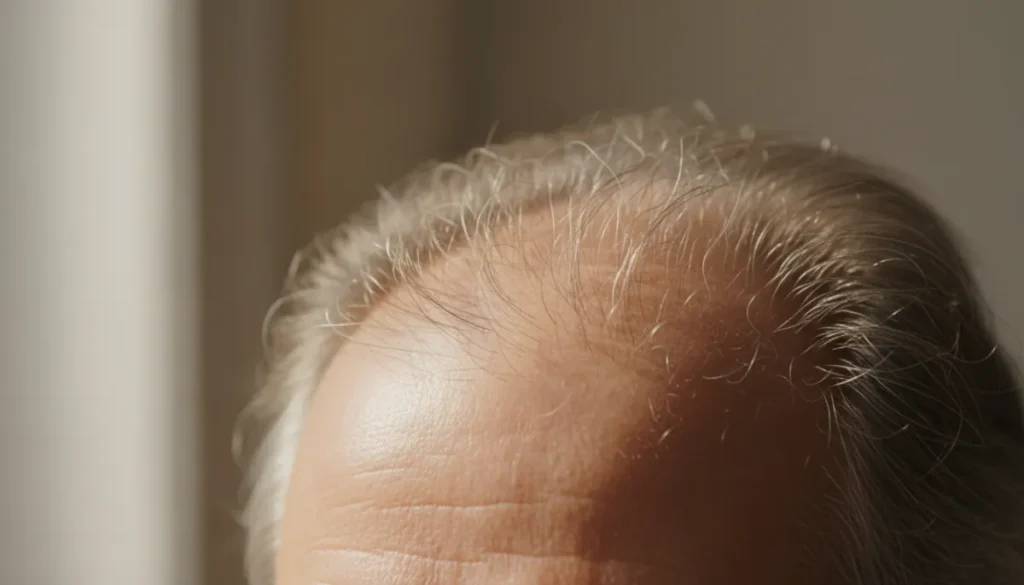
The first step in tackling the issue is recognizing the multitude of factors that can halt hair development. While genetics play a pivotal role, other modifiable elements often contribute significantly.
- Hormonal Imbalances: Thyroid disorders, estrogen fluctuations, and androgenic alopecia can all disrupt the hair growth cycle.
- Nutritional Deficiencies: Lack of iron, zinc, biotin, or protein deprives follicles of essential building blocks.
- Scalp Health Problems: Chronic inflammation, dandruff, or fungal infections create an unfavourable environment for new strands.
- Medical Conditions: Autoimmune diseases such as alopecia areata cause the immune system to attack hair follicles.
- Stress and Trauma: Physical or emotional stress can push hair follicles into a resting phase, leading to shedding and stalled growth.
Understanding these triggers helps you target the right interventions. For example, if iron deficiency is identified, supplementing with iron can restore the growth cycle within weeks. Conversely, genetic patterns may require more advanced treatments.
Diagnosing Hair Growth Issues: When to See a Specialist
Self‑assessment can provide clues, but a definitive diagnosis often requires clinical evaluation. Dermatologists and trichologists employ several tools to pinpoint the exact cause of hair that won t grow.
| Diagnostic Tool | Purpose | What It Reveals |
|---|---|---|
| Scalp Biopsy | Assess follicle health | Distinguish between scarring and non‑scarring alopecia |
| Blood Tests | Check systemic health | Identify hormonal imbalances, nutrient levels, autoimmune markers |
| Trichoscopy | Non‑invasive imaging | Visualize follicle density, inflammation, and miniaturization |
Early intervention is key. If you notice persistent thinning for more than three months, or if you develop sudden bald patches, schedule an appointment. Prompt diagnosis not only clarifies the root cause but also expands the range of effective treatments.
Treatment Options: From Medical Therapies to Red Light Therapy
Once a cause is identified, a tailored treatment plan can be implemented. Options range from prescription medications to cutting‑edge technologies.
- Topical Minoxidil: The most widely used over‑the‑counter solution, proven to extend the growth phase of hair follicles.
- Oral Finasteride: Effective for androgenic alopecia in men, it reduces DHT levels that shrink follicles.
- Platelet‑Rich Plasma (PRP): Autologous injections that deliver growth factors directly to the scalp.
- Red Light Therapy: Low‑level red and near‑infrared wavelengths stimulate cellular metabolism, increase blood flow, and may reduce inflammation. Studies report up to 30% improvement in hair density after consistent use.
- Hair Transplant Surgery: For advanced cases, follicular unit extraction (FUE) provides permanent restoration.
Red light therapy, in particular, has become a popular adjunct because it is non‑invasive and can be combined with other treatments. Patients typically use a red light mask or panel for 10–15 minutes daily, noticing gradual thickening after several weeks.
Lifestyle and Home Remedies to Support Hair Growth
While medical interventions address underlying pathology, everyday habits can amplify results. Simple adjustments often yield measurable improvements in hair density and overall scalp condition.
| Habit | Recommended Action | Impact on Hair |
|---|---|---|
| Nutrition | Consume lean proteins, leafy greens, nuts, and fish | Provides essential amino acids and omega‑3 fatty acids for follicle nourishment |
| Stress Management | Practice mindfulness, yoga, or regular exercise | Reduces cortisol levels that can trigger telogen shedding |
| Scalp Care | Use gentle shampoos, avoid excessive heat, and massage regularly | Improves blood circulation and removes buildup that can block follicles |
Additionally, avoid harsh chemical treatments and tight hairstyles that cause traction alopecia. Consistent scalp massage with oils such as rosemary or peppermint can further stimulate blood flow, supporting the natural growth cycle.
Why Choose Gold City Medical Center
Gold City Medical Center combines a multidisciplinary approach with state‑of‑the‑art technology to address hair that won t grow. Our team of experienced dermatologists, trichologists, and surgeons collaborates to deliver personalized care, from diagnostic testing to advanced therapies like red light treatment and FUE hair transplantation.
Patients benefit from a seamless experience: thorough evaluation, evidence‑based treatment plans, and ongoing support throughout the recovery process. Trust our integrative expertise to help you achieve lasting hair health.
Ready to start your journey toward fuller hair? Contact Gold City Medical Center today to schedule a comprehensive consultation and discover the most effective solutions for your unique situation.
Take the first step now—our specialists are waiting to help you regain confidence and vitality.
FAQ
What are the common causes of hair that won’t grow?
Hair growth can be halted by hormonal imbalances, nutritional deficiencies, scalp health problems, medical conditions, and stress.
When should I see a specialist for hair growth problems?
If thinning persists for more than three months or sudden bald patches appear, schedule a dermatologist or trichologist appointment.
How does red light therapy help with hair growth?
Red light therapy uses low‑level red and near‑infrared wavelengths to stimulate cellular metabolism, increase blood flow, and reduce scalp inflammation.
What medical treatments are available for hair that won’t grow?
Topical minoxidil, oral finasteride, platelet‑rich plasma (PRP) injections, and hair transplant surgery are common medical options.
Which lifestyle changes can support hair growth?
A balanced diet rich in protein and iron, stress management, gentle scalp care, and avoiding harsh chemicals or tight hairstyles can boost hair health.
Why choose Gold City Medical Center for hair loss treatment?
Gold City Medical Center offers a multidisciplinary team, state‑of‑the‑art diagnostics, and advanced therapies like red light treatment and FUE transplants.





