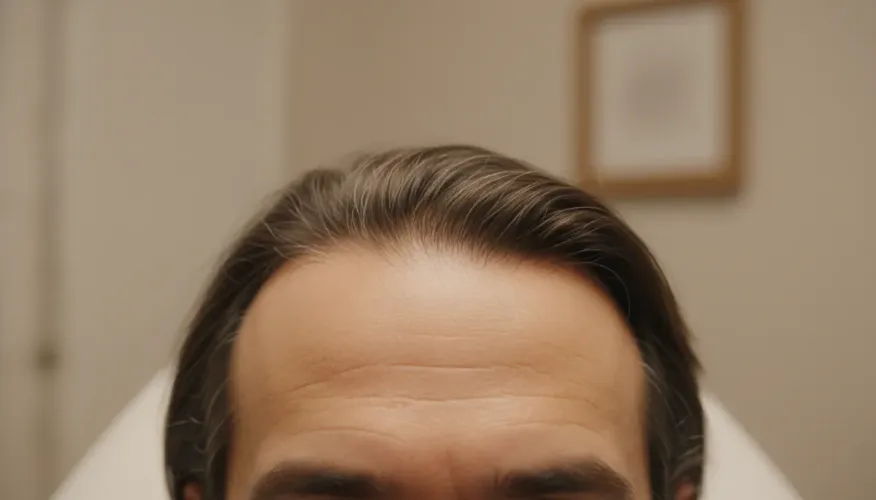
Many people ask, how can i make my hairline grow, because a receding hairline can affect confidence and appearance. Understanding the biology of hair growth and the factors that influence it is the first step toward a fuller, healthier front line. In the United States, approximately 30 % of men and 12 % of women experience noticeable hairline recession before age 35, highlighting the widespread nature of this concern.
This article explores the underlying causes of hairline loss, lifestyle habits that support growth, evidence‑based topical and nutritional options, and when professional interventions such as hair transplants become appropriate. By the end, you will have a clear roadmap to answer the question “how can i make my hairline grow” with realistic, science‑backed actions.
Whether you are dealing with a subtle thinning at the temples or a more pronounced receding hairline, the strategies outlined here can be tailored to your unique situation. Let’s begin by examining why the hairline retreats in the first place.
Understanding Hairline Loss and Its Causes
The hairline is often the first area to show signs of hair thinning because the follicles there are genetically more sensitive to hormonal changes, especially dihydrotestosterone (DHT). Other contributors include stress, nutritional deficiencies, and certain medical conditions. Recognizing these triggers helps you target the root cause rather than just the symptom.
Key factors include:
- Genetic predisposition: Family history of a receding hairline or male‑pattern baldness.
- Hormonal imbalance: Elevated DHT levels shrink hair follicles, shortening the anagen (growth) phase.
- Nutrition: Insufficient iron, zinc, or biotin can slow hair growth.
- Stress: Chronic cortisol elevation can push follicles into the telogen (resting) phase.
- Scalp health: Excessive sebum or fungal overgrowth may block follicles.
Understanding how fast does hair grow is also useful; on average, hair grows about 0.35 mm per day, or roughly 1 cm per month. When the growth cycle is disrupted, the visible length may stall, and the hairline appears to recede.
By pinpointing which of these elements apply to you, you can begin to address the specific reasons behind your hairline recession.
Lifestyle Changes That Support Hairline Growth
While genetics play a major role, lifestyle adjustments can significantly improve the environment for hair follicles. If you’re still wondering how can i make my hairline grow, start with these daily habits.
Nutrition is foundational. A balanced diet rich in protein, omega‑3 fatty acids, and vitamins A, C, D, and E fuels the production of keratin, the protein that makes up hair. Foods such as salmon, eggs, spinach, and nuts provide essential nutrients. Additionally, consider a daily supplement containing biotin, zinc, and iron if dietary intake is insufficient.
Regular exercise promotes circulation, delivering oxygen and nutrients to the scalp. Even moderate activities like brisk walking or cycling can enhance blood flow, supporting hair follicle health.
Managing stress through mindfulness, yoga, or adequate sleep (7‑9 hours) helps keep cortisol levels in check, reducing the risk of telogen effluvium, a condition where hair prematurely enters the resting phase.
Lastly, avoid harsh styling practices. Excessive heat, tight ponytails, or chemical treatments can cause mechanical damage and exacerbate thinning.
| Lifestyle Factor | Positive Impact on Hairline |
|---|---|
| Balanced Diet | Provides essential nutrients for keratin synthesis |
| Regular Exercise | Improves scalp circulation and oxygen delivery |
| Stress Management | Reduces cortisol‑induced follicle shedding |
| Avoid Tight Hairstyles | Prevents traction alopecia and mechanical breakage |
Effective Topical and Nutritional Treatments
When lifestyle tweaks alone aren’t enough, targeted treatments can accelerate hairline regrowth. Many wonder how can i make my hairline grow faster, and the answer often lies in combining proven topical agents with supportive supplements.
Minoxidil (2 % for women, 5 % for men) is the only FDA‑approved over‑the‑counter medication shown to stimulate hair follicles and extend the anagen phase. Consistent twice‑daily application can yield visible improvement within 3‑6 months.
Finasteride, a prescription oral medication, reduces DHT production and is especially effective for men with a receding hairline. It should be used under medical supervision due to potential side effects.
Natural alternatives such as pumpkin seed oil, saw palmetto extract, and caffeine‑infused shampoos have demonstrated modest benefits by inhibiting DHT or enhancing follicle vitality.
Supplemental nutrients that complement topical therapy include:
- Biotin (Vitamin B7): Supports keratin infrastructure.
- Vitamin D: Crucial for follicle cycling.
- Iron: Deficiency is linked to diffuse hair loss.
- Omega‑3 fatty acids: Reduce inflammation around the scalp.
Combining these treatments with a disciplined routine maximizes the chance of achieving a thicker, more defined hairline.
Professional Procedures: When to Consider a Hair Transplant
If non‑invasive methods have plateaued, a surgical approach may be the next logical step. Many patients still ask, “how can i make my hairline grow” after trying creams and supplements, and a hair transplant offers a permanent solution by relocating healthy follicles to the frontal scalp.
Two primary techniques dominate the field:
- Follicular Unit Extraction (FUE): Individual follicles are harvested from a donor area (usually the back of the head) and implanted into the hairline. This method leaves minimal scarring and offers natural‑looking results.
- Follicular Unit Transplantation (FUT): A strip of scalp is removed, dissected into grafts, and transplanted. FUT may be suitable for larger sessions but leaves a linear scar.
Success rates for hairline restoration with FUE range from 85 % to 95 % when performed by experienced clinicians. Post‑procedure care includes gentle scalp massage, avoiding direct sunlight, and using prescribed topical agents to support graft survival.
Choosing the right candidate involves evaluating scalp laxity, donor hair density, and realistic expectations. A thorough consultation at a reputable clinic ensures you receive a personalized plan that aligns with your aesthetic goals.
Maintaining Results and Long‑Term Hairline Health
Achieving a fuller hairline is only part of the journey; maintaining it requires ongoing care. Even after successful treatment, the underlying factors that caused recession can persist.
Key maintenance strategies include:
- Continue low‑dose minoxidil or prescribed topical agents for at least 12 months post‑procedure.
- Maintain a nutrient‑dense diet and consider periodic blood work to monitor iron and vitamin D levels.
- Limit exposure to harsh chemicals, chlorine, and excessive heat styling.
- Schedule regular check‑ups with a hair‑restoration specialist to monitor graft health.
- Adopt a gentle scalp massage routine to stimulate circulation.
By integrating these habits, you reinforce the health of existing follicles and reduce the risk of future thinning. Remember, hairline care is a lifelong commitment, and proactive steps today can preserve your results for years to come.
Why Choose Gold City Medical Center
Gold City Medical Center combines cutting‑edge medical expertise with a holistic approach to hair restoration. Our team of board‑certified specialists offers personalized treatment plans that integrate lifestyle counseling, advanced topical therapies, and state‑of‑the‑art hair transplant techniques. With a focus on safety, natural results, and patient education, we help you achieve a confident, lasting hairline.
Ready to take the first step toward a fuller hairline? Contact Gold City Medical Center today to schedule a comprehensive consultation and discover the most effective plan for you.
FAQ
What causes a receding hairline?
Genetics, hormonal changes (especially DHT), stress, nutritional deficiencies, and scalp health issues can all contribute to a receding hairline.
How fast does hair grow on the scalp?
On average, scalp hair grows about 0.35 mm per day, roughly 1 cm per month.
Can lifestyle changes improve hairline growth?
Yes, a balanced diet, regular exercise, stress management, and gentle hair care can create a healthier environment for hair follicles.
What are the most effective topical treatments for hairline regrowth?
Minoxidil is the only FDA‑approved topical, while natural options like caffeine shampoos, pumpkin seed oil, and saw palmetto can provide modest benefits.
When should I consider a hair transplant for my hairline?
If non‑invasive methods plateau after several months and you have sufficient donor hair, a transplant may be appropriate.
How can I maintain my hairline after treatment?
Continue low‑dose minoxidil, follow a nutrient‑dense diet, avoid harsh chemicals, and schedule regular check‑ups with a specialist.

