Learning how to cleanse your body is the first step toward feeling lighter, more energetic, and healthier overall. In today’s fast‑paced world, toxins accumulate from processed foods, environmental pollutants, and stress, making a natural reset essential. This article explains the science behind detoxification, daily habits that promote a gentle cleanse, short‑term programs for a quick reset, and when professional support is advisable. Whether you aim to support liver function, improve gut health, or simply boost your vitality, the strategies outlined here are practical, evidence‑based, and safe for most adults.
Did you know that the liver processes roughly 1,000 liters of blood each day, filtering out waste and toxins? Yet, many people overlook simple lifestyle tweaks that can enhance this vital organ’s performance. By integrating mindful nutrition, adequate hydration, and targeted supplements, you can create an environment where your body’s own detox pathways thrive.
In the sections that follow, we’ll explore the role of key organs, introduce daily routines, compare short‑term detox plans, and highlight signs that professional guidance may be needed. Let’s begin the journey toward a cleaner, more resilient you.
Understanding Body Detoxification
The human body is equipped with a sophisticated detox system that includes the liver, kidneys, lungs, skin, and gastrointestinal tract. Each organ plays a unique role in converting harmful substances into harmless compounds that can be eliminated safely.
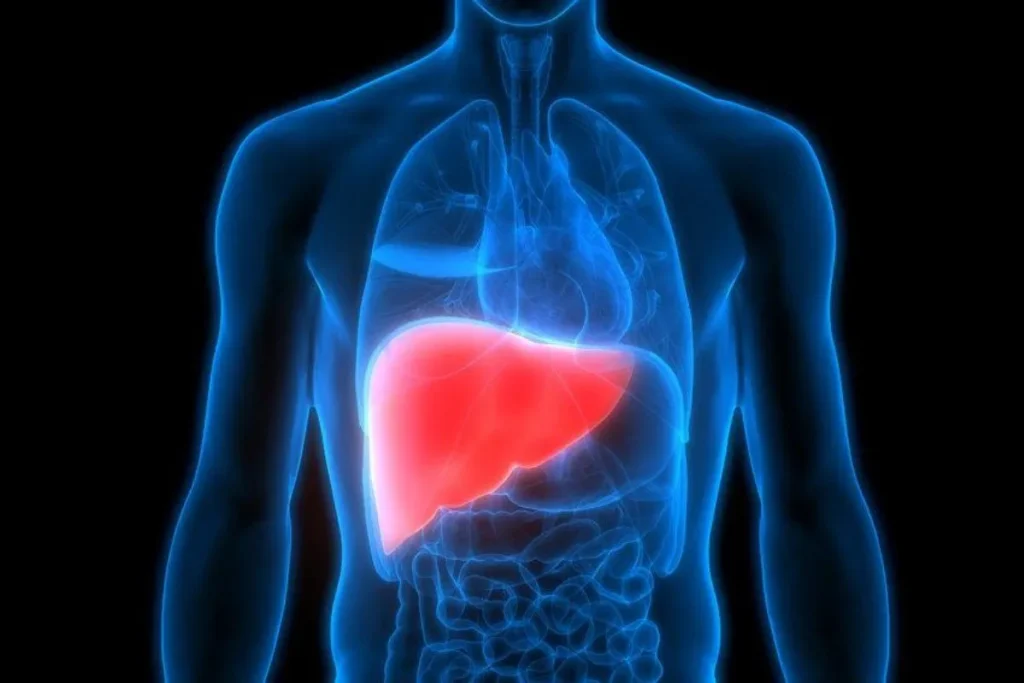
Liver detox is often the focus of many cleansing programs because the liver metabolizes drugs, alcohol, and metabolic waste. Supporting liver health can be as simple as incorporating antioxidant‑rich foods and certain herbal supplements.
- **Liver** – Filters blood, produces bile, and breaks down toxins.
- **Kidneys** – Remove water‑soluble waste through urine.
- **Lungs** – Expel volatile compounds via exhalation.
- **Skin** – Eliminates toxins through sweat.
- **Gut** – Hosts beneficial bacteria that aid in digestion and toxin breakdown.
When these systems function optimally, you may notice clearer skin, improved digestion, and higher energy levels. However, factors such as poor diet, chronic stress, and environmental exposures can overload these pathways, leading to what many describe as “feeling sluggish” or “toxic buildup.”
Integrating natural agents like milk thistle—known for its silymarin content—can support liver regeneration. Typical doses range from 150 mg to 300 mg of standardized extract daily, but it’s wise to consult a healthcare professional before beginning any supplement regimen.
Daily Habits That Support a Natural Cleanse
Consistent, small adjustments can have a cumulative effect on how effectively your body eliminates waste. Below are practical habits you can adopt today.
Hydration
Drinking adequate water—about 2 to 3 liters per day for most adults—helps the kidneys flush out soluble toxins. Adding a slice of lemon or cucumber can enhance flavor without adding sugar.
Nutrition
Focus on whole, plant‑based foods rich in fiber, antioxidants, and phytonutrients. Cruciferous vegetables (broccoli, kale, Brussels sprouts) contain glucosinolates that aid liver detox enzymes.
- **Green tea** – Contains catechins that support liver function.
- **Turmeric** – Curcumin stimulates bile production.
- **Garlic** – Sulfur compounds boost detoxifying enzymes.
Supplement Support
When diet alone isn’t enough, consider targeted supplements. A typical dose for your liver might include:
| Supplement | Typical Daily Dose | Key Benefits |
|---|---|---|
| Milk Thistle Extract | 150‑300 mg | Supports liver cell regeneration |
| Alpha‑Lipoic Acid | 300‑600 mg | Antioxidant, protects liver cells |
| Probiotic Blend | 10‑20 billion CFU | Improves gut barrier, aids toxin removal |
These dosages are general guidelines; individual needs may vary. Always discuss supplement plans with a qualified practitioner, especially if you have underlying health conditions.
In addition to diet and supplements, regular physical activity—such as brisk walking, cycling, or yoga—stimulates circulation and lymphatic flow, further assisting the body’s natural cleansing processes.
Targeted Detox Programs: Short‑Term Plans
For those seeking a more focused reset, short‑term detox programs can provide a structured approach. These plans typically last 1‑3 days and combine specific dietary guidelines, herbal teas, and gentle fasting techniques.
Three‑Day Liver Reset
This protocol emphasizes low‑fat, high‑fiber foods, and includes a daily liver detox drink made from beetroot, carrot, ginger, and a pinch of cayenne. The drink supplies betaine and antioxidants that support hepatic function.
Fasting for Weight Loss and Detox
Intermittent fasting—such as a 16:8 schedule—allows the body to enter a mild catabolic state, encouraging the breakdown of stored fat and the release of fat‑soluble toxins. Research suggests that fasting for 12‑24 hours can improve insulin sensitivity and promote autophagy, a cellular “clean‑up” process.
- **Day 1** – Light broth, steamed vegetables, and herbal tea.
- **Day 2** – Continue with broth, add a small portion of fruit.
- **Day 3** – Reintroduce lean protein and whole grains gradually.
Detox Cleanse Drink Options
Commercial detox drinks often contain a blend of herbs, vitamins, and electrolytes. When selecting a product, look for transparent ingredient lists and avoid excessive added sugars.
| Product | Key Ingredients | Typical Use |
|---|---|---|
| Green Cleanse Blend | Spirulina, chlorella, lemon, mint | One serving daily for 5 days |
| Berry Antioxidant Mix | Acai, blueberry, vitamin C | Two servings per day, 3‑day program |
| Herbal Liver Support | Milk thistle, dandelion root, artichoke | One serving nightly for 7 days |
While short‑term programs can jump‑start a cleanse, they are not substitutes for long‑term healthy habits. Always monitor how you feel, and discontinue any regimen that causes dizziness, severe fatigue, or gastrointestinal distress.
When to Seek Professional Guidance
While many cleansing methods are safe for healthy adults, certain situations warrant medical supervision. Individuals with chronic liver disease, kidney impairment, diabetes, or those taking prescription medications should consult a healthcare provider before starting any detox regimen.
Medical Assessment
A comprehensive evaluation may include blood tests to assess liver enzymes (ALT, AST), kidney function (creatinine, eGFR), and metabolic markers. This helps determine whether a detox plan is appropriate or if adjustments are needed.
Professional Supplement Plans
Qualified practitioners can tailor a dose for your liver based on lab results, body weight, and health goals. For example, a patient with mildly elevated liver enzymes might receive a lower initial dose of milk thistle (100 mg) and a gradual increase under monitoring.
- **Liver health supplements** – Formulated with standardized extracts.
- **Herbal clean detox formulas** – May include artichoke leaf, dandelion, and turmeric.
- **Gut drops** – Probiotic blends designed to restore intestinal flora.
Reviews of specific doses often highlight the importance of consistency and proper timing (e.g., taking supplements with meals to improve absorption). Always discuss potential side effects such as gastrointestinal upset or allergic reactions.
When Symptoms Persist
If you experience persistent fatigue, unexplained weight loss, jaundice, or swelling, seek immediate medical attention. These could indicate underlying conditions that require targeted treatment beyond a simple cleanse.
Maintaining Cleanliness Long‑Term
After completing a short‑term cleanse, the goal shifts to sustaining the benefits through ongoing lifestyle choices. Long‑term maintenance revolves around three pillars: nutrition, gut health, and stress management.
Balanced Nutrition
Continue to prioritize fiber‑rich vegetables, lean proteins, and healthy fats. Incorporate fermented foods like kefir, kimchi, or sauerkraut to support a diverse microbiome.
Gut Health Support
Regular use of gut drops or high‑quality probiotics can maintain intestinal barrier integrity, reducing the re‑absorption of toxins. A typical maintenance dose is 1‑2 capsules daily, containing at least 5 billion CFU of multiple strains.
Stress Reduction
Chronic stress elevates cortisol, which can impair liver function and slow detox processes. Practices such as mindfulness meditation, deep‑breathing exercises, and adequate sleep (7‑9 hours) are essential for hormonal balance.
- **Mindful breathing** – 5 minutes, 4‑7‑8 pattern.
- **Evening walk** – Light activity promotes circulation.
- **Digital detox** – Limit screen time before bedtime.
By integrating these habits, you create a resilient system that continually clears waste, supports metabolic health, and enhances overall vitality.
Why Choose Gold City Medical Center
Gold City Medical Center combines integrative medicine with cutting‑edge cosmetic and hair restoration expertise. Our multidisciplinary team offers personalized detox protocols, liver health assessments, and evidence‑based supplement guidance. With a focus on safety, efficacy, and patient education, we empower you to achieve lasting wellness while supporting your aesthetic goals.
Ready to start your personalized cleanse? Contact Gold City Medical Center today to schedule a comprehensive health assessment and receive a tailored detox plan that fits your lifestyle.
Take the first step toward a cleaner, more vibrant you—book your consultation now.
FAQ
What are the key organs involved in natural detoxification?
The liver, kidneys, lungs, skin, and gastrointestinal tract work together to filter and eliminate toxins from the body.
How does adequate hydration support the body's cleansing process?
Drinking enough water helps the kidneys flush soluble toxins and keeps the bloodstream well‑diluted for efficient filtration.
Which foods and supplements are most effective for supporting liver health?
Cruciferous vegetables, green tea, turmeric, garlic, and supplements like milk thistle, alpha‑lipoic acid, and probiotics are top choices.
What is a short‑term detox program and how long should it last?
A short‑term detox is a structured 1‑3 day plan that combines specific foods, herbal drinks, and gentle fasting to reset the system.
When should I consult a healthcare professional before starting a cleanse?
If you have chronic liver or kidney disease, diabetes, are pregnant, or take prescription medications, seek medical advice first.
How can intermittent fasting aid detoxification?
Intermittent fasting creates a mild catabolic state that encourages the body to break down stored fat and release fat‑soluble toxins.
What are common signs that a detox plan may be unsafe?
Dizziness, severe fatigue, persistent nausea, rapid heart rate, or worsening of existing health issues indicate a problem.





