Understanding how to deal with anxiety attacks is essential for anyone who experiences sudden, overwhelming waves of fear and physical discomfort. Anxiety attacks can strike without warning, leaving you feeling out of control and exhausted. In this article we explore practical strategies, from quick‑response techniques you can use in the moment to sustainable lifestyle adjustments that reduce the frequency of attacks. According to recent studies, up to 20 % of adults will face an anxiety attack at some point in their lives, making awareness and preparedness vital for mental wellbeing.
We will walk through the warning signs, immediate coping methods, long‑term management plans, and when to seek professional help. Whether you are dealing with an attack at work, in public, or alone at home, the tools presented here are designed to empower you to regain control quickly and safely.
By the end of this guide you will have a clear, step‑by‑step roadmap that can be customized to fit your personal needs, helping you navigate anxiety attacks with confidence and calm.
Recognizing the Signs of an Anxiety Attack
Before you can effectively deal with anxiety attacks, you need to identify the early signals that an episode is beginning. Anxiety attacks often share symptoms with panic attacks, but there are subtle differences that can help you distinguish them.
Physical Symptoms
- Rapid heartbeat or palpitations
- Shortness of breath or hyperventilation
- Chest tightness or pain
- Sweating, trembling, or shaking
- Hot flashes or chills
- Gastrointestinal upset (nausea, stomach cramps)
Emotional and Cognitive Symptoms
- Intense fear of losing control or “going crazy”
- Feeling detached from reality (derealization)
- Overwhelming sense of dread or impending doom
- Difficulty concentrating or racing thoughts
Because many of these signs overlap with other conditions, a quick visual comparison can be helpful.
| Feature | Anxiety Attack | Panic Attack |
|---|---|---|
| Onset | Gradual, often linked to stressors | Sudden, can occur without trigger |
| Duration | Minutes to hours | Usually peaks within 10 minutes |
| Physical Intensity | Moderate to severe | Often severe, may mimic heart attack |
| Emotional Tone | Persistent worry, dread | Acute terror, fear of death |
Recognizing these patterns allows you to intervene early, applying coping strategies before the episode escalates.
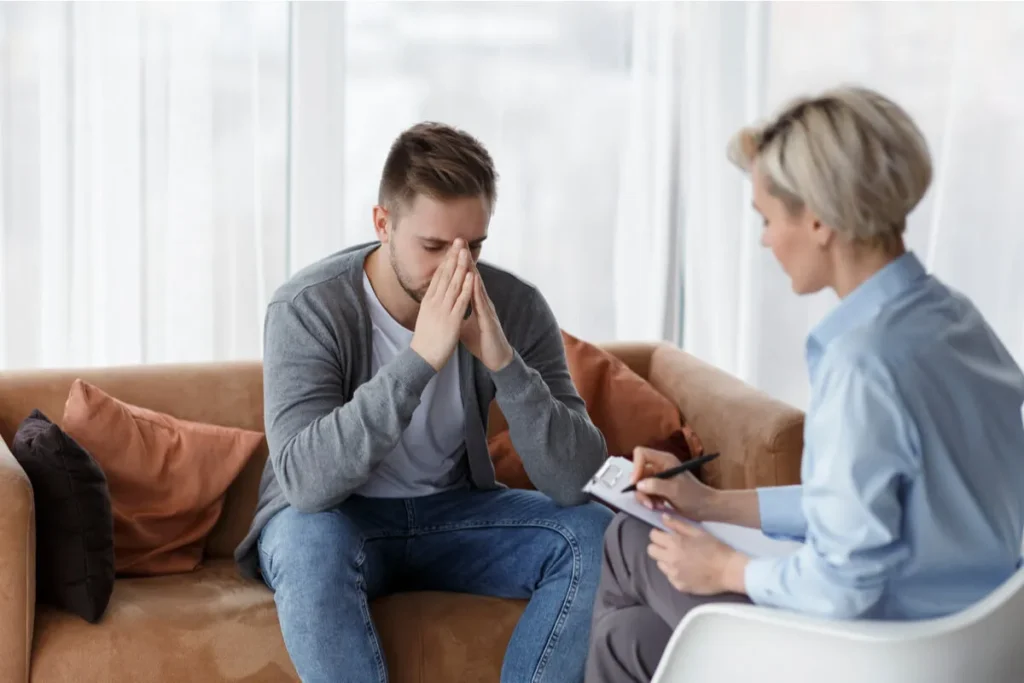
Immediate Coping Techniques to Calm an Attack
When an anxiety attack begins, rapid, grounding actions can reduce its intensity. Below are evidence‑based techniques you can practice anywhere, whether you’re at your desk or in a crowded train.
Breathing Control
- 4‑7‑8 breathing: Inhale through the nose for 4 seconds, hold for 7, exhale slowly for 8.
- Box breathing: Inhale 4 seconds, hold 4, exhale 4, hold 4; repeat 4‑5 cycles.
Grounding Exercises
Grounding helps redirect attention from internal sensations to external reality.
- 5‑4‑3‑2‑1 method: Identify 5 things you see, 4 you can touch, 3 you hear, 2 you smell, 1 you taste.
- Carry a small textured object (e.g., smooth stone) to focus on tactile sensations.
Progressive Muscle Relaxation (PMR)
PMR involves tensing each muscle group for 5 seconds, then releasing. Start at the feet and work upward, noticing the contrast between tension and relaxation.
| Technique | Time Required | Best Setting |
|---|---|---|
| 4‑7‑8 Breathing | 1‑2 minutes | Any location, discreet |
| 5‑4‑3‑2‑1 Grounding | 2‑3 minutes | Public spaces, noisy environments |
| Progressive Muscle Relaxation | 5‑10 minutes | Quiet room or private area |
Practice these methods regularly, not only during an episode, to build a mental “muscle memory” that activates automatically when anxiety spikes.
Lifestyle Strategies for Long‑Term Anxiety Management
Short‑term relief is valuable, but reducing the overall frequency of anxiety attacks requires consistent lifestyle adjustments. Below are core areas to focus on.
Sleep Hygiene
- Maintain a regular sleep schedule—go to bed and wake up at the same time daily.
- Limit caffeine and electronic screens at least two hours before bedtime.
- Create a calming pre‑sleep routine (e.g., reading, gentle stretching).
Nutrition
Blood‑sugar fluctuations can trigger anxiety symptoms. Aim for balanced meals that include protein, complex carbs, and healthy fats.
- Include omega‑3 rich foods (salmon, walnuts) to support brain health.
- Stay hydrated; dehydration can exacerbate nervous system arousal.
- Limit processed sugars and excessive alcohol.
Physical Activity
Regular exercise releases endorphins, which naturally lower stress hormones.
- Engage in moderate aerobic activity (walking, cycling) at least 150 minutes per week.
- Incorporate strength training twice weekly to improve overall resilience.
- Try yoga or tai chi for combined movement and mindfulness.
Mindfulness and Relaxation Practices
- Daily meditation (5‑10 minutes) using guided apps or simple breath focus.
- Journaling to track triggers, thoughts, and progress.
- Progressive relaxation or body scan techniques before sleep.
Integrating these habits creates a supportive environment for your nervous system, making it less prone to sudden spikes.
When Professional Help Is Needed
While self‑help tools are powerful, some individuals require additional support. Recognizing when to seek professional assistance is a key component of how to deal with anxiety attacks responsibly.
Therapeutic Approaches
- Cognitive‑Behavioral Therapy (CBT): Identifies and restructures negative thought patterns that fuel anxiety.
- Exposure Therapy: Gradual, controlled exposure to feared situations reduces avoidance.
- Acceptance and Commitment Therapy (ACT): Encourages acceptance of anxiety sensations while committing to valued actions.
Medication Options
Medication may be prescribed when anxiety attacks are frequent or severely impairing.
| Medication Class | Typical Use | Common Side Effects |
|---|---|---|
| SSRIs (e.g., sertraline) | Long‑term anxiety disorder management | Nausea, insomnia, sexual dysfunction |
| Benzodiazepines (e.g., lorazepam) | Acute relief for severe attacks | Drowsiness, dependence risk |
| Buspirone | Generalized anxiety, less sedating | Dizziness, headache |
Integrative Care at Gold City Medical Center
Our multidisciplinary team combines conventional psychiatry with complementary therapies such as biofeedback, nutritional counseling, and stress‑reduction programs. This holistic approach tailors treatment to each individual’s medical history and lifestyle.
If you notice any of the following, consider scheduling an appointment:
- Attacks occurring more than twice a week
- Interference with work, relationships, or daily functioning
- Physical symptoms that persist after the emotional episode ends
Early intervention can prevent escalation and improve overall quality of life.
Building a Personal Support Plan
A personalized plan empowers you to act confidently during an anxiety attack and reduces future occurrences. Below is a step‑by‑step template you can adapt.
Step 1: Identify Triggers
Keep a simple log for two weeks noting situations, thoughts, and physical sensations that precede an attack.
Step 2: Create a Coping Toolbox
- Printed list of breathing and grounding techniques
- Small sensory object (e.g., smooth stone, scented lotion)
- Emergency contact numbers (friend, therapist, crisis line)
Step 3: Develop an Action Timeline
| Time After Onset | Action | Goal |
|---|---|---|
| 0‑2 minutes | Begin 4‑7‑8 breathing | Reduce heart rate |
| 2‑5 minutes | Apply 5‑4‑3‑2‑1 grounding | Shift focus outward |
| 5‑10 minutes | Use progressive muscle relaxation | Release muscular tension |
| 10+ minutes | Contact support person if needed | Ensure emotional safety |
Step 4: Review and Adjust
Revisit your plan monthly. Note which strategies worked best and refine the list accordingly. Involving a mental‑health professional in this review can enhance effectiveness.
Having a concrete, rehearsed plan reduces uncertainty, which itself is a major anxiety trigger.
Why Choose Gold City Medical Center
Gold City Medical Center offers an integrative approach that blends evidence‑based medical treatments with personalized wellness programs. Our team of experienced physicians, psychologists, and beauty specialists works collaboratively to address both the physical and emotional aspects of anxiety. With state‑of‑the‑art facilities and a focus on holistic health, we create tailored plans that respect your unique lifestyle and goals. Whether you need a quick consultation, ongoing therapy, or complementary therapies such as biofeedback, our center provides a supportive environment for lasting relief.
Ready to take control of anxiety attacks and start feeling calmer today? Contact Gold City Medical Center to schedule a confidential consultation and discover a personalized path to wellbeing.
Call us or fill out our online form – our caring team is here to guide you every step of the way.
FAQ
What are the early physical signs of an anxiety attack?
Common early physical signs include rapid heartbeat, shortness of breath, chest tightness, sweating, trembling, and gastrointestinal upset.
How can grounding exercises help during an anxiety attack?
Grounding redirects attention to external sensations, reducing the intensity of panic and helping you stay present.
What breathing pattern is most effective for calming an anxiety attack?
The 4‑7‑8 breathing technique is simple and effective for rapid calming.
Which lifestyle changes can lower the frequency of anxiety attacks?
Consistent sleep hygiene, balanced nutrition, regular exercise, and daily mindfulness are key lifestyle adjustments.
When should someone seek professional help for anxiety attacks?
Seek professional help if attacks occur more than twice a week, impair daily functioning, or cause persistent physical symptoms.





