Learning how to fight depression is the first step toward reclaiming a brighter, more balanced life. Depression affects millions worldwide, yet many feel isolated because they lack clear guidance on practical actions they can take.
According to recent research, approximately 1 in 5 adults will experience a depressive episode in their lifetime, and early intervention can reduce the severity and duration of symptoms. This article explores evidence‑based methods, ranging from everyday lifestyle adjustments to professional treatments, that empower you to manage depressive moods effectively.
We will examine the underlying causes, identify warning signs, and provide actionable strategies you can implement today. Whether you are dealing with clinical depression, seasonal affective disorder, or occasional low mood, the information here is designed to help you take control of your mental health.
Understanding Depression: Causes and Symptoms
Depression is a complex mood disorder that manifests through a combination of biological, psychological, and social factors. Recognizing the full spectrum of depression symptoms is essential for early detection and timely help.
Common Physical and Emotional Indicators
- Persistent sadness or emptiness
- Loss of interest in previously enjoyable activities
- Changes in appetite or weight
- Sleep disturbances – insomnia or oversleeping
- Fatigue and low energy
- Feelings of worthlessness or excessive guilt
- Difficulty concentrating or making decisions
- Thoughts of death or suicide
Key Risk Factors
Several factors increase the likelihood of developing depression, including a family history of mood disorders, chronic medical conditions, substance misuse, and significant life stressors such as bereavement or divorce. Understanding these risk factors helps clinicians tailor depression treatment plans that address the root causes.
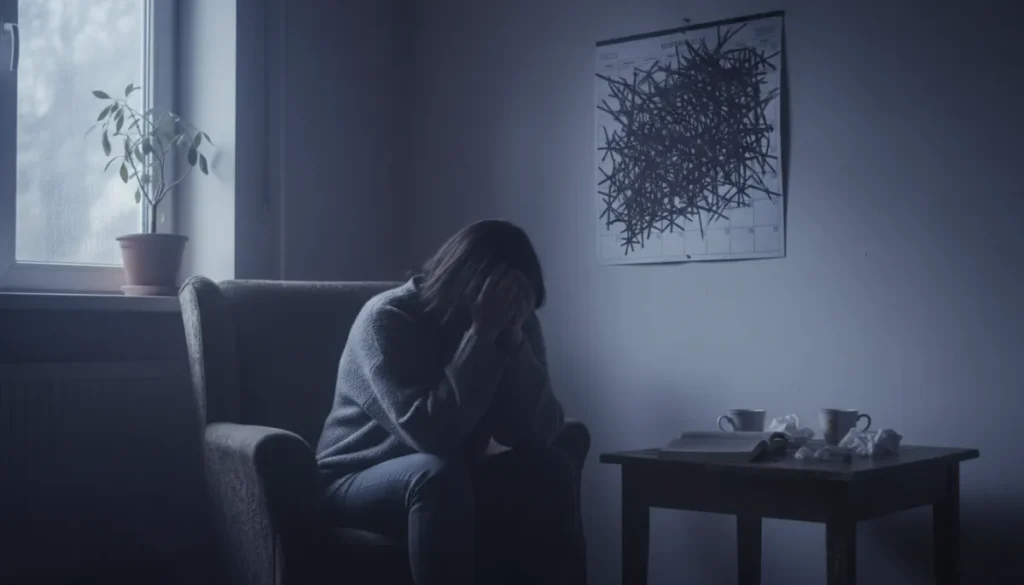
Below is a concise comparison of how different depression types present their symptoms:
| Type | Primary Symptoms | Typical Triggers |
|---|---|---|
| Major Depressive Disorder | Severe sadness, loss of interest, suicidal thoughts | Genetic predisposition, major life events |
| Seasonal Affective Disorder | Low energy, oversleeping, carbohydrate cravings | Reduced daylight during winter months |
| Postpartum Depression | Intense anxiety, irritability, detachment from baby | Hormonal changes after childbirth |
Lifestyle Changes to Combat Depression
Simple adjustments to daily routines can have a profound impact on mood and are often recommended as first‑line strategies for how to fight depression without immediate reliance on medication.
Physical Activity
Regular exercise releases endorphins, which act as natural mood elevators. Even moderate activities such as brisk walking, cycling, or yoga for 30 minutes a day have been shown to reduce depressive symptoms.
Nutrition and Hydration
A balanced diet rich in omega‑3 fatty acids, whole grains, and antioxidants supports brain health. Limiting processed sugars and caffeine can stabilize energy levels and prevent mood swings.
Sleep Hygiene
Consistent sleep patterns are crucial. Aim for 7‑9 hours of quality sleep, keep the bedroom dark and cool, and avoid screens at least an hour before bedtime.
- Set a regular wake‑up time, even on weekends.
- Create a calming pre‑sleep routine (e.g., reading, gentle stretching).
- Limit alcohol and nicotine, as they disrupt sleep architecture.
Incorporating these habits creates a supportive foundation that can amplify the effectiveness of other therapeutic interventions.
Professional Treatments and Therapies
When lifestyle modifications are insufficient, professional depression treatment becomes essential. A range of evidence‑based therapies can be tailored to individual needs.
Cognitive‑Behavioral Therapy (CBT)
CBT helps patients identify and challenge negative thought patterns, replacing them with realistic, positive alternatives. Studies consistently show CBT reduces depressive severity and prevents relapse.
Medication Options
Selective serotonin reuptake inhibitors (SSRIs) and serotonin‑norepinephrine reuptake inhibitors (SNRIs) are commonly prescribed. Medication should be managed by a qualified psychiatrist, with regular monitoring for side effects.
Integrated Care Models
Combining psychotherapy with medical oversight, nutrition counseling, and physical activity programs yields the best outcomes. For patients with co‑occurring anxiety, integrated approaches address both conditions simultaneously.
Below is a brief overview of common therapeutic modalities:
| Therapy | Focus | Typical Duration | Evidence Level |
|---|---|---|---|
| Cognitive‑Behavioral Therapy | Thought restructuring | 12‑20 weeks | High |
| Interpersonal Therapy | Relationship patterns | 12‑16 weeks | Moderate |
| Medication (SSRIs) | Neurochemical balance | Variable | High |
| Electroconvulsive Therapy (ECT) | Severe, treatment‑resistant cases | Several sessions | High |
Choosing the right combination depends on severity, personal preferences, and any co‑existing conditions such as anxiety or bipolar disorder.
Natural and Complementary Approaches
Many individuals seek additional ways to fight depression naturally, often alongside conventional treatments. Complementary methods can enhance mood regulation and overall wellbeing.
Mindfulness and Meditation
Practicing mindfulness reduces rumination and promotes emotional regulation. Even five minutes of daily meditation can lower stress hormones and improve mood stability.
Light Therapy for Seasonal Depression
Bright‑light boxes simulate natural sunlight, helping to reset circadian rhythms. For those experiencing winter blues, 20‑30 minutes of exposure each morning can alleviate symptoms.
Herbal Supplements
St. John’s wort, omega‑3 fish oil, and S‑adenosyl‑methionine (SAMe) have shown modest benefits in some studies. Always consult a healthcare professional before adding supplements, especially if you are taking prescription medication.
- Start with a low dose and monitor mood changes.
- Choose reputable brands with third‑party testing.
- Report any adverse effects to your provider.
While these strategies are promising, they should complement—not replace—evidence‑based medical care when depression is moderate to severe.
Building Long‑Term Resilience and Support
Sustaining progress requires ongoing effort and a supportive environment. Developing resilience helps you maintain mental health gains and reduces the risk of future depressive episodes.
Social Connections
Strong relationships provide emotional buffering. Regularly engage with friends, family, or support groups to share experiences and receive encouragement.
Goal Setting and Purpose
Setting realistic, achievable goals fosters a sense of accomplishment. Even small milestones—like completing a household task or learning a new skill—can boost self‑esteem.
Professional Follow‑Up
Continued appointments with mental health providers allow for monitoring, medication adjustments, and early identification of warning signs.
Below is a quick checklist for maintaining mental wellness:
- Schedule weekly check‑ins with a therapist or counselor.
- Maintain a gratitude journal to focus on positive experiences.
- Practice regular physical activity and balanced nutrition.
- Stay connected with a trusted social network.
- Seek help immediately if suicidal thoughts emerge.
By integrating these habits into daily life, you create a robust framework that supports long‑term emotional health.
Why Choose Gold City Medical Center
Gold City Medical Center offers an integrative approach that blends modern medical expertise with personalized care. Our multidisciplinary team includes psychiatrists, psychologists, nutritionists, and wellness specialists who work together to create tailored treatment plans.
We prioritize evidence‑based therapies while also respecting individual preferences for natural and complementary options. Whether you are seeking medication management, psychotherapy, or holistic support, our center provides a safe, confidential environment dedicated to your mental wellbeing.
Ready to start your journey toward a brighter mood? Contact Gold City Medical Center today to schedule a comprehensive assessment and discover the personalized strategies that work best for you.
Take the first step—call now or visit our clinic to begin feeling better.
FAQ
What are the common symptoms of depression?
Depression often includes persistent sadness, loss of interest, sleep and appetite changes, fatigue, feelings of worthlessness, and thoughts of death.
How can lifestyle changes help fight depression?
Regular exercise, balanced nutrition, and good sleep hygiene can boost mood‑enhancing neurotransmitters and reduce depressive symptoms.
What is Cognitive‑Behavioral Therapy and how does it treat depression?
CBT helps patients identify and reframe negative thoughts, reducing depressive feelings and preventing relapse.
When should medication be considered for depression?
Medication is recommended for moderate to severe depression, or when symptoms persist despite lifestyle and therapeutic interventions.
Are natural supplements effective for depression?
Some supplements like St. John’s wort, omega‑3 fish oil, and SAMe show modest benefits, but they should be used under medical supervision.
How does light therapy work for seasonal affective disorder?
Light therapy mimics natural sunlight, resetting circadian rhythms and boosting mood‑regulating neurotransmitters.





