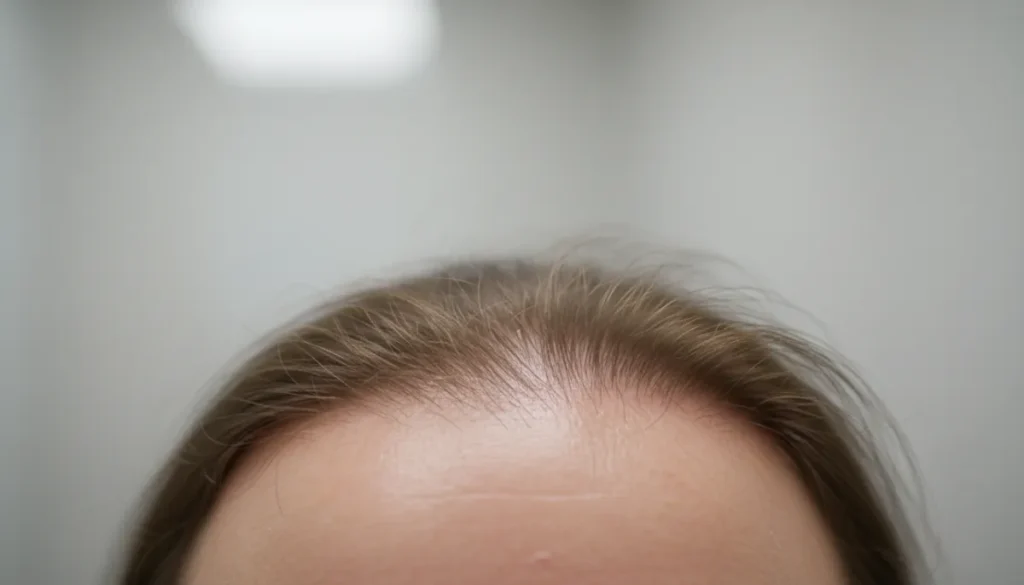
Many people wonder how to make my hairline grow, especially when the front of the scalp begins to thin. This article explains the science behind hairline loss, outlines medical and non‑invasive treatments, and provides practical lifestyle tips that support natural hair growth. In the United States, about 30 million men and women experience noticeable receding hairlines before the age of 35, making it one of the most common cosmetic concerns.
Understanding why the hairline retreats is the first step toward effective restoration. Whether the cause is genetic, hormonal, or environmental, each factor influences the follicles differently. By addressing the root causes, you can create a personalized plan that not only stops further recession but also encourages new growth.
In the sections that follow, we will explore proven medical procedures, the rising popularity of red light therapy, and everyday habits that can boost hair density. Armed with this knowledge, you’ll be better equipped to decide how to make my hairline grow back confidently and sustainably.
Understanding Hairline Loss and Its Causes
Before tackling the question of how to make my hairline grow, it’s essential to recognize the underlying mechanisms that lead to a receding hairline. Hair follicles cycle through growth (anagen), transition (catagen), and rest (telogen) phases. Disruptions in this cycle, often triggered by genetics or lifestyle factors, result in thinning at the frontal scalp.
Common contributors include:
- Genetic predisposition (androgen‑dependent miniaturization)
- Hormonal fluctuations, especially elevated dihydrotestosterone (DHT)
- Chronic stress and poor sleep quality
- Nutrient deficiencies, such as iron, zinc, and biotin
- Excessive heat styling or harsh chemical treatments
Identifying which of these factors applies to you can guide the selection of appropriate interventions. For example, individuals with a strong family history may benefit more from medication, while those whose hairline recedes due to stress might see improvement with lifestyle changes.
Clinical assessment often begins with a detailed scalp examination and, when necessary, a trichogram or dermatoscopic analysis. These tools help clinicians map the density and health of existing follicles, providing a baseline for monitoring progress as you explore ways to make my hairline grow.
Proven Medical Treatments for Hairline Restoration
When you ask how to make my hairline grow, medical options often provide the most reliable and measurable results. Below is a comparison of the most widely used procedures, each with distinct benefits and considerations.
| Treatment | Mechanism | Typical Sessions | Success Rate | Key Considerations |
|---|---|---|---|---|
| Hair Transplant (FUE or FUT) | Redistribution of healthy donor follicles to the frontal scalp | 1‑2 surgeries | 80‑95 % graft survival | Invasive, requires post‑operative care, permanent results |
| Platelet‑Rich Plasma (PRP) Injections | Growth‑factor‑rich plasma stimulates follicle activity | 3‑6 monthly sessions | 30‑60 % improvement in density | Minimally invasive, may need ongoing maintenance |
| Finasteride (Oral) | Blocks conversion of testosterone to DHT | Daily oral dose | 70‑85 % patients see reduced loss | Potential sexual side effects, requires long‑term use |
| Topical Minoxidil | Vasodilator that prolongs the anagen phase | Twice‑daily application | 40‑55 % experience modest regrowth | Skin irritation possible, continuous use needed |
Hair transplantation remains the gold standard for those seeking a permanent solution, especially when the donor area is robust. For patients hesitant about surgery, PRP combined with topical minoxidil can create a synergistic effect that encourages existing follicles to thicken.
When considering any medical approach, a thorough consultation with a qualified specialist is crucial. This ensures that the chosen therapy aligns with your health profile and aesthetic goals, ultimately answering the question of how to make my hairline grow in a safe, evidence‑based manner.
Non‑Invasive Options: Red Light Therapy and LED Light Treatments
Among the many ways to make my hairline grow, red light therapy has gained attention for its non‑invasive nature and growing body of scientific support. This modality uses low‑level wavelengths (typically 630‑670 nm) to stimulate cellular metabolism in the scalp, a process known as photobiomodulation.
Key benefits of red light therapy for hair include:
- Enhanced mitochondrial activity leading to increased ATP production
- Reduced inflammation around hair follicles
- Improved blood flow delivering nutrients and oxygen
- Stimulation of stem cells that may trigger new follicle formation
Clinical studies report that regular sessions (3‑5 times per week for 12‑24 weeks) can lead to measurable increases in hair density and thickness, especially when combined with other treatments such as minoxidil. Devices range from handheld red light masks to larger panels that cover the entire scalp.
When selecting a device, look for:
- Clinically validated wavelengths (630‑670 nm)
- Power density of at least 5 mW/cm²
- Safety certifications (CE, FDA 510(k) if applicable)
While red light therapy is generally safe, it is advisable to follow manufacturer guidelines and consult a dermatologist if you have photosensitive conditions. Incorporating this technology can be an effective component of a comprehensive strategy to answer how to make my hairline grow without surgery.
Lifestyle and Natural Strategies to Support Hair Growth
Even with advanced medical options, everyday habits play a pivotal role in how to make my hairline grow sustainably. Nutrition, stress management, and scalp care can either reinforce or undermine the results of clinical treatments.
Here are evidence‑based lifestyle actions that promote a healthy hairline:
- Balanced Diet: Prioritize protein‑rich foods, omega‑3 fatty acids, and micronutrients such as iron, zinc, and vitamin D.
- Scalp Massage: Gentle circular motions for 5‑10 minutes daily stimulate blood flow and may enhance follicle activity.
- Adequate Sleep: Aim for 7‑9 hours per night; growth hormone released during deep sleep supports tissue regeneration.
- Stress Reduction: Practices like meditation, yoga, or regular exercise lower cortisol, which can otherwise accelerate hair loss.
- Avoid Harsh Styling: Reduce heat, tight hairstyles, and chemical treatments that weaken the hair shaft.
In addition to these habits, certain supplements have shown promise. Biotin (2.5 mg daily), saw‑palmetto extract, and marine‑derived collagen peptides may complement other therapies, though they should be taken after consulting a healthcare professional.
Combining these natural strategies with medical or light‑based treatments creates a synergistic environment, offering a holistic answer to how to make my hairline grow while maintaining overall well‑being.
Why Choose Gold City Medical Center
Gold City Medical Center combines cutting‑edge technology with a personalized, integrative approach to hair restoration. Our team of board‑certified dermatologists and hair‑transplant surgeons leverages both proven medical treatments and innovative therapies such as red light photobiomodulation. By focusing on each patient’s unique medical history and aesthetic goals, we deliver safe, effective solutions that align with the latest scientific evidence. Trust a center that prioritizes comprehensive care, ongoing research, and compassionate service.
Ready to start your journey toward a fuller hairline? Contact Gold City Medical Center today to schedule a personalized consultation and discover the most effective treatment plan for you.
FAQ
What are the main causes of a receding hairline?
Genetics, hormonal changes (especially DHT), stress, nutrient deficiencies, and harsh styling are the primary causes.
How effective are hair transplants for restoring a hairline?
Hair transplants have an 80‑95% graft survival rate and provide permanent, natural‑looking results.
Can red light therapy help my hairline grow without surgery?
Yes, red light therapy can boost hair density by stimulating cellular metabolism and blood flow.
What role does nutrition play in hairline growth?
A balanced diet rich in protein, omega‑3s, iron, zinc, and vitamin D supports healthy hair follicles.
How do PRP injections work for hairline restoration?
PRP delivers growth factors that stimulate dormant follicles and increase hair density.
Is finasteride safe for long‑term use to prevent hair loss?
Finasteride is effective for most users, but potential sexual side effects require monitoring.





