If you’re looking for how to relieve lower back pain, you’ve come to the right place. Lower back discomfort affects millions of people worldwide, and understanding the most effective strategies can dramatically improve daily comfort and mobility. In this article we will explore the underlying causes, demonstrate targeted stretches and strengthening moves, suggest lifestyle adjustments, and outline both home‑based and professional treatments that can help you find lasting relief.
According to recent health surveys, up to 80 % of adults experience lower back pain at some point in their lives, with many reporting that the pain interferes with work, sleep, and recreational activities. The good news is that most cases are manageable with non‑invasive methods, especially when you adopt a proactive approach early on.
We’ll guide you through evidence‑based exercises, ergonomic tips, and practical remedies, all tailored to support the natural healing capacity of your back. Whether you’re dealing with occasional soreness or chronic discomfort, these strategies can help you regain control and enjoy a pain‑free routine.
Understanding the Causes of Lower Back Pain
Before diving into relief techniques, it’s essential to recognize why lower back pain occurs. The lumbar region bears a substantial portion of the body’s weight and is vulnerable to strain from poor posture, repetitive motions, and sudden injuries. Common contributors include muscular imbalances, disc degeneration, spinal misalignments, and inflammation of the surrounding ligaments.
Key factors often involved are:
- Weak lower back muscles that fail to support the spine during lifting or twisting.
- Excessive sitting, especially on non‑ergonomic chairs, leading to tightened hip flexors.
- Improper lifting techniques that place undue stress on the lumbar discs.
- Obesity, which adds extra load to the spinal structures.
Understanding these triggers allows you to tailor interventions that address the root cause rather than merely masking symptoms. For many individuals, a combination of corrective exercises and ergonomic changes can reverse the cycle of pain.
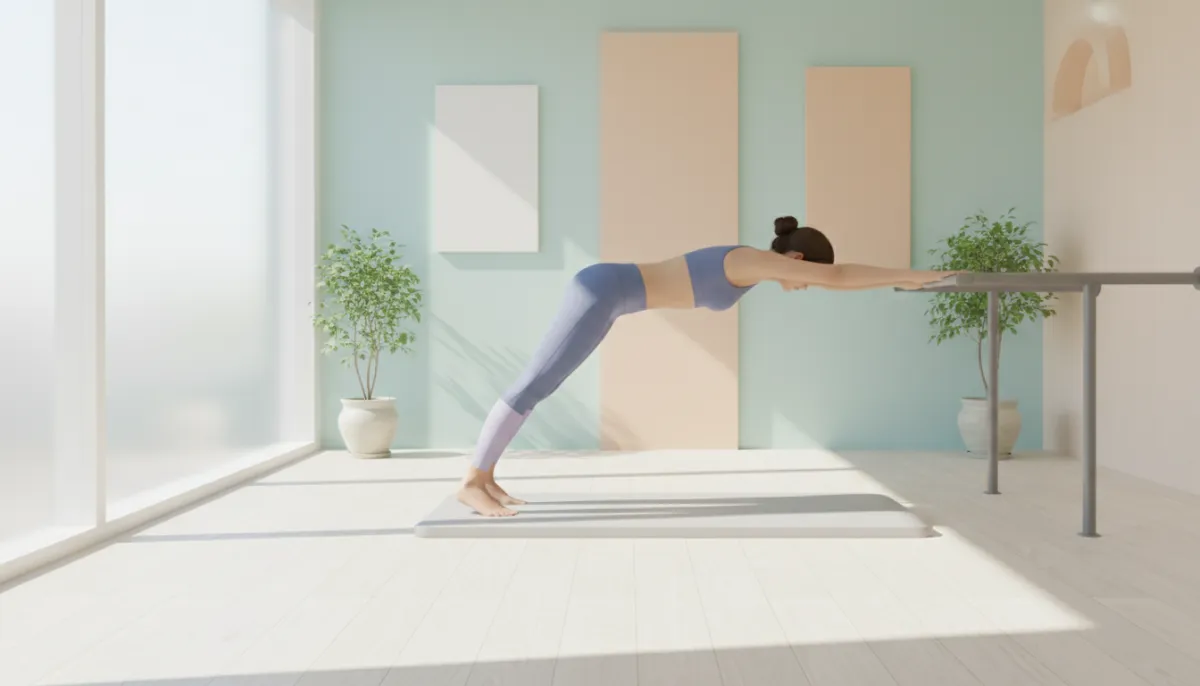
Stretching and Strengthening Exercises for Relief
Targeted movement is one of the most effective ways to alleviate discomfort and prevent future episodes. Incorporating a routine of lower back stretches and core‑strengthening exercises can improve flexibility, enhance muscular support, and promote better spinal alignment.
Essential Stretches
Perform each stretch gently, holding for 20‑30 seconds and repeating 2‑3 times on each side. Consistency is key; aim for a daily practice.
- Knee‑to‑Chest Stretch: Lie on your back, pull one knee toward your chest, keep the opposite leg extended. Feel the gentle stretch in the lumbar region.
- Cat‑Cow Pose: On hands and knees, alternate arching and rounding your back to mobilize the spine.
- Child’s Pose: From a kneeling position, sit back onto your heels, stretch arms forward, and relax the lower back.
- Piriformis Stretch: Sit, cross one ankle over the opposite knee, and gently lean forward to target the glutes and sciatic nerve.
Strengthening Moves
Building a stable core reduces the load on the lumbar spine. Include these exercises 2‑3 times per week:
| Exercise | Repetitions | Key Benefits |
|---|---|---|
| Bird‑Dog | 12 per side | Improves spinal stability and engages deep back muscles. |
| Bridge | 15 | Strengthens glutes and lower back extensors. |
| Plank (Forearm) | 30‑60 seconds | Engages entire core, supporting lumbar posture. |
| Side‑Plank | 30 seconds per side | Targets obliques and lateral stabilizers. |
When performed correctly, these back exercises not only relieve existing pain but also build resilience against future strain. Remember to breathe steadily and avoid any movement that causes sharp discomfort.
Lifestyle Adjustments and Ergonomic Tips
Even the best exercise regimen can be undermined by daily habits that perpetuate tension. Simple modifications to your environment and routine can dramatically reduce the strain on your lower back.
Workstation Ergonomics
Set up your desk to promote a neutral spine:
- Chair height: thighs parallel to the floor, feet flat.
- Monitor at eye level to avoid forward head posture.
- Use a lumbar roll or cushion to maintain the natural curve.
- Take micro‑breaks every 30 minutes—stand, stretch, or walk for a minute.
Daily Habits
Incorporate these practices to protect your back throughout the day:
- Engage your core when lifting; bend at the knees, not the waist.
- Carry bags close to the body and distribute weight evenly.
- Maintain a healthy weight to lessen compressive forces on the spine.
- Stay hydrated; intervertebral discs rely on fluid for cushioning.
Adopting these ergonomic principles can complement the lower back stretches you already perform, creating a holistic approach to pain management.
Home Remedies and Over‑the‑Counter Options
When pain spikes, simple home‑based strategies can provide quick relief while you await the longer‑term benefits of exercise and posture correction.
Heat and Cold Therapy
Apply a cold pack for the first 24‑48 hours after an acute flare‑up to reduce inflammation. Follow with a warm compress or heating pad to relax tight muscles and improve blood flow.
Topical Analgesics
Over‑the‑counter creams containing menthol, camphor, or capsaicin can offer temporary numbness and a soothing sensation. These products are especially useful for localized soreness.
Gentle Mobility Aids
Using a lumbar roll while seated or a supportive pillow while sleeping can maintain spinal alignment throughout the night. A firm mattress that distributes weight evenly is also beneficial.
While these measures can alleviate symptoms, they should be paired with the longer‑term strategies outlined earlier for sustainable relief.
Professional Care: Physiotherapy, Medications, and When to Seek Help
While self‑care is effective for many, certain situations warrant professional intervention. Persistent pain that lasts more than six weeks, radiating leg pain, or numbness should be evaluated by a qualified practitioner.
Physiotherapy and Manual Therapy
Trained physiotherapists can design personalized programs that combine manual mobilization, targeted exercises, and education on body mechanics. Techniques such as spinal manipulation, myofascial release, and supervised core training have shown high success rates in reducing chronic lower back pain.
Medical Treatments
When inflammation is significant, a physician may prescribe non‑steroidal anti‑inflammatory drugs (NSAIDs) or muscle relaxants. In more complex cases, imaging (MRI or CT) can identify disc herniation or nerve compression, guiding interventions like epidural steroid injections or, rarely, surgery.
When to Consult Gold City Medical Center
Our integrative approach blends conventional medicine with complementary therapies, ensuring a comprehensive plan that addresses both symptoms and underlying causes. If you’re experiencing severe discomfort, difficulty moving, or any red‑flag symptoms, schedule a consultation to explore tailored treatment options.
Why Choose Gold City Medical Center
Gold City Medical Center combines cutting‑edge medical expertise with a holistic philosophy, offering personalized care for back health, beauty, and hair restoration. Our team of experienced physicians and therapists works together to create integrative treatment plans that prioritize your well‑being. With state‑of‑the‑art facilities and a patient‑centered approach, we help you achieve lasting relief and a higher quality of life.
Ready to take control of your lower back pain? Contact Gold City Medical Center today to schedule a comprehensive assessment and start your personalized recovery plan.
Experience professional care that blends science and compassion—your path to a pain‑free life begins now.
FAQ
What are the most effective stretches for lower back pain?
Key stretches include the Knee‑to‑Chest, Cat‑Cow, Child’s Pose, and Piriformis stretch, each held for 20‑30 seconds and repeated 2‑3 times per side.
How can core strengthening exercises help alleviate lower back pain?
Core exercises stabilize the spine, reduce load on lumbar discs, and improve posture, which collectively lessen pain and prevent future injuries.
What ergonomic adjustments can I make at my workstation to protect my lower back?
Set chair height so thighs are parallel to the floor, keep feet flat, place the monitor at eye level, use a lumbar roll, and take micro‑breaks every 30 minutes.
When should I consider professional care for my lower back pain?
Seek professional help if pain persists longer than six weeks, radiates down the leg, or is accompanied by numbness, weakness, or loss of bladder control.
How do heat and cold therapy differ in treating lower back pain?
Cold therapy reduces inflammation during the first 24‑48 hours of an acute flare‑up, while heat therapy relaxes muscles and improves blood flow after the initial inflammation subsides.
What home remedies can I use for quick relief from lower back pain?
Home remedies include applying heat or cold packs, using topical analgesic creams, employing lumbar rolls or supportive pillows, and staying hydrated to support disc health.





