Many women notice a sudden increase in shedding as they enter menopause, and they often wonder how to stop menopausal hair loss. Understanding the underlying causes is the first step toward effective solutions. In this article we explore hormonal shifts, lifestyle factors, medical treatments, and natural remedies that can help you regain confidence and a fuller head of hair.
According to recent studies, up to 40 % of post‑menopausal women experience noticeable hair thinning, making it one of the most common cosmetic concerns during this life stage. The good news is that a combination of targeted therapies and simple daily habits can dramatically improve hair density.
We will cover the science behind hair loss during menopause, practical steps you can implement today, and the range of professional options available at Gold City Medical Center. Whether you prefer medical interventions, nutritional support, or a blend of both, you will find actionable advice to stop the cycle of shedding.
Understanding Menopausal Hair Loss: Hormonal Changes and Root Causes
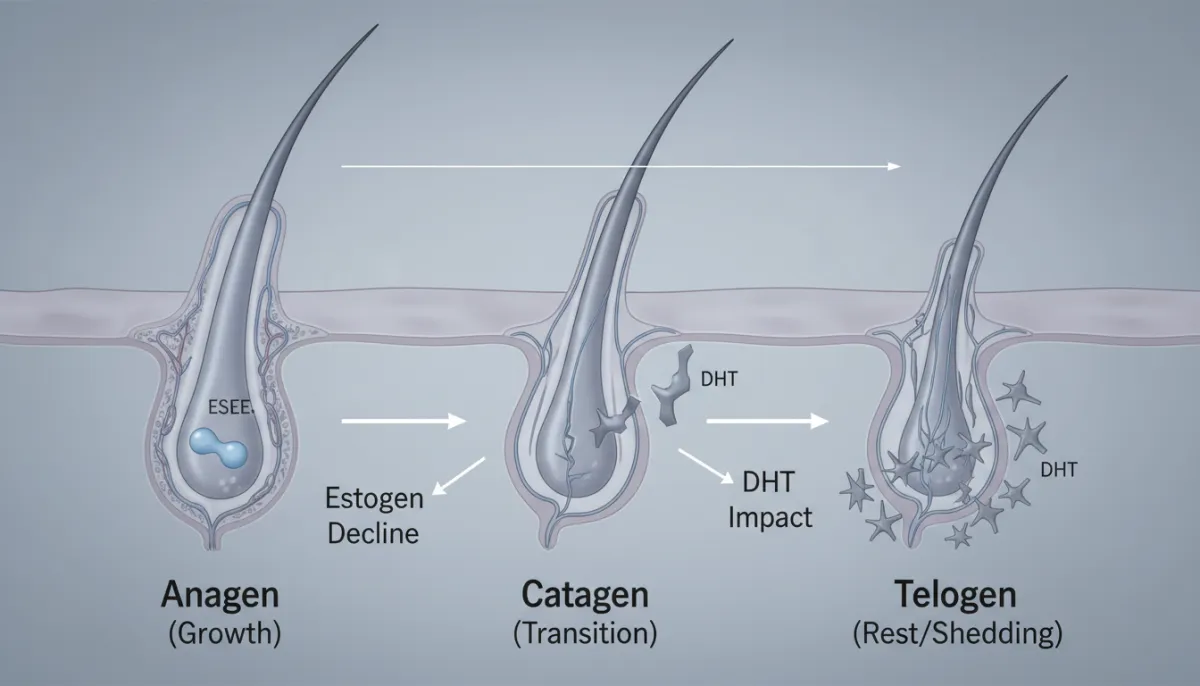
The transition to menopause brings a decline in estrogen and progesterone, hormones that play a crucial role in maintaining the hair growth cycle. When these levels drop, the relative influence of dihydrotestosterone (DHT) increases, leading to follicular mini‑miniaturization and eventually to thinning strands.
Key factors that contribute to menopausal hair loss include:
- Reduced estrogen and progesterone production
- Elevated DHT activity on hair follicles
- Iron deficiency and other micronutrient shortfalls
- Stress‑induced telogen effluvium
- Underlying medical conditions such as thyroid disorders
Recognizing these triggers helps you target the right treatment. For example, a blood test revealing low ferritin can guide iron supplementation, while a hormonal panel may indicate the need for bioidentical hormone therapy.
Below is a quick comparison of the most common internal causes of hair thinning during menopause:
| Cause | Typical Signs | Recommended Test |
|---|---|---|
| Estrogen decline | Diffuse thinning, especially on the crown | Serum estradiol level |
| Iron deficiency | Hair breakage, fatigue | Ferritin and CBC |
| Thyroid imbalance | Dry skin, weight changes | TSH, Free T4 |
| Stress (telogen effluvium) | Sudden shedding, diffuse loss | Clinical history |
Lifestyle Adjustments to Reduce Hair Thinning
Everyday habits can either exacerbate or alleviate hair loss. Simple modifications often produce noticeable improvements without the need for prescription medication.
Nutrition and Hydration
Eating a balanced diet rich in protein, omega‑3 fatty acids, zinc, and biotin supports keratin production. Incorporate foods such as salmon, walnuts, eggs, spinach, and legumes. Staying well‑hydrated also ensures optimal scalp circulation.
Stress Management
Chronic stress elevates cortisol, which can push hair follicles into the resting phase. Practices like mindfulness meditation, yoga, and regular aerobic exercise have been shown to lower cortisol levels and promote healthier hair growth.
Scalp Care
A gentle scalp massage with a light oil (e.g., rosemary or jojoba) stimulates blood flow. Avoid harsh shampoos containing sulfates and opt for sulfate‑free, pH‑balanced formulas.
Here is a concise checklist of daily habits to support hair health during menopause:
- Consume at least 1 gram of protein per kilogram of body weight daily.
- Take a high‑quality multivitamin that includes zinc, selenium, and biotin.
- Limit caffeine and alcohol, which can dehydrate the scalp.
- Practice a 10‑minute scalp massage each evening.
- Engage in 30 minutes of moderate exercise most days of the week.
Medical Treatments and Therapies Available
When lifestyle changes are insufficient, medical interventions can provide a faster and more pronounced response. Several FDA‑approved and clinically validated options are commonly used for hair loss treatment for women during menopause.
Topical Minoxidil
Minoxidil 2 % or 5 % solution is the only topical medication approved for female pattern hair loss. It works by prolonging the anagen (growth) phase and increasing follicular size. Studies show a 30‑40 % improvement in hair density after six months of consistent use.
Platelet‑Rich Plasma (PRP)
PRP therapy involves drawing a small amount of the patient’s blood, concentrating platelets, and injecting them into the scalp. Growth factors released from platelets stimulate dormant follicles and improve vascular supply. Results typically appear after three to four sessions spaced four weeks apart.
Low‑Level Laser Therapy (LLLT)
LLLT devices emit red light wavelengths that enhance cellular metabolism in hair follicles. At‑home laser caps and in‑clinic hoods have demonstrated modest gains in hair thickness with regular use.
Hormone Replacement Therapy (HRT)
For women experiencing severe estrogen deficiency, transdermal or oral HRT can rebalance hormone levels and indirectly reduce DHT‑related miniaturization. HRT should be personalized and monitored by a qualified physician.
Below is a comparison of these medical options based on efficacy, cost, and typical treatment duration:
| Treatment | Typical Efficacy | Cost (EUR) | Duration |
|---|---|---|---|
| Minoxidil (topical) | 30‑40 % improvement | 30‑50 per month | 6‑12 months |
| PRP injections | 40‑60 % improvement | 400‑800 per session | 3‑4 sessions |
| LLLT (clinic) | 20‑30 % improvement | 1,200‑2,000 total | 12‑24 weeks |
| HRT (estrogen) | Variable, often supportive | 50‑150 per month | Ongoing |
Natural and Nutritional Strategies for Hair Regrowth
Many women prefer non‑pharmacological routes. While natural methods may take longer to show results, they are generally safe and can be combined with medical therapies for synergistic effect.
Herbal Supplements
Extracts such as saw palmetto, green tea catechins, and pumpkin seed oil have mild anti‑androgenic properties that can counteract DHT activity. A daily dose of 320 mg of saw palmetto is commonly recommended.
Essential Oils
Research indicates that rosemary oil, when diluted with a carrier oil and massaged into the scalp, can improve hair count comparable to minoxidil in some studies. Consistency is key—apply twice weekly.
Collagen and Peptide Boosters
Oral collagen peptides provide amino acids necessary for keratin synthesis. Clinical trials report a 10‑15 % increase in hair thickness after three months of supplementation.
Here is a simple weekly routine that incorporates these natural strategies:
- Morning: Take a multivitamin with biotin, zinc, and selenium.
- Midday: Drink a green tea infusion (2 cups).
- Evening: Apply rosemary oil massage (5 ml diluted in 30 ml jojoba oil).
- Three times a week: Consume a collagen peptide shake.
- Weekly: Take 320 mg saw palmetto capsule.
These steps, when paired with a balanced diet, can help you stop menopausal hair loss naturally while supporting overall well‑being.
Why Choose Gold City Medical Center
Gold City Medical Center combines advanced medical expertise with a holistic approach to hair restoration. Our team of certified dermatologists and trichologists tailors each treatment plan to the individual hormonal profile and lifestyle of our patients. With state‑of‑the‑art facilities for PRP, laser therapy, and hormone management, we provide comprehensive hair loss treatment for women seeking lasting results.
Choosing us means access to evidence‑based protocols, personalized follow‑up, and a supportive environment focused on your confidence and health.
Ready to take control of your hair health? Contact Gold City Medical Center today to schedule a personalized consultation and start your journey toward thicker, healthier hair.
Call us or use our online booking system – your confidence is just one appointment away.
FAQ
What causes hair loss during menopause?
Hormonal shifts, especially reduced estrogen and progesterone, increase DHT activity, leading to follicular mini‑miniaturization and thinning.
How can lifestyle changes help reduce menopausal hair thinning?
Balanced nutrition, stress management, proper scalp care, and regular exercise improve hair health without medication.
Are topical minoxidil and PRP effective for menopausal hair loss?
Yes; minoxidil prolongs the growth phase, and PRP delivers growth factors that reactivate dormant follicles.
Can hormone replacement therapy improve hair density in post‑menopausal women?
HRT can rebalance estrogen levels, reducing DHT‑driven miniaturization and supporting hair growth.
What natural supplements support hair regrowth during menopause?
Saw palmetto, green‑tea catechins, pumpkin seed oil, rosemary oil, and collagen peptides are commonly used.
How does Gold City Medical Center personalize hair loss treatment for women?
The clinic assesses hormonal, nutritional, and scalp factors, then tailors a mix of medical, laser, and natural options.





