Laser resurfacing acne scarring has become a cornerstone of modern dermatology, offering a non‑surgical route to smoother, clearer skin. In this article we explore the science behind laser resurfacing, the different laser systems used, what patients can expect before, during, and after treatment, and how to maintain results over the long term. According to recent clinical surveys, up to 70 % of patients report noticeable improvement in texture and pigmentation after a series of laser sessions, making it one of the most effective solutions for stubborn acne marks.
Acne scars can be deeply distressing, affecting self‑esteem and even professional confidence. While topical creams and microneedling provide modest benefits, laser resurfacing targets the underlying collagen architecture, stimulating fresh tissue growth and evening out the skin surface. This article will guide you through the entire journey—from understanding the technology to caring for your skin after the procedure—so you can make an informed decision about whether this treatment aligns with your aesthetic goals.
Whether you are dealing with boxcar scars, rolling marks, or deep ice‑pick lesions, the information below will help you assess the suitability of laser resurfacing for your specific type of acne scarring. Let’s begin by demystifying how this advanced technology works.
Understanding Laser Resurfacing and How It Targets Acne Scarring
Laser resurfacing employs focused beams of light to remove the outermost layers of damaged skin while heating the deeper dermal tissue. This controlled injury triggers the body’s natural healing mechanisms, prompting fibroblasts to produce new collagen and elastin fibers. The result is a smoother surface and a reduction in the depth of acne scars.
There are three primary ways laser resurfacing addresses scar tissue:
- Ablative removal of the epidermis, which eliminates superficial discoloration and creates space for healthier skin to grow.
- Thermal stimulation of the dermis, encouraging remodeling of scar tissue and the formation of tighter, more uniform skin.
- Selective targeting of pigment, which helps fade hyperpigmented post‑inflammatory marks that often accompany acne lesions.
Patients often wonder how laser resurfacing differs from other modalities such as chemical peels or micro‑needling. While all aim to remodel collagen, laser treatment provides precise depth control, allowing practitioners to tailor the intensity to the scar’s severity. This precision reduces the risk of over‑treatment and shortens recovery time compared with broader‑spectrum approaches.
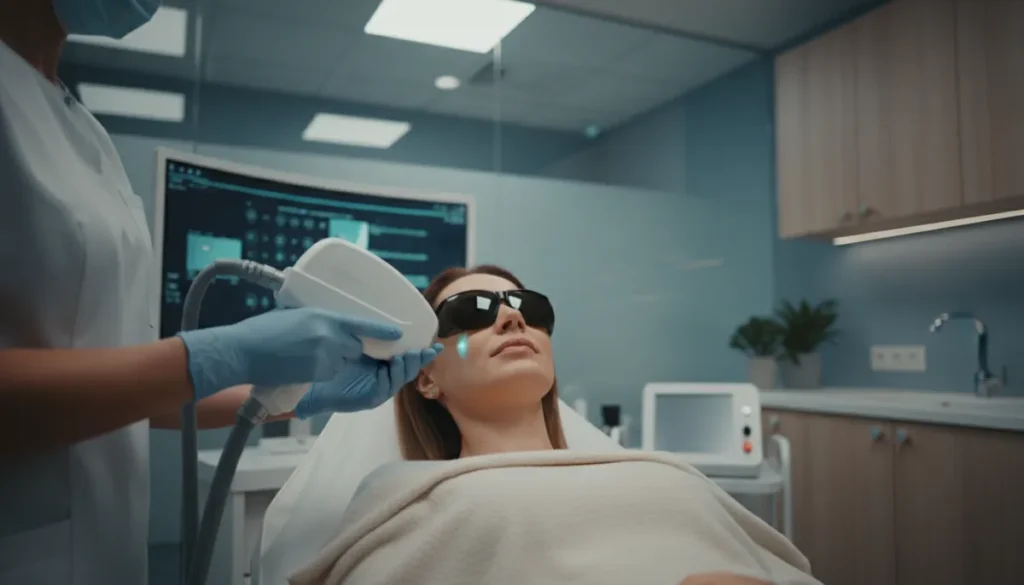
Types of Laser Technologies Used for Acne Scar Treatment
Several laser platforms have been approved for acne scar reduction, each with distinct wavelengths and mechanisms of action. The most common categories include:
| Laser Type | Wavelength | Key Benefits | Typical Use Cases |
|---|---|---|---|
| Ablative CO₂ Laser | 10,600 nm | Deep resurfacing, significant collagen remodeling | Deep ice‑pick and boxcar scars |
| Erbium:YAG Laser | 2,940 nm | Precise ablation with less thermal damage | Superficial to moderate rolling scars |
| Fractional Non‑Ablative Laser | 1,550 nm (Erbium‑glass) or 1,064 nm (Nd:YAG) | Minimal downtime, suitable for all skin types | Combination of mild to moderate scarring and pigment issues |
| Pulsed Dye Laser (PDL) | 585–595 nm | Effective for redness and vascular components of scars | Red, inflamed acne marks |
Choosing the right laser depends on scar depth, skin type, and desired recovery period. For instance, patients with darker skin tones often benefit from fractional non‑ablative lasers, which reduce the risk of post‑inflammatory hyperpigmentation. Conversely, those seeking dramatic improvement in deep scars may opt for fractional CO₂ or Erbium:YAG systems, accepting a longer healing phase for superior results.
In addition to the laser type, the practitioner’s expertise plays a crucial role. Skilled clinicians can adjust pulse duration, energy density, and spot size to customize treatment, ensuring optimal outcomes while minimizing adverse effects.
What to Expect: Procedure Steps, Recovery, and Results
The laser resurfacing process typically follows a structured sequence to ensure safety and effectiveness. Below is a step‑by‑step overview of a typical session:
- Consultation and Planning: The dermatologist assesses scar type, skin tone, and medical history, then selects the appropriate laser settings.
- Pre‑Treatment Preparation: The treatment area is cleansed, and a topical anesthetic or cooling device is applied to enhance comfort.
- Laser Application: The laser handpiece is moved across the skin in a controlled pattern, delivering precise energy pulses that vaporize the outer layer and heat the deeper dermis.
- Immediate Post‑Treatment Care: A soothing ointment or cooling gel is applied, and the patient may receive instructions on wound care and sun protection.
- Follow‑Up Visits: Depending on the scar severity, multiple sessions spaced 4–6 weeks apart may be recommended to achieve cumulative improvement.
Recovery periods vary by laser type. Ablative CO₂ treatments often require 7–10 days of crusting and redness, whereas fractional non‑ablative lasers may result in mild erythema lasting 1–3 days. Common post‑procedure sensations include tightness, slight swelling, and a temporary darkening of the treated area—known as post‑inflammatory hyperpigmentation, which typically fades within two weeks.
Outcomes are usually evaluated after a series of 3–5 sessions. Clinical studies indicate that patients can see a 30–70 % reduction in scar depth and a significant improvement in skin texture. Long‑term results depend on proper aftercare and lifestyle choices, such as diligent sun protection and avoiding smoking.
Choosing the Right Candidate: Suitability, Risks, and Contraindications
Not everyone is an ideal candidate for laser resurfacing acne scarring. Proper patient selection reduces complications and maximizes benefits. Key factors influencing suitability include:
- Skin Type: Fitzpatrick skin types I‑III typically tolerate ablative lasers well, while types IV‑VI may require non‑ablative or fractional options to avoid pigment changes.
- Scar Characteristics: Deep, atrophic scars respond best to ablative lasers; superficial pigmentation may be treated with less aggressive devices.
- Medical History: Individuals with active infections, uncontrolled acne, or a history of keloid formation should discuss alternative therapies.
- Lifestyle Considerations: Patients who can commit to post‑procedure care, avoid excessive sun exposure, and follow skincare recommendations are more likely to achieve optimal results.
Potential risks, while generally low when performed by qualified professionals, include:
- Transient redness, swelling, and crusting.
- Temporary hyperpigmentation or hypopigmentation, especially in darker skin.
- Rare infection or scarring if aftercare instructions are not followed.
Before undergoing treatment, a thorough consultation will address these concerns, ensuring realistic expectations and a personalized plan. In many cases, a combination approach—pairing laser resurfacing with complementary modalities such as microneedling or topical retinoids—can further enhance outcomes.
Aftercare and Long‑Term Maintenance for Optimal Skin Health
Successful laser resurfacing for acne scarring extends beyond the treatment day. Proper aftercare accelerates healing, minimizes complications, and preserves the newly regenerated collagen. Recommended practices include:
- Sun Protection: Apply a broad‑spectrum SPF 30+ sunscreen daily and wear protective clothing for at least six weeks post‑procedure.
- Gentle Skincare: Use mild, fragrance‑free cleansers and moisturizers; avoid exfoliating acids for at least two weeks.
- Hydration and Nutrition: Maintain adequate water intake and consume a diet rich in antioxidants (vitamins C and E) to support skin repair.
- Follow‑Up Treatments: Schedule maintenance sessions every 6–12 months, depending on skin response and personal goals.
Patients who integrate these habits often experience prolonged benefits, with collagen remodeling continuing for several months after the final laser session. Additionally, adjunctive therapies such as platelet‑rich plasma (PRP) or topical growth factors can be incorporated to further stimulate healing and improve texture.
By adhering to a disciplined aftercare regimen, individuals can enjoy smoother, more radiant skin while reducing the likelihood of recurring acne lesions. Regular check‑ins with a qualified dermatologist ensure that any emerging concerns are addressed promptly, preserving the investment in laser resurfacing.
Why Choose Gold City Medical Center
Gold City Medical Center combines cutting‑edge laser technology with a holistic, patient‑centered approach. Our team of board‑certified dermatologists and aesthetic specialists tailors each laser resurfacing plan to your unique skin type and scar profile, ensuring safe and effective outcomes. With a reputation for meticulous care and state‑of‑the‑art facilities, we provide a supportive environment where you can achieve lasting confidence and clear skin.
Ready to transform your skin and say goodbye to acne scarring? Contact Gold City Medical Center today to schedule a personalized consultation and discover the difference expert laser resurfacing can make.
FAQ
What is laser resurfacing and how does it improve acne scars?
Laser resurfacing uses focused light to remove damaged skin layers and stimulate new collagen, smoothing acne scars.
Which laser types are best for different acne scar depths?
Ablative CO₂ and Erbium:YAG lasers target deep scars, while fractional non‑ablative lasers work well for superficial to moderate scarring.
What should I expect during the laser resurfacing procedure?
The session includes a consultation, topical anesthesia, laser application, and immediate post‑treatment care.
How long is the recovery period after laser resurfacing?
Recovery varies: ablative CO₂ may need 7–10 days of crusting, while non‑ablative lasers cause only mild redness for 1–3 days.
Who is an ideal candidate for laser resurfacing of acne scars?
Ideal candidates have Fitzpatrick skin types I‑III, realistic expectations, and can commit to post‑procedure care.
What aftercare steps are essential for long‑term results?
Key steps include diligent sun protection, gentle skincare, hydration, and periodic maintenance sessions.





