Liver detox tea has become a popular choice for people looking to support their organ health while enjoying a soothing beverage. In this article we examine how this herbal infusion works, what ingredients make it effective, and how to incorporate it responsibly into a daily routine. Recent surveys show that over 30% of adults in the Netherlands have tried some form of detox drink, highlighting the growing interest in natural health solutions.
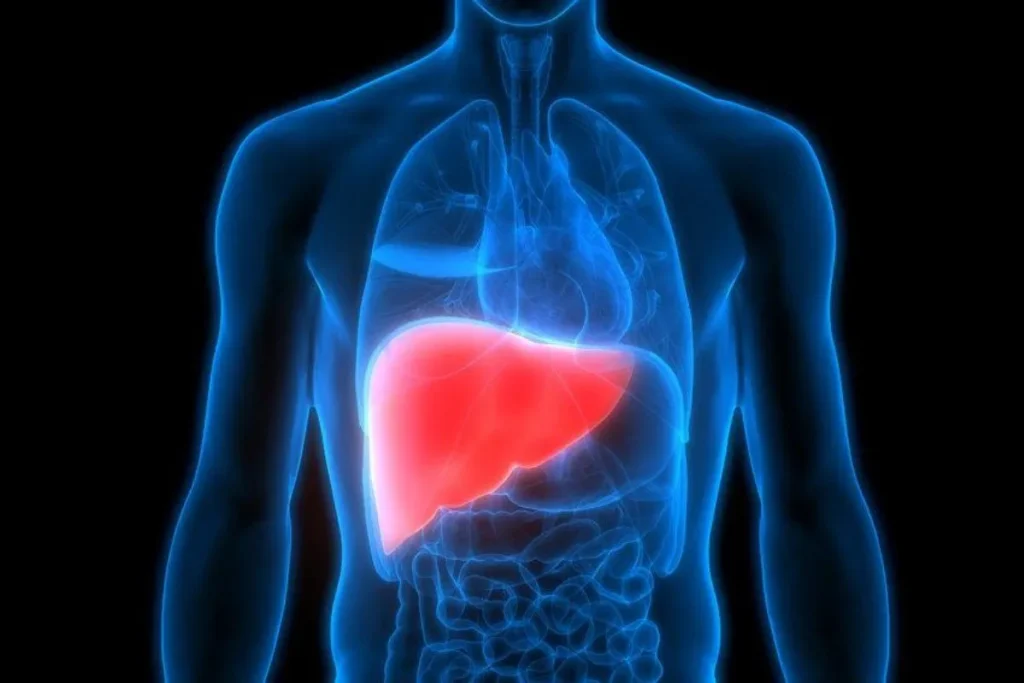
Understanding the role of the liver in detoxification is essential before reaching for a cup. The liver processes toxins, metabolizes nutrients, and produces bile, making it a cornerstone of overall wellness. When the organ is overloaded, symptoms such as fatigue, bloating, and skin issues can arise, prompting many to seek supportive measures.
This guide will walk you through the science behind liver support, review the most common herbs—like milk thistle and dandelion—explain preparation methods, and discuss potential benefits and risks. Whether you are curious about a gentle cleanse or looking for a long‑term supplement, the information below will help you make an informed decision.
Understanding Liver Detox: What It Is and Why It Matters
The term “liver detox” refers to the process of assisting the liver in eliminating accumulated waste products and metabolic by‑products. While the organ naturally performs detoxification, certain lifestyle factors—excess alcohol, processed foods, and environmental pollutants—can tax its capacity. A well‑formulated tea can provide antioxidants and supportive compounds that help maintain optimal liver function.
Key points to consider:
- Detoxification is a continuous, natural process; it is not a one‑time event.
- Supporting liver health can improve energy levels, digestion, and skin clarity.
- Herbal teas are a convenient way to deliver beneficial nutrients without added sugars.
Research indicates that regular consumption of antioxidant‑rich beverages may reduce oxidative stress in liver cells. For example, a study published in the Journal of Hepatology found that participants who drank a blend containing milk thistle and dandelion experienced modest improvements in liver enzyme markers after eight weeks.
It is important to differentiate between a true liver support regimen and marketing hype. Genuine liver cleanse protocols focus on balanced nutrition, adequate hydration, and targeted herbs rather than extreme fasting or high‑dose supplements.
Key Ingredients in Effective Liver Detox Teas
Most reputable liver detox teas combine several botanicals that each contribute unique properties. Below is a breakdown of the most commonly used herbs and their specific actions.
Milk Thistle (Silybum marianum)
Milk thistle is celebrated for its active compound silymarin, which exhibits antioxidant and anti‑inflammatory effects. Clinical trials suggest that silymarin can protect liver cells from toxin‑induced damage and may aid in the regeneration of damaged tissue.
Dandelion Root
Dandelion root acts as a mild diuretic, promoting the excretion of excess water and supporting bile flow. Its bitter compounds stimulate the liver’s detox pathways, making it a staple in many traditional cleansing formulas.
Turmeric (Curcuma longa)
Turmeric contains curcumin, a powerful antioxidant that helps neutralize free radicals. When combined with black pepper extract, curcumin’s absorption is significantly enhanced, amplifying its liver‑protective benefits.
Ginger (Zingiber officinale)
Ginger improves digestion and circulation, which indirectly supports liver function. Its anti‑nausea properties also make it a pleasant addition to detox blends.
| Ingredient | Primary Benefit | Typical Dose (per cup) |
|---|---|---|
| Milk Thistle | Antioxidant protection | 150 mg |
| Dandelion Root | Supports bile flow | 1 g |
| Turmeric | Reduces oxidative stress | 500 mg |
| Ginger | Enhances digestion | 1 g |
When selecting a product, look for a transparent label that lists each herb’s exact amount. This ensures you receive a therapeutic dose rather than a vague “herbal blend”.
How to Prepare and Use Liver Detox Tea Safely
Proper preparation maximizes the extraction of beneficial compounds while minimizing bitterness. Follow these steps for an optimal cup.
Step‑by‑Step Brewing Guide
- Measure 1 tsp (≈2 g) of the tea blend into a tea infuser.
- Heat filtered water to 90‑95 °C (just below boiling).
- Steep the infuser for 5‑7 minutes. Longer steeping increases potency but may add bitterness.
- Remove the infuser and add optional flavor enhancers such as a slice of lemon or a teaspoon of honey.
- Enjoy the tea warm, preferably in the morning or early afternoon.
For those who prefer a cold version, the same blend can be brewed as a “cold steep”: combine the herbs with cold water, refrigerate for 6‑8 hours, then strain and serve over ice.
Dosage Recommendations
Most experts suggest drinking one cup of liver detox tea daily for a gentle support regimen. If you have a specific health goal—such as a short‑term cleanse—two cups may be acceptable, but it is crucial to avoid excessive intake, which could lead to gastrointestinal upset.
Pregnant or nursing individuals should consult a healthcare professional before beginning any herbal regimen, as some ingredients (e.g., high‑dose milk thistle) may interact with medications.
Potential Benefits and Risks of Liver Detox Tea
When used responsibly, liver detox tea can offer several health advantages, though it is not a cure‑all.
Potential Benefits
- Improved liver enzyme profiles (ALT, AST) in mild cases of hepatic stress.
- Reduced feelings of bloating and enhanced digestion due to ginger and dandelion.
- Antioxidant support that may protect cells from oxidative damage.
- Gentle diuretic effect that helps reduce water retention.
Possible Risks and Side Effects
While generally safe for most adults, some individuals may experience mild side effects:
- Stomach discomfort or nausea, especially if steeped too long.
- Allergic reactions to specific herbs, such as milk thistle.
- Interactions with anticoagulant medications due to the blood‑thinning properties of certain botanicals.
It is advisable to start with a half‑cup and monitor how your body responds. If you experience persistent adverse symptoms, discontinue use and seek medical advice.
Overall, the scientific evidence suggests that a well‑balanced liver detox tea, used as part of a broader healthy lifestyle, can support liver function without significant risk.
Why Choose Gold City Medical Center
Gold City Medical Center combines integrative medicine with cutting‑edge research to offer personalized health solutions. Our team of physicians, nutritionists, and wellness specialists can guide you on safe herbal practices, including the use of liver detox tea, ensuring it aligns with your overall health plan. With a focus on evidence‑based care, we help you achieve lasting vitality while monitoring liver function through professional assessments.
Ready to support your liver health with expert guidance? Contact Gold City Medical Center today to schedule a personalized consultation and discover the right detox strategy for you.
Take the first step toward a healthier liver—call us or fill out our online form now.
FAQ
What is liver detox tea and how does it work?
Liver detox tea is an herbal infusion that supplies antioxidants and supportive compounds to help the liver process toxins more efficiently.
Which herbs are most effective in liver detox tea?
Milk thistle, dandelion root, turmeric, and ginger are the primary herbs used for liver support in detox teas.
How should I brew liver detox tea for best results?
Steep 1‑2 g of the blend in 90‑95 °C water for 5‑7 minutes, then strain and enjoy warm or cold.
How many cups of liver detox tea can I safely drink each day?
One cup daily is recommended for gentle support; up to two cups may be acceptable for short‑term cleanses.
Are there any side effects or risks associated with liver detox tea?
Side effects are generally mild, such as stomach discomfort, nausea, or allergic reactions, and may interact with anticoagulant medications.
Can liver detox tea help improve liver enzyme levels?
Research suggests regular consumption may modestly improve liver enzyme markers in mild hepatic stress.





