Maintaining a liver strong food regimen is essential for overall wellbeing, especially as the liver processes toxins, stores nutrients, and regulates metabolism. This article explores the foods, dietary patterns, and lifestyle habits that empower your liver to function optimally. Did you know that up to 25% of adults worldwide develop fatty liver disease, often linked to poor dietary choices?
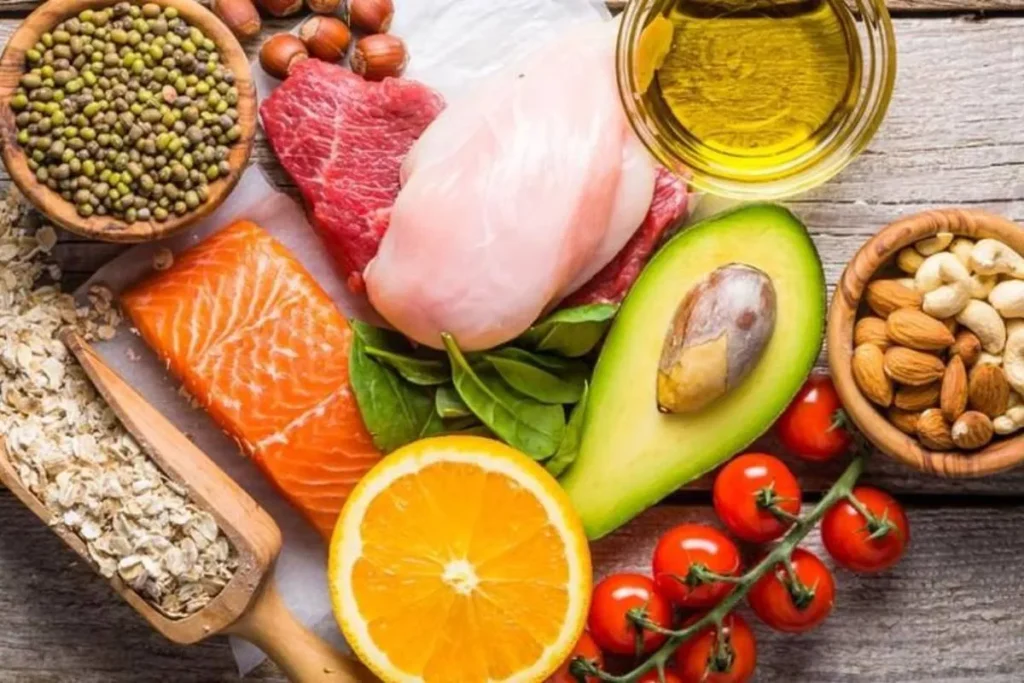
We will guide you through evidence‑based nutrition, explain how certain foods act as natural detoxifiers, and debunk common myths surrounding liver cleansing. Whether you aim to prevent liver complications, support a medical treatment plan, or simply boost your energy levels, the information here will help you make informed decisions.
By the end of this guide, you’ll have a clear roadmap of which foods to prioritize, how to combine them into balanced meals, and which lifestyle tweaks can amplify the benefits of a liver‑friendly diet.
Nutrient‑Rich Foods That Support Liver Function
Choosing the right foods is the cornerstone of a liver strong food approach. Certain nutrients directly protect liver cells, promote regeneration, and aid in the removal of harmful substances.
- Leafy greens such as kale, spinach, and arugula are high in chlorophyll, which helps neutralize heavy metals and chemicals.
- Cruciferous vegetables like broccoli, Brussels sprouts, and cauliflower contain glucosinolates that boost detox enzymes.
- Fatty fish (salmon, mackerel, sardines) provide omega‑3 fatty acids that reduce inflammation and improve liver fat metabolism.
- Garlic supplies allicin, a compound that activates liver enzymes responsible for flushing out toxins.
- Beetroot offers betaine, which supports the processing of fats and protects liver cells from oxidative stress.
- Turmeric contains curcumin, a powerful anti‑inflammatory agent that aids in liver repair.
- Green tea is rich in catechins that enhance liver function and may lower the risk of fatty liver disease.
- Milk thistle (silymarin) is a traditional supplement known for its hepatoprotective properties.
Incorporating these foods daily creates a synergistic effect, similar to a well‑balanced diet for liver health. For example, a breakfast smoothie with kale, beetroot, and a splash of green tea provides antioxidants and detoxifiers right at the start of the day.
How Specific Diet Patterns Aid Liver Detoxification
Beyond individual foods, whole‑diet approaches can enhance the liver’s natural detox pathways. The Mediterranean diet, for instance, emphasizes plant‑based foods, healthy fats, and moderate protein, aligning perfectly with the principles of a liver strong food plan.
Key components of detox‑friendly diet patterns include:
- High fiber intake – soluble fiber from oats, legumes, and fruits binds bile acids, facilitating their removal and reducing liver fat accumulation.
- Low refined sugar – minimizing sugary snacks prevents excess fat storage in the liver, a major factor in non‑alcoholic fatty liver disease (NAFLD).
- Moderate protein – lean sources such as poultry, tofu, and fish supply amino acids needed for liver regeneration without overloading the organ.
- Healthy fats – monounsaturated oils (olive, avocado) and omega‑3s support cell membrane integrity and reduce inflammation.
Research indicates that a consistent fatty liver diet combined with regular consumption of detoxifying foods can improve liver enzyme levels within weeks. Incorporating a weekly “detox day” with lighter meals—such as a vegetable broth, steamed greens, and herbal teas—helps reset the metabolic balance without extreme restriction.
Lifestyle Habits That Complement a Liver‑Friendly Diet
Nutrition is only one piece of the puzzle; lifestyle factors such as exercise, sleep, and stress management also influence liver health. Below is a comparison of habits that synergize with a liver strong food regimen.
| Habit | Positive Impact on Liver | Practical Tips |
|---|---|---|
| Regular aerobic exercise | Reduces liver fat, improves insulin sensitivity | 30 minutes of brisk walking or cycling most days |
| Adequate sleep (7‑9 hrs) | Supports liver regeneration and hormone balance | Maintain a consistent bedtime routine, limit screens |
| Hydration | Facilitates toxin elimination through urine and bile | Drink at least 2 liters of water daily; add lemon for flavor |
| Stress reduction | Decreases cortisol‑related liver inflammation | Practice mindfulness, yoga, or deep‑breathing exercises |
| Limit alcohol | Prevents direct liver cell damage and fatty accumulation | Choose alcohol‑free alternatives; keep intake below 1 drink per day |
When these habits are paired with a diet rich in liver‑supporting foods, the cumulative effect can be comparable to a therapeutic liver detox program, but without the need for harsh cleanses.
Common Myths About Liver Cleansing and the Truth
Many popular “liver cleanse” products promise rapid results, but not all claims are backed by science. Let’s separate fact from fiction.
- Myth: A single 3‑day detox can permanently fix liver damage.
Reality: Sustainable liver health requires long‑term dietary and lifestyle changes rather than short‑term fixes. - Myth: All “detox teas” are safe and effective.
Reality: Some contain laxatives or high levels of caffeine that can stress the liver. - Myth: Milk thistle alone cures fatty liver.
Reality: While milk thistle (silymarin) supports liver cells, it works best alongside a balanced diet and exercise. - Myth: You must avoid all fats for a healthy liver.
Reality: Healthy fats, especially omega‑3s, are essential for reducing inflammation and supporting cell membranes.
Understanding these nuances helps you avoid ineffective or potentially harmful products, and focus on proven strategies like a healthy liver diet and regular physical activity.
Meal Planning Tips for Sustainable Liver Health
Putting knowledge into practice starts with thoughtful meal planning. Below are actionable steps to ensure your weekly menu aligns with a liver strong food strategy.
- Batch‑cook greens: Steam a large pot of broccoli, kale, and spinach on Sunday; store in portioned containers for quick side dishes.
- Swap refined carbs: Replace white rice with quinoa or brown rice, which provide fiber and lower glycemic impact.
- Include a liver‑friendly snack: Keep a mix of walnuts, pumpkin seeds, and dried apricots handy for mid‑day energy.
- Plan fish nights: Aim for two servings of fatty fish per week; marinate with lemon and turmeric for added benefits.
- Use herbs strategically: Add garlic, ginger, and rosemary to sauces to boost antioxidant content.
By structuring your grocery list around these principles, you reduce reliance on processed foods and make it easier to stick to a liver‑supportive regimen. Remember, consistency beats perfection—small, daily choices accumulate into lasting health improvements.
Why Choose Gold City Medical Center
Gold City Medical Center combines integrative medicine with cutting‑edge diagnostics to support liver health from every angle. Our multidisciplinary team offers personalized nutrition counseling, advanced liver function testing, and evidence‑based supplement guidance—including safe use of milk thistle and other liver‑supportive botanicals. Whether you are addressing early signs of fatty liver or seeking a comprehensive wellness plan, our experts tailor solutions that align with your lifestyle and medical needs.
Ready to boost your liver’s resilience with a customized nutrition plan? Contact Gold City Medical Center today to schedule a consultation and start your journey toward a stronger, healthier liver.
FAQ
What are the best foods to support liver health?
Leafy greens, cruciferous vegetables, fatty fish, garlic, beetroot, turmeric, green tea, and milk thistle are among the top liver‑supporting foods.
How does the Mediterranean diet help liver detoxification?
The Mediterranean diet emphasizes plant‑based foods, healthy fats, and moderate protein, which together support liver detox pathways and reduce fatty liver risk.
Which lifestyle habits improve liver function?
Regular aerobic exercise, adequate sleep, proper hydration, stress reduction, and limiting alcohol intake are key habits that support liver health.
Are detox teas safe for liver health?
Many detox teas contain laxatives or high caffeine levels that can stress the liver, so they are not universally safe and should be used with caution.
How often should I eat fatty fish for liver benefits?
Aim for two servings of fatty fish per week to obtain enough omega‑3 fatty acids for liver health.
Can milk thistle cure fatty liver disease?
Milk thistle supports liver cells but does not cure fatty liver on its own; it works best alongside diet and lifestyle changes.
What is the role of fiber in preventing fatty liver?
Soluble fiber binds bile acids and reduces liver fat accumulation, helping to prevent non‑alcoholic fatty liver disease.
How can I plan meals to maintain a liver‑strong diet?
Batch‑cook greens, swap refined carbs for whole grains, include fatty fish twice weekly, and add liver‑friendly snacks like nuts and dried fruit.





