Many wonder, does low magnesium cause hair loss, and the answer lies in the complex relationship between mineral balance and follicle health. Magnesium is essential for over 300 enzymatic reactions, many of which influence cell metabolism, protein synthesis, and blood circulation—processes that directly affect the scalp and hair follicles. When magnesium levels dip, the body’s ability to maintain healthy hair can be compromised, leading to thinning, shedding, or slowed regrowth.
Understanding this connection matters because hair loss often signals an underlying nutritional deficiency rather than an inevitable aging process. Studies suggest that individuals with chronic magnesium deficiency may experience increased hair shedding, especially when other stressors such as hormonal changes or poor diet are present. Recognizing the signs early can help you take corrective action before noticeable thinning becomes permanent.
In this article we will explore how magnesium influences hair growth, examine the scientific evidence linking low magnesium to hair loss, and provide practical steps you can take to restore optimal mineral levels. Whether you are noticing early signs of thinning or simply want to maintain a full, healthy mane, the information below will guide you toward evidence‑based solutions.
Understanding Magnesium’s Role in Hair Growth
Magnesium is a vital mineral that supports a range of bodily functions, from nerve transmission to muscle contraction. Its impact on hair health is often overlooked, yet several mechanisms illustrate why adequate magnesium is crucial for robust follicles.
Cellular Energy Production
Hair follicles are among the fastest‑growing cells in the body, requiring a steady supply of ATP (cellular energy). Magnesium acts as a co‑factor for ATP synthesis, ensuring that follicular cells receive the energy needed for keratin production and growth cycles.
Protein Synthesis and Keratin Formation
Keratin, the primary protein in hair, is built from amino acids in a process that depends on magnesium‑dependent enzymes. Insufficient magnesium can disrupt this synthesis, leading to weaker strands that break more easily.
Blood Flow and Nutrient Delivery
Magnesium helps relax blood vessels, improving circulation to the scalp. Better blood flow means more oxygen and nutrients reach the hair follicles, supporting their growth phase (anagen).
- Improves vascular tone and reduces vasoconstriction
- Enhances delivery of iron, zinc, and B‑vitamins essential for hair
- Reduces oxidative stress that can damage follicular cells
| Function | Impact on Hair |
|---|---|
| ATP Production | Provides energy for rapid cell division in follicles |
| Enzyme Activation | Supports keratin synthesis and melanin production |
| Vasodilation | Improves scalp circulation and nutrient delivery |
When magnesium levels fall, these processes can become inefficient, creating an environment where hair loss may accelerate. The link between magnesium deficiency hair loss and overall follicle health is supported by clinical observations, though more large‑scale studies are needed to confirm causality.
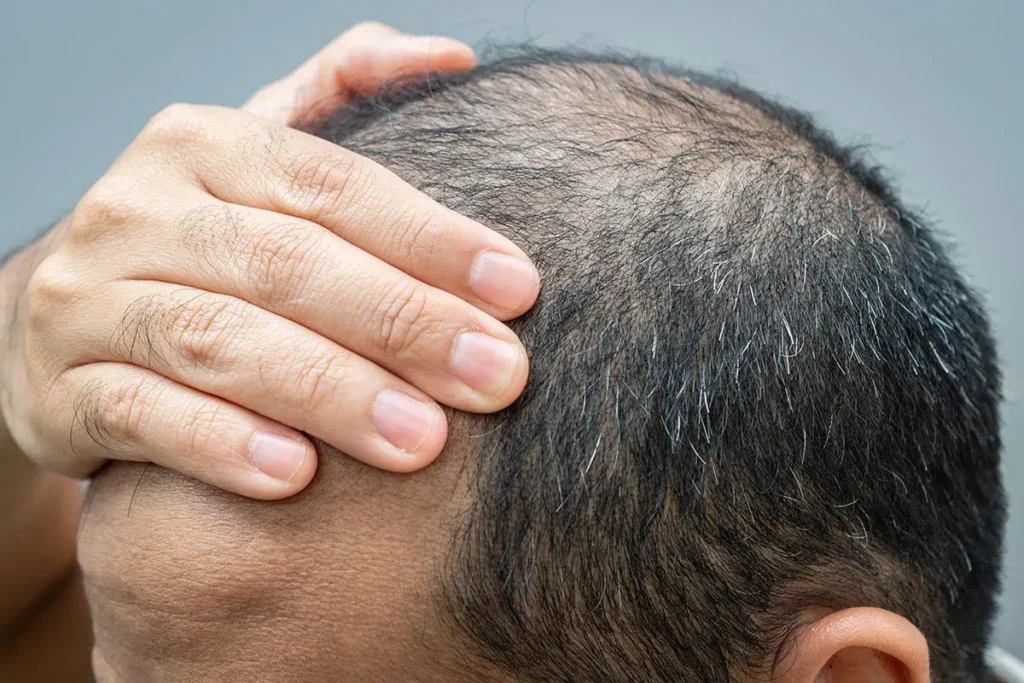
How Low Magnesium May Trigger Hair Loss
While the exact pathways are still being studied, several plausible mechanisms explain why low magnesium could contribute to hair shedding.
Hormonal Imbalance
Magnesium plays a role in regulating cortisol, the stress hormone. Elevated cortisol can push hair follicles into the telogen (resting) phase, resulting in diffuse shedding. Low magnesium may therefore exacerbate stress‑related hair loss.
Inflammation and Oxidative Stress
Insufficient magnesium can increase inflammatory markers such as C‑reactive protein (CRP) and promote the generation of free radicals. Oxidative stress damages follicular cells and shortens the anagen phase, leading to thinner hair.
Interaction with Other Nutrients
Magnesium works synergistically with calcium, vitamin D, and B‑vitamins. A deficiency may impair the absorption or utilization of these co‑factors, compounding the risk of magnesium and hair loss. For example, low magnesium can hinder vitamin D activation, which is itself important for hair cycle regulation.
- Reduced calcium‑magnesium balance may affect keratinocyte function
- Impaired vitamin D activation can limit follicular stem cell activity
- Elevated cortisol from magnesium deficiency accelerates telogen entry
Research on specific forms of magnesium, such as magnesium l‑threonate hair loss and magnesium glycinate for hair growth, suggests that bioavailability matters. Some studies indicate that highly absorbable forms may more effectively raise serum levels and support hair health, though results are mixed.
Assessing Your Magnesium Levels and When to Seek Help
Before embarking on supplementation, it is essential to determine whether you truly have a magnesium deficiency. Blood tests measuring serum magnesium are the most common diagnostic tool, but they only reflect about 1% of total body magnesium. More comprehensive assessments may include red blood cell (RBC) magnesium testing or a urinary excretion test.
Symptoms to Watch For
Beyond hair loss, low magnesium can manifest as:
- Muscle cramps or twitches
- Fatigue and weakness
- Irregular heartbeats
- Sleep disturbances
- Persistent anxiety or irritability
If you notice a combination of these signs alongside thinning hair, it is prudent to consult a healthcare professional. At Gold City Medical Center, our integrative specialists can perform a full mineral panel, evaluate your diet, and recommend targeted interventions.
Choosing the Right Supplement
Not all magnesium supplements are equal. Forms such as magnesium citrate, magnesium glycinate, and magnesium l‑threonate are known for higher absorption rates. However, certain preparations like magnesium stearate may interfere with absorption and have been linked in anecdotal reports to magnesium stearate and hair loss. Selecting a high‑quality product and dosing appropriately is key.
| Form | Absorption Rate | Typical Use for Hair |
|---|---|---|
| Magnesium Glycinate | High | Gentle on stomach, supports overall deficiency |
| Magnesium L‑Threonate | Very High (brain‑targeted) | May aid neurological aspects of stress‑related hair loss |
| Magnesium Citrate | Moderate‑High | Common, effective for quick replenishment |
When used under professional guidance, magnesium supplement for hair growth can be a safe addition to a broader hair‑health strategy.
Strategies to Improve Magnesium Status for Healthy Hair
Addressing a magnesium shortfall involves dietary changes, lifestyle adjustments, and, when appropriate, supplementation. Below are evidence‑based strategies to boost your magnesium levels and support hair vitality.
Magnesium‑Rich Foods
Incorporate the following foods into your daily meals:
- Leafy greens (spinach, kale)
- Nuts and seeds (almonds, pumpkin seeds)
- Whole grains (brown rice, quinoa)
- Legumes (black beans, lentils)
- Fish such as mackerel and salmon
Consuming a balanced diet that includes these sources can naturally raise serum magnesium and provide other nutrients essential for hair, such as iron and zinc.
Topical Magnesium Options
Some individuals explore magnesium oil for hair growth as a topical application. Magnesium oil is a solution of magnesium chloride that can be sprayed onto the scalp. While research is limited, users report improved scalp circulation and reduced itching, which may indirectly support hair health.
Supplementation Guidelines
Typical adult dosage ranges from 200 mg to 400 mg of elemental magnesium per day, divided into two doses to enhance absorption. Start with a lower dose to assess tolerance, especially if you have gastrointestinal sensitivity.
- Take with meals to improve uptake
- Avoid excessive calcium supplements taken simultaneously, as they compete for absorption
- Monitor for side effects such as diarrhea; adjust dose accordingly
For those with specific concerns like severe thinning, a combination of oral magnesium and topical magnesium oil may be recommended by a specialist at Gold City Medical Center.
Common Myths About Magnesium and Hair Loss
As interest in nutrition‑based hair solutions grows, several myths have emerged. Clarifying these misconceptions helps you make informed decisions.
Myth 1: “More Magnesium Means Faster Hair Growth”
While magnesium is essential, excess intake does not accelerate hair growth and can cause side effects such as gastrointestinal upset. The body regulates magnesium tightly; taking more than needed offers no added benefit.
Myth 2: “All Magnesium Supplements Are the Same”
As highlighted earlier, bioavailability varies widely. Forms like magnesium stearate may actually hinder absorption and have been associated in anecdotal reports with magnesium stearate and hair loss. Choosing high‑quality, well‑absorbed forms is crucial.
Myth 3: “Topical Magnesium Alone Can Cure Hair Loss”
Topical applications may improve scalp health but cannot replace systemic magnesium needed for cellular processes. A combined approach—diet, oral supplementation, and scalp care—yields the best results.
- Focus on balanced nutrition first
- Use topical magnesium as a supportive measure
- Consult a professional for personalized dosing
Understanding the science behind magnesium and dispelling myths empowers you to adopt realistic, sustainable strategies for hair preservation.
Why Choose Gold City Medical Center
At Gold City Medical Center, our integrative approach blends cutting‑edge medical diagnostics with personalized nutrition and aesthetic expertise. Our team of certified physicians and hair‑restoration specialists evaluates your mineral status, identifies underlying causes of hair loss, and crafts a tailored plan that may include dietary counseling, targeted supplementation, and advanced hair‑transplant techniques when needed. Trust a center that prioritizes evidence‑based care, patient education, and lasting results.
Ready to restore your hair’s natural thickness? Schedule a comprehensive mineral assessment with Gold City Medical Center today and take the first step toward healthier, fuller hair.
FAQ
Can low magnesium cause hair loss?
Yes, low magnesium can contribute to hair loss by affecting energy production, protein synthesis, and scalp circulation.
What symptoms besides hair loss indicate a magnesium deficiency?
Common signs include muscle cramps, fatigue, irregular heartbeats, sleep problems, and anxiety.
How can I test my magnesium levels accurately?
Serum magnesium is common but only reflects 1% of total body stores; RBC or urinary tests are more comprehensive.
Which magnesium supplement forms are best for hair health?
Magnesium glycinate, magnesium l‑threonate, and magnesium citrate have higher absorption rates and are commonly recommended.
Can topical magnesium oil help with hair growth?
Magnesium oil may improve scalp circulation and reduce itching, which can indirectly support hair health, though research is limited.





