The medical term for baldness is a topic that often confuses people searching for reliable information about hair loss. In this article we explain the terminology, the underlying causes, and the range of solutions available today. More than 30 million adults worldwide experience some form of hair thinning, making it one of the most common dermatological concerns.
We will start by defining the clinical language used by physicians, then move on to the various patterns of hair loss, how specialists diagnose the condition, and finally the treatment options that can restore confidence and hair density. Whether you are dealing with male pattern baldness, alopecia areata, or diffuse thinning, understanding the correct medical terms helps you communicate effectively with your healthcare provider.
By the end of this guide you will be equipped with the knowledge to ask the right questions, interpret test results, and choose a personalized plan that fits your lifestyle and goals.
What Is the Medical Term for Baldness?
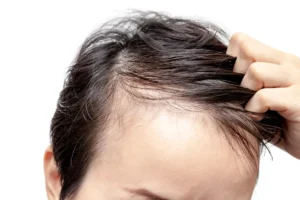
The umbrella term used by dermatologists to describe hair loss is alopecia. Within this classification, the specific phrase “medical term for baldness” often points to androgenetic alopecia, the most prevalent form affecting both men and women. Androgenetic alopecia is driven by genetic factors and the hormone dihydrotestosterone (DHT), leading to a progressive shortening of the hair growth cycle.
- Male pattern baldness – characterized by a receding hairline and vertex thinning.
- Female pattern baldness – typically presents as diffuse thinning over the crown.
- Other forms – such as alopecia areata, telogen effluvium, and traction alopecia.
Understanding that “baldness” is not a single disease but a symptom of various underlying conditions is crucial for accurate diagnosis and treatment planning.

Common Types of Hair Loss and Their Medical Names
Beyond androgenetic alopecia, several distinct conditions fall under the broader category of alopecia. Each has its own medical name and typical presentation.
| Condition | Medical Name | Key Features |
|---|---|---|
| Alopecia Areata | Autoimmune Alopecia | Sudden, round patches of hair loss; may affect scalp or body. |
| Telogen Effluvium | Diffuse Telogen Hair Loss | Shedding of 50‑100 hairs daily after stress, illness, or medication. |
| Traction Alopecia | Mechanical Hair Loss | Hair loss caused by chronic pulling from tight hairstyles. |
| Scarring Alopecia | Cicatricial Alopecia | Permanent loss due to inflammation that destroys hair follicles. |
Recognizing these variations helps clinicians select appropriate therapies, whether they involve topical steroids for alopecia areata or lifestyle adjustments for traction alopecia.
Diagnosing Hair Loss: Tests and Evaluations
Accurate diagnosis begins with a thorough medical history and physical examination. Dermatologists use a combination of visual assessment and specialized tools to determine the underlying cause of the medical term for baldness you are experiencing.
Clinical Examination
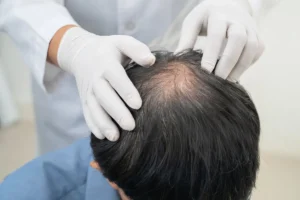
During the scalp examination, the physician evaluates hair density, follicle health, and pattern distribution. The pull test helps gauge active shedding, while a dermatoscope (trichoscopy) provides magnified images of follicular structures.
Laboratory Tests
Blood work can reveal hormonal imbalances, iron deficiency, thyroid disorders, or autoimmune markers that contribute to hair loss. Typical panels include:
- Complete blood count (CBC)
- Thyroid-stimulating hormone (TSH)
- Ferritin and serum iron
- Androgen levels (testosterone, DHT)
Imaging and Biopsy
In complex cases, a scalp biopsy may be performed to differentiate scarring from non‑scarring alopecia. High‑resolution ultrasound can also assess follicle depth and vascularity.
These diagnostic steps ensure that treatment is tailored to the specific type of alopecia, rather than applying a one‑size‑fits‑all approach.
Treatment Options for Different Forms of Baldness
Once a diagnosis is confirmed, a range of therapeutic avenues become available. The choice depends on the specific medical term for baldness identified, severity, and patient preferences.
Medical Therapies
- Finasteride – oral 5‑α‑reductase inhibitor for androgenetic alopecia in men.
- Topical minoxidil – stimulates hair follicles and is approved for both men and women.
- Corticosteroid injections – effective for localized alopecia areata patches.
- Oral anti‑inflammatory agents – used in certain scarring alopecias.
Procedural Interventions
Hair transplantation techniques such as Follicular Unit Extraction (FUE) and Follicular Unit Transplantation (FUT) relocate healthy follicles from donor areas to balding zones. Platelet‑Rich Plasma (PRP) therapy enhances growth factors and can improve density when combined with medication.
Adjunctive Therapies
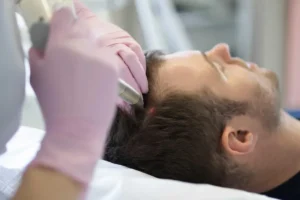
Low‑level laser therapy (LLLT) devices and microneedling have shown promise in stimulating scalp circulation and promoting follicular activity.
| Treatment | Target Condition | Typical Results | Considerations |
|---|---|---|---|
| Finasteride | Androgenetic alopecia (men) | Stabilizes loss, modest regrowth | Requires daily use, potential sexual side effects |
| Minoxidil | Male & female pattern baldness | Increased density after 4‑6 months | Scalp irritation possible |
| PRP Therapy | Various non‑scarring alopecias | Improved thickness, especially early stage | Multiple sessions needed |
| Hair Transplant (FUE) | Advanced androgenetic alopecia | Permanent, natural‑looking hair | Costly, surgical recovery |
Choosing the right combination often yields the best outcome, and a specialist can help design a protocol that aligns with your goals.
Preventive Measures and Lifestyle Factors
While genetics play a major role in the medical term for baldness, several lifestyle adjustments can slow progression and support overall hair health.
Nutrition
Protein‑rich foods, omega‑3 fatty acids, iron, zinc, and vitamins A, D, and E are essential for follicle vitality. A balanced diet reduces systemic inflammation, which can exacerbate alopecia.
Stress Management
Chronic stress elevates cortisol, potentially triggering telogen effluvium. Practices such as mindfulness, regular exercise, and adequate sleep help maintain a healthy hair growth cycle.
Hair Care Practices
- Avoid tight hairstyles that cause traction alopecia.
- Limit heat styling and harsh chemical treatments.
- Use gentle, sulfate‑free shampoos and conditioners.
Implementing these habits complements medical treatments and can improve long‑term outcomes.
Why Choose Gold City Medical Center
Gold City Medical Center combines cutting‑edge technology with a holistic approach to hair restoration. Our team of board‑certified dermatologists and hair‑transplant surgeons tailors each plan to the individual’s unique diagnosis, whether it is androgenetic alopecia, alopecia areata, or another form of hair loss. With state‑of‑the‑art facilities, advanced diagnostic tools, and a track record of successful outcomes, we provide a trusted environment for patients seeking lasting solutions.
Ready to take the first step toward regaining confidence? Contact Gold City Medical Center today to schedule a comprehensive hair loss evaluation and discover the personalized treatment plan that’s right for you.
FAQ
What is the medical term for baldness?
The medical term for baldness is alopecia, with androgenetic alopecia being the most common form.
What are the most common types of alopecia?
Common types include androgenetic alopecia, alopecia areata, telogen effluvium, traction alopecia, and scarring (cicatricial) alopecia.
How is hair loss diagnosed by dermatologists?
Diagnosis involves medical history, physical exam, pull test, trichoscopy, blood work, and sometimes scalp biopsy or imaging.
What treatment options are available for androgenetic alopecia?
First‑line treatments include finasteride and minoxidil; procedural options include hair transplant (FUE/FUT) and PRP therapy.
Can lifestyle changes help prevent hair loss?
Yes, proper nutrition, stress management, and gentle hair care can slow progression and support hair health.
What services does Gold City Medical Center offer for hair loss?
Gold City Medical Center provides comprehensive diagnosis, medical therapies, hair transplant surgery, PRP, and personalized treatment plans.