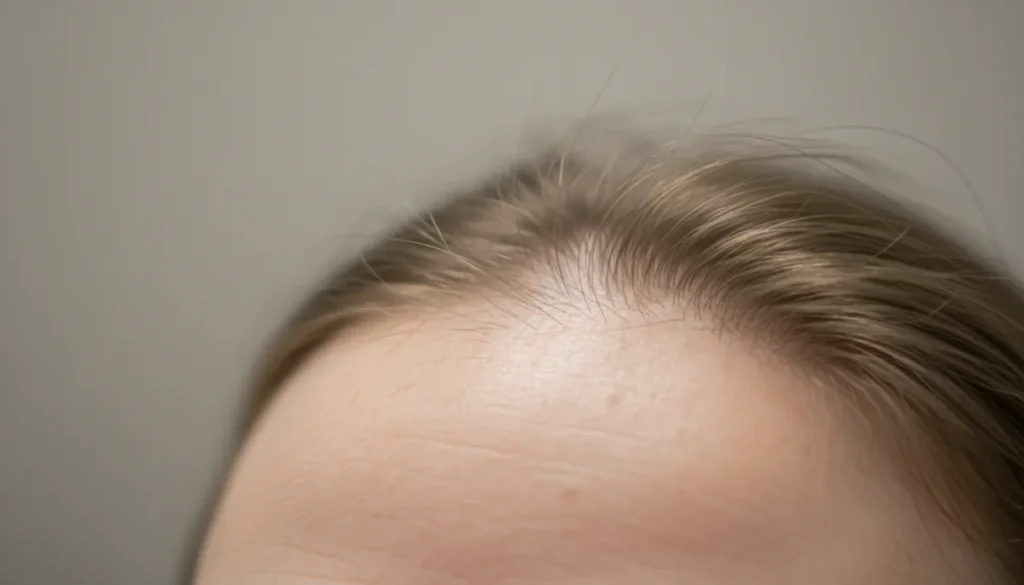
When my hair is so thin I can see my scalp, it often feels like a sudden loss of confidence and a visible reminder that something isn’t right. This article explains the science behind scalp visibility, how to identify the underlying cause, and which solutions—both non‑surgical and surgical—can restore density. According to a recent dermatology survey, approximately 15 % of adults notice noticeable scalp exposure before age 30, highlighting the importance of early intervention.
We’ll walk through the most common reasons for extreme thinning, the diagnostic steps you should expect at a specialist clinic, and the range of treatments that can help you achieve a fuller look. Whether you’re dealing with androgenetic alopecia, an autoimmune condition, or lifestyle‑related hair loss, understanding the process empowers you to choose the right path.
By the end of this guide, you’ll know how to assess your situation, what medical options are available, and why Gold City Medical Center is uniquely equipped to deliver lasting results.
Understanding Thin Hair and Scalp Visibility
Seeing the scalp through your hair is often a sign of hair thinning that has progressed beyond normal shedding. The most frequent culprits include genetic predisposition, hormonal changes, and autoimmune reactions. Below are the primary causes that lead to a visible scalp:
- Androgenetic alopecia (male or female pattern baldness)
- Alopecia areata – an autoimmune attack on hair follicles
- Telogen effluvium – stress‑induced shedding
- Traction alopecia – chronic pulling from tight hairstyles
- Nutritional deficiencies, especially iron and vitamin D
Each condition follows a distinct pattern, but they all share the end result of reduced hair density. The table below compares key characteristics:
| Condition | Typical Pattern | Onset Age | Reversibility |
|---|---|---|---|
| Androgenetic alopecia | Receding hairline, thinning crown | Late teens‑30s | Partial (medical & surgical) |
| Alopecia areata | Round patches, sudden loss | Any age | Variable, often regrows |
| Telogen effluvium | Diffuse shedding | After stress/illness | Usually resolves |
| Traction alopecia | Fringe loss, crown thinning | Adolescence‑40s | Improves with habit change |
Understanding which of these aligns with your experience is the first step toward an effective treatment plan.
Diagnosing the Underlying Condition
Accurate diagnosis is essential because treatments for hair loss differ dramatically depending on the cause. A dermatologist or hair restoration specialist will typically follow a systematic approach:
- Medical history review – medications, diet, stress levels.
- Physical scalp examination – pattern, density, signs of inflammation.
- Trichoscopy – dermatoscopic imaging of hair follicles.
- Blood tests – thyroid function, iron levels, hormone panels.
- Biopsy (rare) – when autoimmune or scarring alopecia is suspected.
Below is a quick reference of the most common diagnostic tools and what they reveal:
| Test | Purpose | Typical Findings |
|---|---|---|
| Scalp examination | Identify pattern of loss | Receding hairline, patchy loss, diffuse thinning |
| Trichoscopy | Visualize follicle health | Miniaturized hairs, exclamation mark hairs |
| Blood panel | Detect systemic causes | Low ferritin, abnormal thyroid hormones |
| Biopsy | Confirm scarring or autoimmune | Inflammatory infiltrate, follicular destruction |
When the primary concern is that my hair is so thin I can see my scalp, early detection of the exact type of alopecia can dramatically improve the odds of successful restoration.
Non‑Surgical Options to Thicken Hair
Before considering surgery, many patients explore medical and cosmetic solutions that can increase density or slow further loss. The most widely used treatments include:
- Minoxidil – topical vasodilator that prolongs the growth phase.
- Finasteride – oral 5‑α‑reductase inhibitor (men only).
- Low‑level laser therapy (LLLT) – stimulates cellular activity.
- Platelet‑rich plasma (PRP) injections – growth‑factor rich serum.
- Topical anti‑androgens – for women with hormonal hair loss.
Below is a concise comparison of these non‑surgical options:
| Treatment | Mechanism | Typical Results | Side Effects |
|---|---|---|---|
| Minoxidil | Increases blood flow to follicles | 3‑10% increase in density after 6 months | Scalp irritation, unwanted facial hair |
| Finasteride | Blocks DHT production | 15‑20% regrowth in men | Sexual dysfunction (rare) |
| LLLT | Photobiomodulation of cells | Modest thickening, improved texture | None reported |
| PRP | Growth‑factor delivery | Variable, up to 30% improvement | Mild swelling, bruising |
| Topical anti‑androgens | Reduces androgen impact on follicles | Better for women, modest gains | Skin irritation |
These therapies are especially useful when the scalp visibility is moderate and the follicles are still viable. Consistency is key; most regimens require 4‑6 months before visible improvement.
Surgical Hair Restoration at Gold City Medical Center
When my hair is so thin I can see my scalp despite maximal medical therapy, surgical transplantation offers a permanent solution. Gold City Medical Center specializes in both Follicular Unit Extraction (FUE) and Follicular Unit Transplantation (FUT), delivering natural‑looking results with minimal downtime.
FUE vs. FUT: Choosing the Right Technique
FUE removes individual follicular units directly from the donor area, leaving tiny dot‑like scars. FUT involves removing a strip of scalp, dissecting it into grafts, and suturing the donor site. The decision depends on hair characteristics, scalp laxity, and patient preference.
| Technique | Advantages | Disadvantages | Typical Recovery |
|---|---|---|---|
| FUE | No linear scar, quicker healing | Longer procedure time | 7‑10 days for mild redness |
| FUT | Higher graft yield, efficient for large areas | Linear scar, slightly longer downtime | 10‑14 days for suture removal |
Gold City Medical Center employs state‑of‑the‑art equipment, including robotic assistance for precise graft extraction, ensuring optimal survival rates. Patients typically notice a gradual increase in density after 3‑4 months, with full results visible at 12‑18 months.
Lifestyle Changes and Long‑Term Maintenance
Even after successful restoration, maintaining hair health requires daily care and lifestyle adjustments. Simple habits can prevent future thinning and support the longevity of transplanted follicles.
- Balanced diet rich in protein, iron, zinc, and omega‑3 fatty acids.
- Avoiding tight hairstyles that cause traction alopecia.
- Minimizing heat styling and harsh chemical treatments.
- Managing stress through exercise, meditation, or therapy.
- Regular scalp massage to stimulate blood flow.
The table below links key nutrients to their specific benefits for hair:
| Nutrient | Hair Benefit | Food Sources |
|---|---|---|
| Protein | Provides building blocks for keratin | Lean meat, legumes, dairy |
| Iron | Improves oxygen delivery to follicles | Spinach, red meat, lentils |
| Zinc | Regulates hormone levels, reduces shedding | Pumpkin seeds, oysters, nuts |
| Omega‑3 | Reduces inflammation, supports scalp health | Salmon, flaxseed, walnuts |
| Biotin (Vitamin B7) | Strengthens hair shaft | Egg yolks, almonds, sweet potatoes |
Combining these habits with periodic follow‑up visits ensures that the scalp remains healthy and that any new thinning is addressed promptly.
Why Choose Gold City Medical Center
Gold City Medical Center blends medical expertise with aesthetic precision, offering an integrative approach to hair restoration. Our team of board‑certified dermatologists and experienced transplant surgeons utilizes the latest technologies, including robotic FUE and advanced PRP protocols. Patients benefit from personalized treatment plans, transparent communication, and a commitment to natural‑looking results. With a reputation for safety and excellence, we are the trusted choice for individuals whose “my hair is so thin I can see my scalp” concerns demand a comprehensive solution.
Ready to regain confidence and a fuller appearance? Contact Gold City Medical Center today to schedule a confidential consultation and discover the best treatment pathway for your unique needs.
Take the first step toward thicker hair—call us now or fill out our online request form.
FAQ
What causes hair to become thin enough to see the scalp?
Several factors can lead to visible scalp, including androgenetic alopecia, alopecia areata, telogen effluvium, traction alopecia, and nutritional deficiencies.
How do doctors diagnose the underlying reason for thin hair?
Diagnosis typically involves a medical history review, scalp examination, trichoscopy, blood tests, and occasionally a biopsy.
What non‑surgical treatments are effective for visible scalp?
Effective non‑surgical options include minoxidil, finasteride, low‑level laser therapy, PRP injections, and topical anti‑androgens.
When is surgical hair transplantation recommended?
Surgery is advised when medical therapies have plateaued and the scalp remains visibly thin despite optimal non‑surgical treatment.
What lifestyle changes support long‑term hair health after treatment?
A balanced diet, gentle hair care, stress management, and regular scalp massage help maintain results.
How does Gold City Medical Center’s hair transplant technology differ from standard clinics?
Gold City uses robotic‑assisted FUE and state‑of‑the‑art equipment to maximize graft survival and precision.





