The new hair transplant surgery represents a breakthrough in hair restoration, offering patients a more natural and lasting solution to thinning hair. As demand for effective hair replacement grows, clinics worldwide are adopting advanced methods that minimize downtime and maximize graft survival. In this article we explain what the latest procedure entails, who can benefit, and why it matters for anyone considering a permanent fix for hair loss.
Hair loss affects roughly 30 % of men and 15 % of women globally, and many seek a reliable, long‑term answer beyond temporary cosmetics. Traditional strip‑harvest techniques, while effective, often involve longer recovery periods and visible scarring. The new approach, built on refined follicular unit extraction (FUE) principles, reduces trauma to the donor area and improves the aesthetic outcome.
We will walk you through the science behind the procedure, compare it with older methods, and outline the preparation steps you should follow. By the end of this guide, you’ll have a clear picture of how the latest hair transplant technology can restore confidence and a fuller hairline.
Understanding the Latest Advances in Hair Transplant Surgery
Modern hair restoration has shifted from large‑graft strip harvesting to minimally invasive follicular unit extraction. The new hair transplant surgery leverages ultra‑sharp, pneumatic micro‑punches that extract individual follicular units with precision, preserving the surrounding tissue. This evolution stems from three core innovations: robotic assistance, improved graft handling solutions, and enhanced donor‑site mapping.
Robotic platforms now assist surgeons in identifying optimal donor zones, ensuring each graft is taken at the correct angle and depth. This reduces human error and shortens operative time. Meanwhile, specialized storage media keep grafts hydrated and at optimal temperature, increasing the survival rate from the traditional 80 % to over 90 % in many cases.
To illustrate the impact of these advances, consider the following comparison:
| Feature | Traditional Strip Method | New Hair Transplant Surgery |
|---|---|---|
| Incision Size | 5‑10 cm linear scar | Pinpoint micro‑punches (≤1 mm) |
| Recovery Time | 10‑14 days | 3‑5 days |
| Graft Survival Rate | ~80 % | ~90‑95 % |
| Scarring Visibility | Noticeable linear scar | Minimal dot scars, often invisible |
These improvements translate directly into a more natural hairline, less postoperative discomfort, and higher patient satisfaction. For individuals seeking hair restoration, the new technique offers a compelling alternative to older, more invasive procedures.
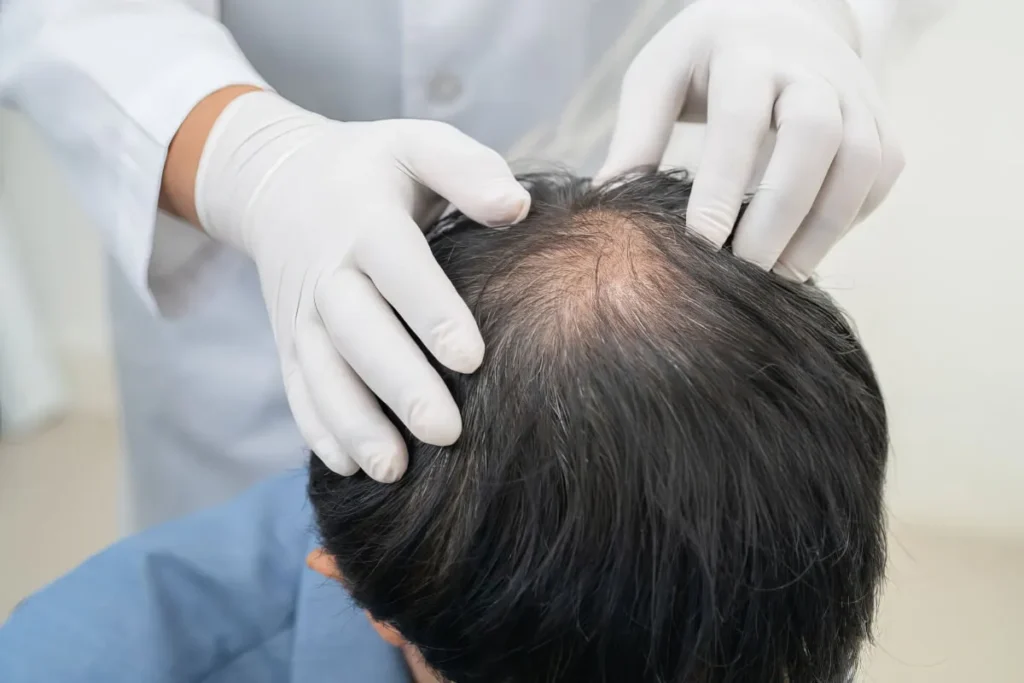
How the New Hair Transplant Procedure Works: Step‑by‑Step
The process begins with a thorough consultation to map the donor area and design the desired hairline. Using high‑resolution imaging, the surgeon determines the number of grafts required and the optimal distribution pattern.
1. Donor Site Mapping and Extraction
- Robotic or manual selection of robust follicular units.
- Micro‑punches (0.7 mm–0.9 mm) create tiny incisions.
- Each graft is placed in a sterile preservation solution.
2. Graft Preparation
Grafts are examined under a microscope to separate individual hairs, ensuring that each unit contains 1‑4 hairs. This meticulous handling maximizes the natural appearance once implanted.
3. Implantation
Using a fine‑needle or implanter pen, the surgeon places grafts into pre‑made recipient sites. The angle, direction, and density are carefully controlled to mimic natural growth patterns. For patients with extensive balding, a staggered approach may be employed over multiple sessions.
4. Post‑Procedure Care
After the operation, a light dressing protects the scalp. Patients receive instructions on gentle washing, medication, and activity restrictions to support graft survival.
The entire session typically lasts 6‑10 hours, depending on the number of grafts. Because the new hair transplant surgery avoids large incisions, most patients return to normal activities within a few days.
Benefits of the New Technique Compared to Traditional Methods
When evaluating hair restoration options, several factors set the new hair transplant surgery apart from older techniques such as strip harvesting or scalp reduction surgery.
- Minimal Scarring: Dot‑like punctures are virtually undetectable, unlike the linear scar from strip methods.
- Faster Recovery: Patients typically resume light activities within 48‑72 hours.
- Higher Graft Survival: Optimized storage media and reduced handling trauma improve long‑term results.
- Natural Appearance: Individual follicular units allow for seamless blending with existing hair.
- Flexibility for Women: The technique is suitable for female hair transplant, addressing concerns such as thinning crowns and receding hairlines without noticeable scars.
Research indicates that patients undergoing the new method report a 30 % higher satisfaction rate compared to those who received conventional strip grafts. Moreover, the procedure can be combined with complementary treatments like PRP (platelet‑rich plasma) to further stimulate hair growth.
Who Is an Ideal Candidate for the New Hair Transplant Surgery?
Not everyone experiencing hair loss will benefit from the procedure. Ideal candidates typically meet the following criteria:
- Stable Hair Loss: The pattern of thinning should be stable for at least 12 months.
- Adequate Donor Hair: Sufficient healthy follicles in the back or sides of the scalp.
- Realistic Expectations: Understanding that results develop over several months.
- Good Overall Health: Absence of uncontrolled diabetes, severe cardiovascular disease, or active scalp infections.
Both men and women can undergo the new hair transplant surgery. Women often benefit from the minimally invasive nature of the technique, especially when dealing with diffuse thinning rather than a distinct receding hairline. Men with male pattern baldness (androgenic alopecia) also see substantial improvements, particularly in the frontal and vertex areas.
Patients who have previously undergone hair plugs or older grafting methods may still be eligible, as the modern approach can harvest fresh follicles from untouched donor zones. However, a thorough evaluation by a qualified specialist is essential to determine suitability.
Preparing for Your Appointment and What to Expect After Treatment
Successful outcomes begin with proper preparation. Patients are advised to follow these steps in the weeks leading up to the procedure:
- Stop smoking at least two weeks prior, as nicotine impairs blood flow to grafts.
- Avoid anti‑inflammatory medications (e.g., ibuprofen) that could increase bleeding risk.
- Maintain a balanced diet rich in protein, iron, and vitamins to support hair growth.
- Arrange for a comfortable recovery space at home, with easy access to gentle shampoo and prescribed medications.
Post‑operative care focuses on protecting the grafts and minimizing swelling. Patients typically experience mild redness and crusting for the first few days. Gentle washing with a mild shampoo after 48 hours helps keep the scalp clean. Follow‑up visits allow the surgeon to assess graft take and address any concerns.
Hair growth usually becomes noticeable after three months, with full density developing between nine and twelve months. Ongoing maintenance, such as low‑level laser therapy or topical minoxidil, can enhance long‑term results.
Why Choose Gold City Medical Center
Gold City Medical Center combines cutting‑edge technology with a holistic approach to hair restoration. Our team of board‑certified surgeons specializes in the latest hair transplant techniques, ensuring each patient receives personalized care from consultation through recovery. With a focus on safety, precision, and natural results, we help individuals regain confidence and a fuller appearance.
Ready to discover a lasting solution for hair loss? Contact Gold City Medical Center today to schedule your personalized consultation and take the first step toward a revitalized look.
FAQ
What is new hair transplant surgery and how does it differ from traditional strip methods?
New hair transplant surgery uses minimally invasive follicular unit extraction with micro‑punches, reducing scarring and recovery time compared to traditional strip harvesting.
Who is an ideal candidate for the new hair transplant surgery?
Ideal candidates have stable hair loss, sufficient donor hair, realistic expectations, and good overall health.
What are the main benefits of the new hair transplant technique?
Benefits include minimal scarring, faster recovery, higher graft survival, and a more natural appearance.
How long does the entire hair transplant procedure take and what is the post‑procedure care?
The surgery lasts 6‑10 hours, and post‑procedure care involves gentle washing, medication, and activity restrictions for a few days.
Can the new hair transplant surgery be combined with other treatments?
Yes, it can be combined with PRP therapy, low‑level laser, or topical minoxidil to enhance results.
Why should I choose Gold City Medical Center for my hair transplant?
Gold City Medical Center offers cutting‑edge technology, board‑certified surgeons, and a personalized, holistic approach to hair restoration.





