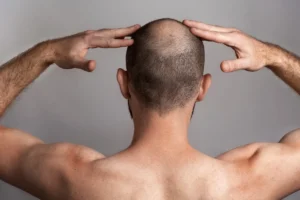
Normal hair shedding is a natural part of the hair growth cycle that most people experience without realizing it. Understanding why hair falls out each day helps you distinguish everyday loss from early signs of a problem. In fact, the average person loses between 50 and 100 hairs daily—a figure that can feel alarming when you see strands on your pillow or in the shower.
This article walks you through the science behind shedding, tells you how much loss is truly typical, and highlights factors that can temporarily increase the amount of hair you lose. Whether you’re a man noticing a receding hairline or a woman dealing with thinning hair, knowing the baseline will empower you to make informed decisions about your scalp health.
We’ll also discuss when it’s time to consult a professional, especially if you suspect conditions such as telogen effluvium or androgenetic alopecia. By the end, you’ll have a clear picture of what normal looks like and how to support healthy hair growth.
The Hair Growth Cycle and Why Shedding Occurs
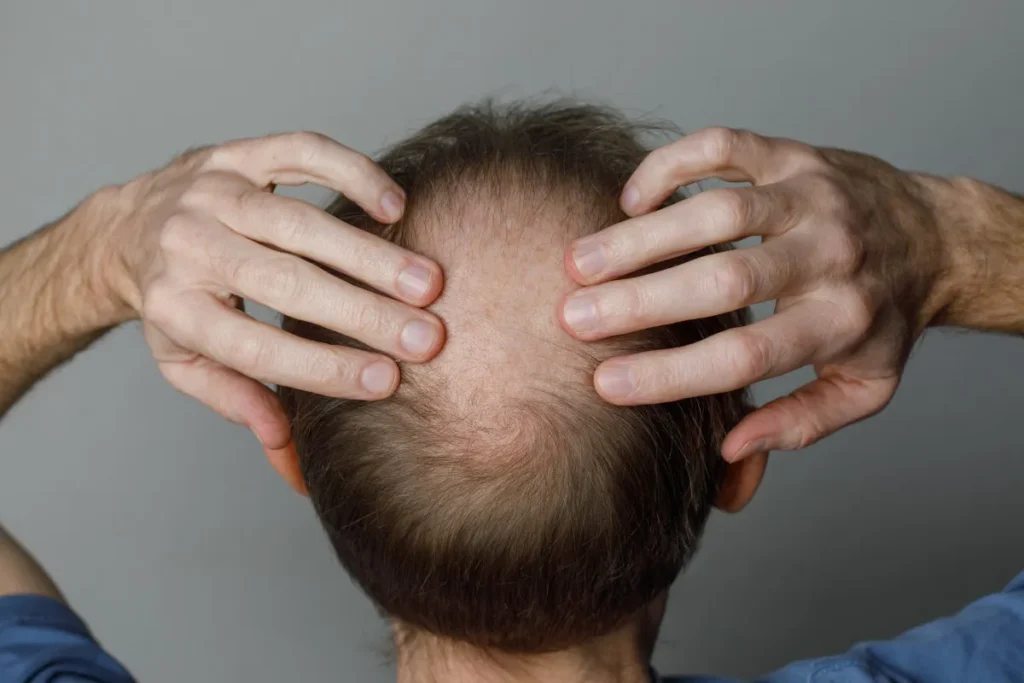
The scalp constantly renews itself through a three‑phase process: anagen (growth), catagen (transition), and telogen (rest). Approximately 85‑90% of hairs are in the anagen phase, actively growing for 2‑7 years. The remaining hairs are in catagen or telogen, where they prepare to shed.
During telogen, a hair follicle pauses its activity. After about 2‑4 months, the old strand is released and a new anagen hair pushes it out. This natural replacement is what we perceive as shedding. Because the cycle is staggered, only a small proportion of follicles shed at any given time, resulting in the typical daily loss of 50‑100 hairs.
Understanding this cycle clarifies why shedding spikes after major life events—such as surgery, severe illness, or intense stress—when many follicles simultaneously enter telogen. This temporary condition is known as telogen effluvium and usually resolves within six months without permanent hair loss.
| Phase | Duration | Percentage of Hairs | Key Characteristics |
|---|---|---|---|
| Anagen | 2‑7 years | 85‑90% | Active growth, strongest strand |
| Catagen | 2‑3 weeks | 1‑2% | Transition, follicle shrinks |
| Telogen | 2‑4 months | 10‑15% | Resting, ready to shed |
How Much Hair Is Considered Normal: Daily and Seasonal Variations
Most dermatologists agree that losing up to 100 hairs a day falls within the normal range. However, the exact number can fluctuate based on age, hormonal changes, and even the season. Studies show a slight increase in shedding during the summer months, likely due to higher temperatures and increased exposure to sunlight, which can accelerate the transition of hairs into telogen.
For men, especially those with a family history of male pattern baldness, the baseline may be on the higher end of the spectrum. Women often notice shedding during hormonal shifts such as pregnancy, postpartum, or menopause, where estrogen fluctuations affect the growth cycle.
To gauge your personal norm, try the “hair-pull test”: gently tug a small section of hair (about 20‑30 strands) from the crown. If you pull out fewer than 10 hairs, you’re likely within the normal range. Consistently pulling out more may indicate an underlying issue that warrants professional assessment.
- Typical daily loss: 50‑100 hairs
- Seasonal increase: up to 20% more in summer
- Age factor: slightly higher loss after age 50
- Gender differences: hormonal influences can shift numbers
Factors That Can Increase Shedding Without Signaling a Problem
Temporary spikes in shedding are common and often harmless. Below are the most frequent culprits:
Physical or Emotional Stress
Acute stress pushes a large number of follicles into the telogen phase, leading to noticeable shedding a few months later. This form of telogen effluvium typically resolves once stress levels normalize.
Dietary Changes and Nutrient Deficiencies
Insufficient protein, iron, zinc, or biotin can weaken hair shafts and accelerate shedding. Even short‑term restrictive diets (e.g., very low‑calorie plans) may trigger a temporary increase.
Medication and Medical Treatments
Certain drugs—such as anticoagulants, beta‑blockers, and retinoids—can cause hair loss as a side effect. Chemotherapy is a well‑known cause of rapid, extensive shedding, but the hair usually regrows after treatment ends.
Hair Styling Practices
Frequent tight ponytails, braids, or extensions create tension on the scalp, leading to traction alopecia. While this can become permanent if sustained, occasional styling rarely results in lasting damage.
- Identify recent life stressors.
- Review dietary intake for essential nutrients.
- Check medication side‑effects with your physician.
- Adopt gentle styling methods.
When to Seek Professional Evaluation: Distinguishing Normal from Abnormal Loss
While normal hair shedding is harmless, certain patterns suggest a need for medical attention. Consider scheduling an appointment if you notice any of the following:
- Hair loss exceeding 150 strands per day
- Visible bald patches or thinning crowns
- Rapid progression over weeks rather than months
- Accompanying scalp symptoms: itching, redness, or pain
- Family history of alopecia or androgenetic alopecia
Dermatologists may perform a scalp examination, pull test, and blood work to rule out conditions such as alopecia areata, iron deficiency anemia, thyroid disorders, or hormonal imbalances. In some cases, a scalp biopsy is required to differentiate between scarring and non‑scarring alopecia.
Early detection is crucial for effective treatment. For instance, if androgenetic alopecia is identified, options like finasteride, minoxidil, or hair transplantation can be discussed promptly, improving long‑term outcomes.
Supporting Healthy Hair: Lifestyle and Care Tips
Even if your shedding falls within the normal range, adopting supportive habits can minimize excess loss and promote robust growth.
Nutrition
Include protein‑rich foods (lean meats, legumes, dairy), iron sources (spinach, lentils), and omega‑3 fatty acids (salmon, walnuts). A daily multivitamin containing biotin, zinc, and vitamin D can fill minor gaps.
Scalp Care
Use a mild, sulfate‑free shampoo and avoid excessive heat styling. Gentle scalp massage for 5‑10 minutes daily stimulates blood flow, encouraging follicles to stay in the anagen phase longer.
Stress Management
Regular exercise, mindfulness meditation, or yoga can lower cortisol levels, reducing the risk of stress‑induced telogen shifts.
Medical Interventions
If you have a predisposition to androgenetic alopecia or notice early thinning, discuss preventive treatments with a specialist. Options range from topical minoxidil to low‑level laser therapy, each designed to strengthen existing hairs and prolong the growth phase.
| Action | Benefit | Suggested Frequency |
|---|---|---|
| Scalp massage | Improves circulation | 5‑10 minutes daily |
| Gentle shampoo | Reduces follicle irritation | 2‑3 times per week |
| Balanced diet | Provides essential nutrients | Every meal |
| Stress‑relief practice | Lowers cortisol‑related shedding | 30 minutes most days |
Why Choose Gold City Medical Center
Gold City Medical Center combines cutting‑edge medical expertise with personalized care for hair health. Our integrative approach addresses both the underlying medical causes of shedding and the aesthetic goals of our patients. With a dedicated team of dermatologists, trichologists, and hair‑transplant surgeons, we offer comprehensive diagnostics, evidence‑based treatments, and state‑of‑the‑art hair restoration procedures—all under one roof.
Whether you’re experiencing subtle shedding or early signs of alopecia, our tailored programs ensure you receive the most appropriate, effective solution for lasting results.
Ready to understand your hair’s health and take proactive steps? Contact Gold City Medical Center today to schedule a personalized consultation. Experience professional guidance and modern treatments that support your confidence and well‑being.
FAQ
What is considered normal daily hair shedding?
Most people lose between 50 and 100 hairs each day, which is regarded as normal.
How does the hair growth cycle work and why does shedding happen?
Hair grows in three phases—anagen, catagen, and telogen—and shedding occurs when telogen hairs are replaced by new growth.
What is telogen effluvium and how long does it last?
Telogen effluvium is a temporary increase in shedding caused by many hairs entering the telogen phase, usually resolving within six months.
When should I see a dermatologist for hair loss?
Seek professional help if you lose more than 150 hairs daily, notice bald patches, rapid thinning, or scalp symptoms.
Can stress or diet cause temporary hair shedding?
Yes, acute stress and nutrient deficiencies can trigger short‑term shedding, often resolving once the trigger is removed.
What are effective ways to support healthy hair and reduce shedding?
Maintain a balanced diet, use gentle hair care products, massage the scalp, manage stress, and consider medical prevention if predisposed to alopecia.