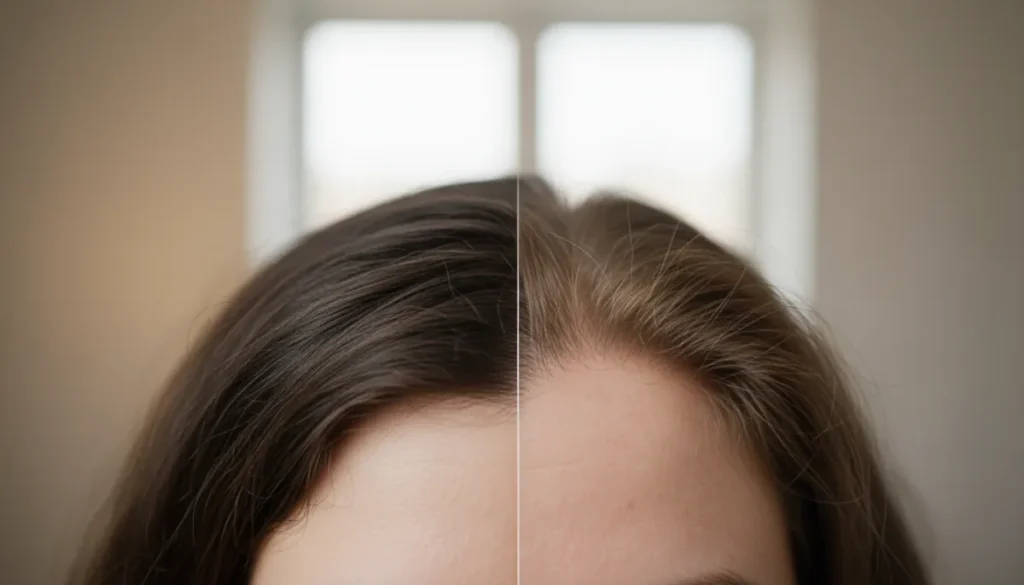
The comparison of a normal scalp vs hair loss scalp is essential for anyone noticing thinning strands or bald spots. Understanding the visual and physiological differences helps you decide whether a simple lifestyle tweak or a professional intervention is needed. Each year, millions of people experience unexpected hair shedding, and early detection can dramatically improve treatment outcomes.
In this article we will explore the characteristics that set a healthy scalp apart from one affected by hair loss, examine the most common causes, and outline diagnostic steps you can expect during a specialist visit. Whether you are dealing with male pattern baldness, female pattern thinning, or an alopecia condition, recognizing the signs early allows for a tailored plan that maximizes regrowth potential.
We will also highlight the integrative solutions offered by Gold City Medical Center, where medical expertise meets cutting‑edge cosmetic and hair‑restoration technologies. By the end of this guide, you will know exactly what to look for, how to interpret scalp health, and which treatment paths are most effective for your situation.
Key Differences Between a Healthy Scalp and a Hair‑Loss Scalp
A normal scalp typically exhibits uniform hair density, consistent sebum production, and a balanced microbiome. In contrast, a hair loss scalp often shows visible thinning, miniaturized hair follicles, and sometimes increased scalp visibility or redness. These visual cues are accompanied by subtle changes in texture and oil levels.
- Hair density: Even distribution versus patchy or diffuse thinning.
- Follicle size: Full‑length shafts versus short, fine, vellus‑like hairs.
- Scalp skin condition: Smooth and hydrated versus dry, flaky, or inflamed.
- Oil production: Balanced sebum versus excessive oiliness or dryness.
Below is a quick reference table that summarizes the most observable traits.
| Feature | Normal Scalp | Hair‑Loss Scalp |
|---|---|---|
| Hair density | Uniform, full coverage | Reduced, patchy, or diffuse |
| Follicle appearance | Thick, pigmented shafts | Miniaturized, fine, non‑pigmented |
| Scalp skin | Even tone, minimal scaling | Redness, scaling, or visible blood vessels |
| Oil level | Balanced sebum | Either overly oily or excessively dry |
Common Causes of Hair Loss and Their Impact on the Scalp
Understanding why a scalp transitions from normal to a hair‑loss condition is crucial for effective treatment. The most prevalent causes include genetic factors, hormonal shifts, autoimmune reactions, and mechanical stress.
Androgenetic Alopecia (Male and Female Pattern Baldness)
Androgenetic alopecia, often referred to as male or female pattern baldness, is driven by dihydrotestosterone (DHT) sensitivity in genetically predisposed follicles. Over time, affected follicles shrink, producing thinner hairs and eventually ceasing production altogether. This condition accounts for the majority of cases in both men and women.
Autoimmune Alopecia (Alopecia Areata)
In alopecia areata, the immune system mistakenly attacks hair follicles, leading to sudden, patchy hair loss. While the scalp skin may appear normal, the underlying inflammation disrupts the growth cycle, creating distinct bald spots.
Telogen Effluvium and Stress‑Related Shedding
Telogen effluvium, sometimes called hair loss telogen, occurs when a larger-than‑usual number of hairs enter the resting phase simultaneously, often triggered by severe stress, illness, or hormonal changes. The scalp may look normal initially, but diffuse thinning becomes evident after a few months.
Traction Alopecia
Repeated tension from tight hairstyles can cause traction alopecia, a form of hair loss that starts at the hairline and progresses inward. The scalp may develop inflammation and follicle damage if the stress continues.
- Genetic predisposition – androgenetic alopecia
- Autoimmune response – alopecia areata
- Physiological stress – telogen effluvium
- Mechanical stress – traction alopecia
- Hormonal fluctuations – postpartum or menopause
Diagnosing Scalp Health: What Professionals Look For
When you visit a specialist, a thorough assessment distinguishes a normal scalp from a hair loss scalp and pinpoints the underlying cause. The evaluation typically includes visual inspection, trichoscopy, and, when needed, laboratory testing.
Visual Inspection and Patient History
The clinician first examines hair density, distribution, and scalp condition while asking about family history, recent illnesses, medication use, and lifestyle factors. This conversation helps narrow down possibilities such as androgenetic alopecia, alopecia areata, or telogen effluvium.
Trichoscopy (Scalp Dermoscopy)
Trichoscopy provides magnified images of the scalp, revealing miniaturized follicles, perifollicular inflammation, or broken hairs. For example, the presence of “exclamation mark” hairs is a hallmark of alopecia areata, while uniform miniaturization points toward androgenetic alopecia.
Laboratory Tests
Blood work may be ordered to rule out nutritional deficiencies, thyroid disorders, or hormonal imbalances that can contribute to hair loss. Common tests include complete blood count, ferritin, thyroid‑stimulating hormone (TSH), and androgen levels.
- Visual scalp exam – assesses density and skin condition.
- Trichoscopy – detects follicle miniaturization and inflammation.
- Blood tests – identify systemic factors like iron deficiency or thyroid issues.
Treatment Options for Hair‑Loss Scalp at Gold City Medical Center
Gold City Medical Center offers a comprehensive suite of evidence‑based treatments tailored to the specific cause identified during diagnosis. Options range from medical therapies to advanced cosmetic procedures.
Medical Therapies
For androgenetic alopecia, topical minoxidil and oral finasteride remain first‑line treatments. In cases of alopecia areata, corticosteroid injections or systemic immunomodulators can halt the autoimmune attack. Telogen effluvium often resolves with stress management and correction of underlying deficiencies.
Platelet‑Rich Plasma (PRP) Therapy
PRP involves drawing a small amount of your blood, concentrating the platelets, and injecting them into the scalp. Growth factors stimulate dormant follicles, improving density and encouraging new growth, especially in early‑stage hair‑loss scalps.
Hair Transplant Techniques
For advanced thinning or bald spots, the clinic provides follicular unit extraction (FUE) and the newer robotic‑assisted FUE. These methods relocate healthy follicles from a donor area to the hair‑loss scalp, delivering natural‑looking results with minimal scarring.
Adjunct Cosmetic Services
Scalp micro‑needling, low‑level laser therapy, and customized topical blends can complement primary treatments, enhancing blood flow and nutrient delivery to the scalp.
- Topical minoxidil – stimulates hair growth.
- Oral finasteride – blocks DHT production.
- PRP therapy – uses your own platelets to rejuvenate follicles.
- FUE hair transplant – relocates healthy follicles.
- Laser therapy – boosts scalp circulation.
Preventive Care and Lifestyle Tips for Maintaining a Normal Scalp
While professional treatment is vital for established hair loss, many everyday habits can help preserve a normal scalp and reduce the risk of future thinning.
Nutrition and Supplements
Adequate protein, iron, zinc, and biotin intake supports keratin production. A balanced diet rich in fruits, vegetables, and omega‑3 fatty acids promotes a healthy scalp microbiome.
Scalp Hygiene
Gentle cleansing with pH‑balanced shampoos prevents excess oil buildup without stripping natural oils. Avoiding harsh chemicals and excessive heat styling reduces follicle stress.
Stress Management
Chronic stress can trigger telogen effluvium. Incorporating regular exercise, mindfulness, and adequate sleep helps maintain the hair growth cycle.
Protective Styling
Limit tight hairstyles that cause traction alopecia. Opt for looser braids, ponytails, or natural styles to minimize mechanical strain on the hair follicles.
- Eat protein‑rich foods – eggs, fish, legumes.
- Supplement with iron and biotin if deficient.
- Use gentle, sulfate‑free shampoos.
- Practice stress‑relief techniques daily.
- Avoid tight hairstyles that pull on the scalp.
Why Choose Gold City Medical Center
Gold City Medical Center combines medical expertise with cutting‑edge cosmetic technology to deliver personalized hair‑restoration solutions. Our multidisciplinary team evaluates each patient’s scalp health, identifies the precise cause of hair loss, and crafts a treatment plan that may include medication, PRP, or advanced hair‑transplant procedures. With a focus on safety, efficacy, and natural results, we help you restore confidence and achieve lasting scalp health.
Ready to transform your scalp and regain a fuller head of hair? Contact Gold City Medical Center today to schedule a comprehensive scalp assessment and discover the best treatment pathway for you.
Call us or use our online booking system – your journey to a healthier scalp starts now.
FAQ
How can I tell if my scalp is normal or experiencing hair loss?
Look for uniform hair density, balanced oil production, and a smooth, hydrated scalp; hair‑loss scalps often show thinning, miniaturized follicles, dryness or redness.
What are the most common causes of hair loss?
The main causes include androgenetic alopecia, autoimmune alopecia (alopecia areata), telogen effluvium, traction alopecia, and hormonal fluctuations.
What diagnostic tests do doctors use to assess hair loss?
Doctors rely on visual inspection, patient history, trichoscopy (scalp dermoscopy), and sometimes blood tests to identify underlying factors.
Which treatments are most effective for androgenetic alopecia?
Topical minoxidil, oral finasteride, PRP therapy, and hair‑transplant procedures such as FUE are the most evidence‑based options.
How can lifestyle changes help prevent hair loss?
Balanced nutrition, gentle scalp hygiene, stress management, and avoiding tight hairstyles support a healthy scalp and reduce thinning risk.





