Protein baldness is a concern that surfaces when individuals notice thinning hair after changing their diet or supplement routine. While the idea that protein directly causes hair loss is often oversimplified, the relationship between nutrition, stress, and hair follicles is complex and worth exploring. In this article we will examine the science behind protein baldness, debunk common misconceptions, and present practical steps you can take to support healthy hair growth.
Recent studies suggest that inadequate or excessive protein intake can affect the hair growth cycle, potentially leading to conditions such as telogen effluvium. According to a 2023 dermatology review, up to 30% of patients experiencing sudden hair shedding reported dietary imbalances as a contributing factor. Understanding these dynamics is essential for anyone seeking a balanced approach to hair health.
We will cover the role of protein in the hair shaft, how stress interacts with nutrition, dietary recommendations, and medical options available at Gold City Medical Center. By the end, you’ll have a clear roadmap to address protein-related hair concerns and make informed choices for lasting results.
How Protein Intake Influences Hair Health
Hair is primarily composed of a protein called keratin, which means that adequate protein consumption is vital for hair strength and growth. When the body lacks sufficient amino acids, it may prioritize essential functions over hair production, leading to a condition known as telogen effluvium—a temporary shedding phase where hair follicles enter the resting stage.
Key mechanisms linking protein and hair include:
- Supply of essential amino acids for keratin synthesis.
- Regulation of hormonal balance that influences the hair growth cycle.
- Support of scalp circulation and follicle nourishment.
Conversely, excessive protein—especially from low‑quality sources or high‑dose supplements—can increase metabolic stress, potentially triggering hair loss in susceptible individuals. This is why many people wonder whether protein powder or whey shakes might cause baldness.
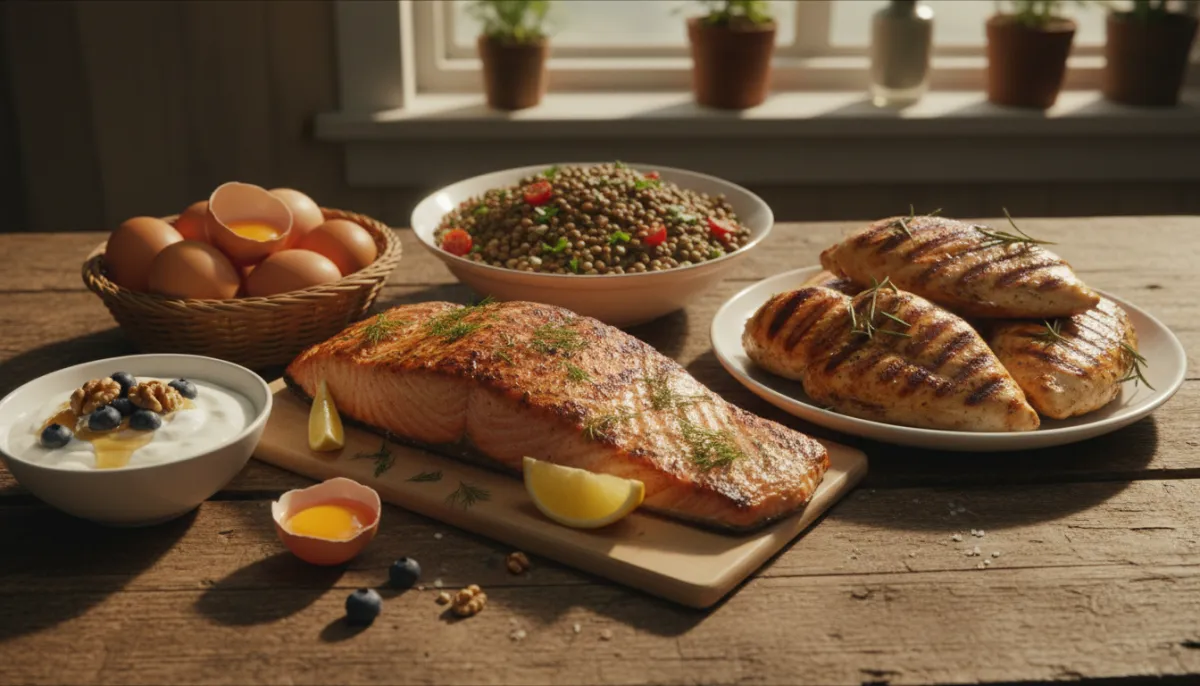
Below is a list of protein‑rich foods that also provide micronutrients beneficial for hair growth:
- Lean poultry (chicken, turkey) – high in complete proteins and iron.
- Fatty fish (salmon, mackerel) – offers omega‑3 fatty acids and vitamin D.
- Legumes (lentils, chickpeas) – plant‑based protein with zinc and biotin.
- Greek yogurt – contains casein protein and probiotic cultures.
- Eggs – provide biotin, selenium, and all essential amino acids.
Balancing protein intake with other nutrients—such as iron, zinc, and vitamins A, C, and E—creates an environment where hair follicles can thrive.
Common Myths About Protein and Hair Loss
There is a flood of misinformation online about protein baldness, ranging from the belief that all protein powders cause hair loss to the notion that a high‑protein diet inevitably leads to thinning. Let’s separate fact from fiction.
Myth 1: “Protein powder always makes you bald.” The reality is that most protein powders are safe when used as directed. However, excessive consumption—especially of low‑quality isolates with added sugars or artificial sweeteners—can create an imbalance that stresses the endocrine system, potentially aggravating hair shedding in those already predisposed.
Myth 2: “If you’re losing hair, you should cut protein out completely.” Cutting protein dramatically reduces the building blocks needed for keratin, which can worsen hair loss. Instead, focus on moderate, high‑quality protein sources and ensure you’re meeting your daily recommended intake (about 0.8 g per kilogram of body weight for most adults).
Myth 3: “Only women suffer from protein‑related hair loss.” Both men and women experience telogen effluvium linked to nutritional deficits. Hormonal fluctuations, stress, and dietary changes affect everyone.
Addressing these myths helps you make smarter choices about supplementation, diet, and when to seek professional advice.
Dietary Strategies to Support Hair Growth
When it comes to combating protein baldness, a well‑balanced diet is the cornerstone of any effective plan. Below is a comparison table that outlines popular foods, their protein content per 100 g, and additional nutrients that directly benefit hair follicles.
| Food Item | Protein (g/100 g) | Key Hair‑Supporting Nutrients |
|---|---|---|
| Chicken breast (cooked) | 31 | Iron, Vitamin B6 |
| Salmon (wild) | 25 | Omega‑3, Vitamin D |
| Lentils (boiled) | 9 | Zinc, Biotin |
| Greek yogurt (plain) | 10 | Calcium, Probiotics |
| Eggs (whole) | 13 | Biotin, Selenium |
In addition to protein, consider these dietary habits to maximize hair health:
- Balance your macronutrients: Pair protein with healthy fats and complex carbohydrates to stabilize blood sugar and reduce stress‑related hair shedding.
- Stay hydrated: Adequate water intake supports scalp circulation and nutrient transport.
- Include antioxidant‑rich foods: Berries, leafy greens, and nuts combat oxidative stress that can damage hair follicles.
For those following a vegetarian or vegan lifestyle, combining legumes with whole grains (e.g., rice and beans) ensures a complete amino acid profile, preventing the protein deficiency that can trigger telogen effluvium.
Medical Approaches When Diet Isn’t Enough
Even with optimal nutrition, some individuals experience persistent hair loss due to genetic factors, hormonal imbalances, or chronic stress. In such cases, medical interventions can complement dietary efforts.
Topical treatments such as minoxidil stimulate blood flow to the scalp and prolong the anagen (growth) phase. Oral supplements containing biotin, iron, and zinc are often prescribed to address specific deficiencies identified through blood tests.
For patients with advanced thinning, hair transplant procedures offered at Gold City Medical Center provide a permanent solution by relocating healthy follicles from donor areas to balding zones. Our integrative approach also includes PRP (platelet‑rich plasma) therapy, which delivers growth factors directly to the scalp to enhance follicle vitality.
When stress is a major contributor, we recommend a multidisciplinary plan that combines counseling, stress‑management techniques, and, if needed, short‑term medication to regulate cortisol levels. This comprehensive strategy tackles the root causes of protein baldness rather than merely treating the symptoms.
Lifestyle Factors That Interact With Protein Balance
Beyond diet, everyday habits play a pivotal role in whether protein baldness manifests. Chronic stress, inadequate sleep, and excessive heat styling can all disrupt the hair growth cycle.
Stress and hair loss are closely linked; cortisol spikes can push hair follicles into the telogen phase prematurely. Managing stress through mindfulness, regular exercise, and adequate rest helps maintain hormonal equilibrium and supports protein utilization for keratin production.
Additionally, over‑processing hair with harsh chemicals or high‑heat tools damages the cuticle, making hair more prone to breakage. While this does not cause baldness directly, it can exacerbate the appearance of thinning caused by protein deficiencies.
To create a hair‑friendly lifestyle:
- Aim for 7‑9 hours of sleep per night to allow cellular repair.
- Incorporate stress‑relief practices such as yoga or meditation.
- Limit heat styling to 2‑3 times per week and use heat‑protectant products.
- Choose gentle, sulfate‑free shampoos that preserve scalp oils.
By aligning nutrition, medical care, and healthy habits, you can significantly reduce the risk of protein baldness and promote robust, resilient hair.
Why Choose Gold City Medical Center
Gold City Medical Center combines cutting‑edge medical expertise with a holistic approach to hair health. Our team of dermatologists, nutrition specialists, and hair restoration surgeons works together to create personalized treatment plans that address the underlying causes of protein baldness. With state‑of‑the‑art facilities, evidence‑based therapies, and a commitment to patient education, we empower you to achieve lasting results and renewed confidence.
Ready to take control of your hair health? Contact Gold City Medical Center today for a comprehensive evaluation and a customized plan that balances nutrition, lifestyle, and advanced medical care.
Call us or fill out our online form to schedule your consultation—your journey to stronger, fuller hair starts now.
FAQ
What is protein baldness and how does it occur?
Protein baldness refers to hair thinning or shedding linked to inadequate or excessive protein intake, affecting the hair growth cycle.
Can excessive protein intake cause hair loss?
Yes, especially from low‑quality protein sources or over‑supplementation, it can increase metabolic stress and contribute to hair shedding.
Which protein‑rich foods are best for supporting hair growth?
Lean poultry, fatty fish, legumes, Greek yogurt, and eggs provide high‑quality protein plus hair‑supporting micronutrients.
How do common myths about protein powder and hair loss compare to scientific evidence?
Most protein powders are safe when used as directed; hair loss is linked to over‑consumption or low‑quality additives, not the powder itself.
What dietary strategies can help prevent telogen effluvium related to protein deficiency?
Maintain moderate protein intake, pair it with iron, zinc, and vitamins, stay hydrated, and include antioxidant‑rich foods.
When should I consider medical treatments for protein‑related hair loss?
If hair loss persists despite dietary changes, consult a dermatologist for topical, oral, or procedural options.





