Understanding protein and hair loss is essential for anyone noticing increased shedding or thinning strands. Protein supplies the building blocks—amino acids—that form keratin, the primary protein in hair fibers. When the body lacks sufficient protein, hair follicles receive fewer nutrients, leading to weaker strands and, in some cases, noticeable hair loss. This article explores the science behind the connection, highlights protein‑rich foods that promote robust hair, and offers practical dietary strategies for maintaining a healthy scalp.
Recent studies show that up to 30% of individuals with diffuse hair thinning have a dietary protein deficiency. Moreover, rapid weight loss or restrictive diets can exacerbate the problem, as the body prioritizes vital organs over hair growth. By examining the role of protein, you can make informed choices that support both overall health and a fuller, stronger mane.
We will cover the biological mechanisms, recommend specific foods and supplements, discuss when protein intake might inadvertently contribute to hair thinning, and outline lifestyle habits that complement a balanced diet for optimal hair health.
Understanding the Link Between Protein and Hair Loss
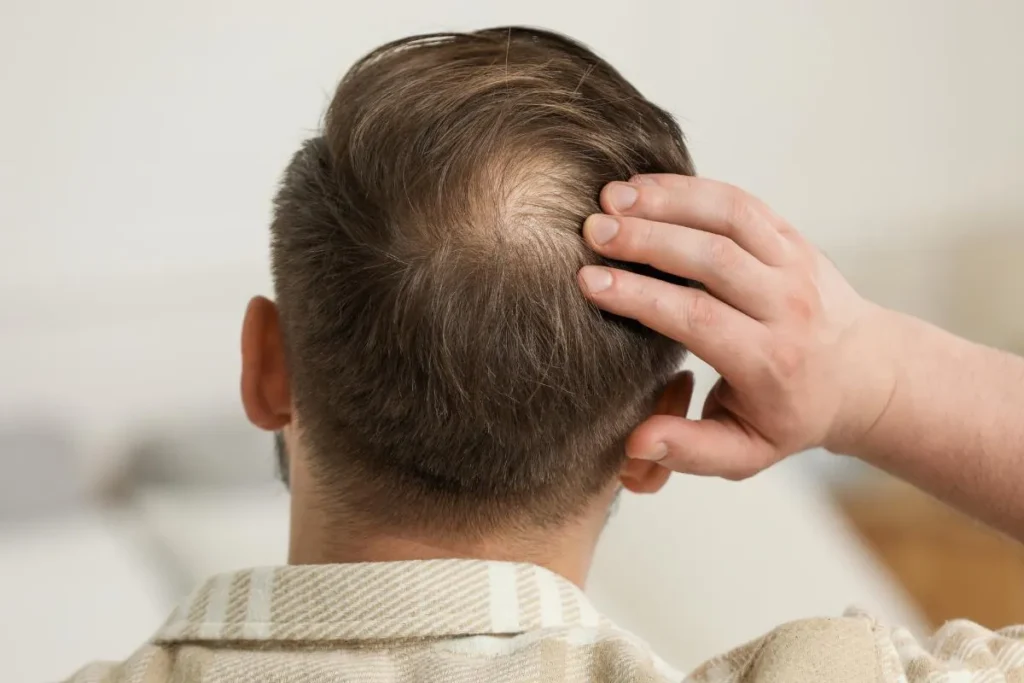
Hair is composed of keratin, a fibrous protein made up of amino acids such as cysteine, methionine, and lysine. These amino acids are sourced from dietary protein, which the body breaks down and reallocates to tissues in need. When protein intake is inadequate, the body conserves resources by reducing keratin production, leading to a condition known as telogen effluvium—where more hairs enter the resting phase and fall out.
Beyond sheer quantity, the quality of protein matters. Complete proteins, containing all essential amino acids, are more effective at supporting hair follicle activity. Animal sources like eggs, fish, and lean meat provide complete proteins, while most plant sources are incomplete but can be combined (e.g., beans with rice) to achieve a full amino acid profile.
Research also indicates that certain amino acids, particularly cysteine, directly influence hair strength and elasticity. A deficiency in cysteine can cause brittle hair that breaks easily, often mistaken for increased shedding. Therefore, ensuring a diet rich in cysteine‑containing foods—such as poultry, legumes, and nuts—can mitigate this risk.
While protein deficiency is a well‑documented cause of hair loss, it is not the sole factor. Hormonal imbalances, iron deficiency, and stress also play significant roles. Nonetheless, addressing protein intake is a foundational step in a comprehensive hair‑health plan.
Key Biological Processes
- Keratin synthesis: Requires a steady supply of amino acids.
- Cell proliferation: Hair matrix cells divide rapidly; protein fuels this growth.
- Hormonal regulation: Adequate protein helps balance hormones that affect hair cycles.
Common Myths
Many believe that high‑protein diets automatically prevent hair loss. In reality, excessive protein without balanced nutrients can strain kidneys and may not improve hair health if other deficiencies exist, such as iron or vitamin D.
Essential Protein‑Rich Foods for Healthy Hair
Incorporating a diverse range of protein sources ensures you receive all essential amino acids needed for robust hair growth. Below is a table that matches common foods with their protein content and specific hair‑benefiting nutrients.
| Food | Protein (g per 100 g) | Hair‑Supporting Nutrients |
|---|---|---|
| Chicken breast | 31 | High in lysine, zinc |
| Salmon | 25 | Omega‑3 fatty acids, vitamin D |
| Greek yogurt | 10 | Calcium, vitamin B12 |
| Quinoa | 14 | Complete protein, iron |
| Almonds | 21 | Vitamin E, biotin |
| Eggs | 13 | Biotin, choline |
These foods align with the diet for good hair growth and can be combined into meals that are both tasty and nutritionally balanced. For example, a breakfast of scrambled eggs with spinach and a side of quinoa provides a complete amino acid profile, iron, and B‑vitamins—all crucial for the hair growth cycle.
Vegetarians and vegans can still meet their protein needs by pairing legumes with grains, such as lentils with brown rice, or incorporating soy products like tofu and tempeh. Adding nuts and seeds boosts both protein and essential fatty acids, supporting scalp health.
Sample Meal Plan
- Breakfast: Greek yogurt parfait with berries, chia seeds, and a drizzle of honey.
- Lunch: Grilled salmon salad with mixed greens, avocado, and quinoa.
- Snack: Handful of almonds and a boiled egg.
- Dinner: Stir‑fried chicken breast with broccoli, bell peppers, and brown rice.
Following a balanced diet for hair growth like this ensures you receive sufficient protein while also delivering vitamins and minerals that prevent hair thinning.
When Protein Intake May Contribute to Hair Thinning
While protein is vital, an excess—especially from low‑quality sources—can paradoxically lead to hair issues. Overconsumption of protein powders and shakes, particularly those lacking balanced micronutrients, may cause an imbalance in nitrogen waste products, putting additional load on the kidneys and potentially affecting hair follicle health.
Moreover, many high‑protein supplements contain added sugars, artificial sweeteners, or heavy metals that can trigger inflammation. Inflammation is a known contributor to hair loss when losing weight and can exacerbate conditions like androgenic alopecia.
Individuals following very low‑carbohydrate or ketogenic diets sometimes report increased hair shedding during the initial adaptation phase. This is often linked to rapid weight loss, which can cause a temporary deficiency in essential vitamins (e.g., B‑complex) and minerals, intensifying the perception that protein alone is the culprit.
Key signs that protein intake may be too high include:
- Persistent scalp dryness or irritation.
- Frequent hair breakage despite adequate grooming.
- General fatigue or digestive discomfort.
If you notice these symptoms, consider reducing reliance on protein powders and focusing on whole‑food sources. Pairing protein with adequate fats and carbohydrates helps maintain hormonal balance and supports the hair growth cycle.
Choosing Quality Protein Supplements
When supplementation is necessary—such as for athletes or individuals with increased needs—opt for products labeled as protein powder for hair growth that also contain biotin, zinc, and vitamin D. Avoid formulas with excessive artificial additives.
Supplement Strategies: Protein Powders and Shakes
For those who struggle to meet protein targets through meals alone, targeted supplements can be a practical solution. However, it is essential to choose formulas that align with hair‑supportive nutrition.
Research on protein supplements hair loss suggests that blends containing whey or pea protein combined with micronutrients such as biotin, iron, and zinc show the most promise in reducing shedding and promoting thicker strands.
Below is a comparison of three popular supplement categories:
| Supplement Type | Key Protein Source | Added Hair‑Supportive Nutrients | Best Use Case |
|---|---|---|---|
| Whey Protein Isolate | Dairy‑derived | Biotin, Vitamin B12 | Post‑workout recovery |
| Pea Protein Powder | Plant‑based | Zinc, Iron | Vegan/vegetarian diets |
| Collagen Peptides | Animal‑derived | Vitamin C (added) | Skin and joint health plus hair |
When incorporating a shake, aim for 20‑30 g of protein per serving, and add a source of healthy fat (e.g., a spoon of almond butter) to improve absorption of fat‑soluble vitamins that also benefit hair.
It is also worth noting that some individuals experience temporary hair shedding when first increasing protein intake—a normal adjustment as the body reallocates resources. This phase typically resolves within 4‑6 weeks if the diet remains balanced.
Practical Tips
- Mix protein powder with fortified plant milk for extra calcium.
- Include a handful of berries for antioxidants that protect scalp cells.
- Consume the shake within 30 minutes after exercise to maximize muscle and hair recovery.
Lifestyle Factors and a Balanced Diet for Hair Growth
Protein is only one piece of the hair‑health puzzle. A good diet for hair growth also includes adequate intake of vitamins (A, C, D, E), minerals (iron, zinc, selenium), and essential fatty acids. Moreover, lifestyle habits such as stress management, regular sleep, and moderate exercise play a crucial role.
Stress triggers the release of cortisol, which can push hair follicles into the resting phase, leading to increased shedding. Likewise, chronic sleep deprivation disrupts hormone production, including melatonin, which has been linked to follicle regeneration.
Combining a protein‑rich diet with these lifestyle practices creates a synergistic effect:
- Stress reduction: Meditation, deep‑breathing, or yoga can lower cortisol levels.
- Quality sleep: Aim for 7‑9 hours per night to support hormone balance.
- Regular physical activity: Improves circulation, delivering nutrients to the scalp.
Addressing vitamin deficiency hair loss is also essential. Iron deficiency, for example, is a leading cause of diffuse hair shedding, especially in women. Including iron‑rich foods like lentils, spinach, and lean red meat, paired with vitamin C‑rich fruits, enhances absorption.
Finally, stay hydrated. Water constitutes about 25% of hair weight, and dehydration can make hair appear dull and brittle.
Sample Daily Routine for Hair Wellness
- Morning: Hydrating glass of water + multivitamin with breakfast (protein‑rich).
- Mid‑day: Light walk or stretch break to improve circulation.
- Evening: Balanced dinner with salmon, quinoa, and steamed vegetables.
- Night: 30 minutes of mindfulness meditation before a full night’s sleep.
Why Choose Gold City Medical Center
At Gold City Medical Center, we combine medical expertise with integrative care to address hair concerns from every angle. Our team of dermatologists, nutrition specialists, and hair transplant surgeons works together to create personalized treatment plans that include dietary guidance, supplement recommendations, and advanced hair restoration techniques. Whether you are dealing with protein‑related shedding or seeking a comprehensive hair health strategy, our evidence‑based approach ensures safe, effective results tailored to your unique needs.
Ready to strengthen your hair from the inside out? Contact Gold City Medical Center today to schedule a personalized nutrition and hair health consultation. Take the first step toward fuller, healthier hair—your journey begins now.
FAQ
How does protein affect hair loss?
Protein provides the amino acids needed to build keratin, the main structural protein of hair, so insufficient protein can weaken strands and trigger shedding.
Which foods are best for promoting hair growth?
Eggs, salmon, chicken breast, Greek yogurt, quinoa, and almonds are top protein‑rich choices that also supply hair‑supporting nutrients.
Can too much protein cause hair thinning?
Excessive protein, especially from low‑quality powders, can stress kidneys and create imbalances that may lead to scalp irritation and hair breakage.
What protein supplements are good for hair health?
Whey isolate with biotin, pea protein with zinc and iron, and collagen peptides with vitamin C are the most hair‑supportive options.
How long does it take to see hair improvement after changing diet?
Visible improvements usually appear after 3–6 months of consistent, protein‑rich nutrition.
Are there specific amino acids important for hair strength?
Cysteine, methionine, and lysine are the key amino acids that directly influence hair strength and elasticity.





