When you search for prp hair treatment before and after images, you’re looking for real‑world evidence that this therapy can truly revitalize thinning hair. Platelet‑rich plasma (PRP) has become a popular option for individuals seeking a minimally invasive solution to hair loss, and many patients wonder what the process entails from the initial consultation to the visible outcomes. In this article we will walk you through every stage of the treatment, explain how PRP works, and show you what typical before‑and‑after results look like. According to recent clinical observations, up to 70 % of participants notice measurable hair density improvement after a series of sessions. Understanding these details helps you set realistic expectations and decide if PRP is the right choice for you.
We’ll start by breaking down the science behind PRP hair treatment, then cover the preparation steps you should follow before your first appointment. Next, we’ll discuss post‑procedure care, the timeline of results, and how PRP compares with other baldness therapies such as microneedling and hair transplantation. By the end of this guide, you’ll have a clear picture of the prp hair treatment before and after journey and be equipped to make an informed decision.
How PRP Hair Treatment Works
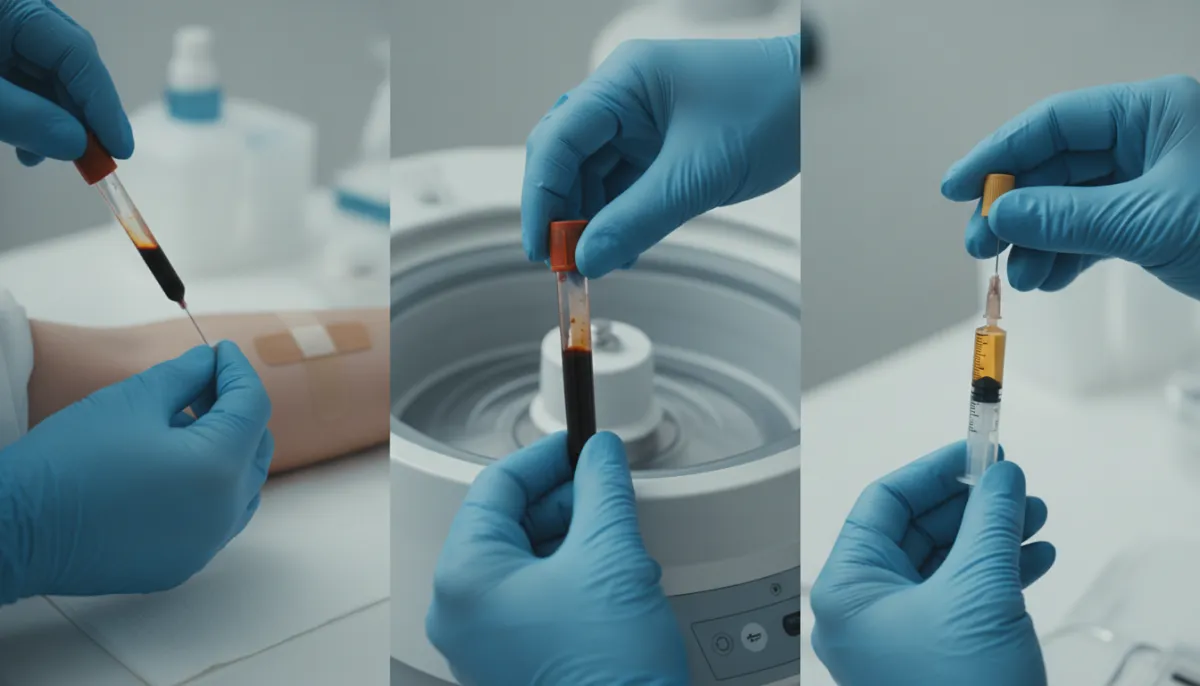
Platelet‑rich plasma therapy harnesses the body’s own healing properties to stimulate hair follicles. The process begins with a small blood draw, typically 10‑20 ml, which is then placed in a centrifuge. Spinning the blood separates it into layers, concentrating the platelets that contain growth factors essential for tissue regeneration.
Key Steps in the Procedure
- Blood collection: A qualified practitioner draws a modest amount of blood from the patient’s arm.
- Centrifugation: The sample is spun at high speed to isolate the platelet‑rich layer.
- Activation: Calcium chloride or thrombin may be added to activate the platelets.
- Injection: The activated PRP is injected into the scalp at strategic points where hair thinning is evident.
The growth factors released by the platelets, such as PDGF, TGF‑β, and VEGF, promote increased blood flow, stem‑cell activation, and prolonged anagen (growth) phase of hair follicles. This biological cascade can lead to thicker, healthier hair over time.
| Component | Function in Hair Regeneration |
|---|---|
| Platelet‑Derived Growth Factor (PDGF) | Stimulates fibroblast activity and angiogenesis. |
| Transforming Growth Factor‑Beta (TGF‑β) | Regulates cell proliferation and differentiation. |
| Vascular Endothelial Growth Factor (VEGF) | Enhances blood vessel formation to nourish follicles. |
Because the plasma is derived from the patient’s own blood, the risk of allergic reaction or rejection is negligible, making PRP a safe alternative for many.
What to Expect Before the Procedure
Proper preparation maximizes the effectiveness of the prp hair treatment before and after results you’ll eventually see. Patients are advised to follow a few simple guidelines in the days leading up to their appointment.
Pre‑Appointment Checklist
- Avoid anti‑inflammatory medications (e.g., ibuprofen) for at least one week, as they can interfere with platelet function.
- Limit alcohol consumption 48 hours prior, which may affect blood quality.
- Stay well‑hydrated; drinking plenty of water supports optimal plasma volume.
- Shave or trim the target area if instructed, allowing better access for injections.
- Inform the practitioner of any medical conditions, such as blood disorders or recent infections.
During the initial consultation, the specialist will assess your scalp condition, discuss your hair loss pattern, and outline a personalized treatment plan. Most patients undergo a series of three to four sessions spaced four to six weeks apart to achieve optimal density gains.
On the day of the treatment, the procedure itself typically lasts 30‑45 minutes. You may experience mild discomfort during the injections, but most describe the sensation as a brief pinprick. After the session, a cooling pack may be applied to reduce any temporary redness.
Aftercare and Typical Results
Post‑procedure care is crucial for achieving the best prp hair treatment before and after outcomes. While the treatment is minimally invasive, following the after‑care protocol helps reduce inflammation and supports the healing process.
Immediate Aftercare
- Avoid washing the scalp for 24 hours to allow the PRP to settle.
- Refrain from intense physical activity or heavy sweating for 48 hours.
- Apply a gentle, sulfate‑free shampoo after the first day if needed.
- Use a cool compress if any swelling occurs; this typically resolves within a day.
Patients usually notice subtle improvements within 2‑3 weeks, such as reduced shedding and a healthier shine. More pronounced changes—like increased hair thickness and visible regrowth—appear after the third or fourth session. The full effect may be evident up to three months post‑treatment, as the newly stimulated follicles mature.
| Time After Final Session | Typical Observation |
|---|---|
| 2‑4 weeks | Reduced shedding, scalp feels revitalized. |
| 8‑12 weeks | Noticeable increase in hair density and thickness. |
| 12‑24 weeks | Most patients achieve their peak results; maintenance sessions may be recommended. |
Long‑term maintenance typically involves a yearly booster session to sustain the gains, especially for individuals with progressive hair loss patterns.
Comparing PRP with Other Baldness Therapies
When evaluating prp hair treatment before and after results, it’s helpful to compare PRP with alternative options such as traditional hair transplants, microneedling, and topical medications.
Key Differences
- Invasiveness: PRP is non‑surgical, whereas hair transplantation requires incisions and graft placement.
- Recovery Time: Minimal downtime for PRP; transplant patients may need 7‑10 days off work.
- Cost: PRP sessions are generally lower per treatment but may require multiple visits; a single transplant can be a larger upfront investment.
- Suitability: PRP works best for early‑stage thinning, while transplants are ideal for extensive balding.
| Therapy | Mechanism | Typical Candidates | Average Cost (EUR) |
|---|---|---|---|
| PRP Hair Treatment | Growth‑factor stimulation from autologous plasma | Early to moderate hair loss | €300‑€600 per session |
| Hair Transplant (FUE) | Graft relocation from donor to balding area | Advanced balding, stable hair loss | €3,000‑€8,000 total |
| Microneedling + Minoxidil | Mechanical stimulation + medication | Mild thinning, maintenance | €100‑€300 per year |
While hair transplants deliver permanent follicular units, PRP offers a natural, progressive improvement without surgery. Many patients combine PRP with other modalities for synergistic benefits, especially when aiming to preserve existing hair while encouraging new growth.
Cost and Session Planning
Understanding the financial commitment and scheduling logistics helps you plan for the best prp hair treatment before and after experience. Prices can vary based on the clinic’s expertise, equipment, and the number of sessions required.
Typical Pricing Structure
- Initial Consultation – often complimentary or a modest fee of €50‑€100.
- PRP Session – €300‑€600 per treatment, depending on the volume of plasma prepared.
- Package Discounts – many clinics offer bundles of three or four sessions at a reduced total cost.
- Maintenance – yearly booster sessions may be priced at €250‑€500.
When budgeting, consider that the full protocol usually consists of three to four sessions spaced a month apart, followed by a maintenance plan. Financing options or health‑care plans that cover regenerative therapies may also be available.
To maximize results, schedule sessions consistently and adhere to the recommended aftercare routine. Tracking progress with standardized photographs taken under the same lighting conditions can help you objectively assess the prp hair treatment before and after transformation.
Why Choose Gold City Medical Center
Gold City Medical Center combines cutting‑edge regenerative technology with a holistic approach to hair health. Our team of board‑certified dermatologists and aesthetic physicians has extensive experience in PRP therapy, ensuring each session is tailored to your unique scalp condition. We use state‑of‑the‑art centrifuges and sterile protocols to produce the highest‑quality platelet‑rich plasma. In addition, our integrative care model means you receive comprehensive guidance on nutrition, lifestyle, and complementary treatments that support lasting hair growth. Trust a center that prioritizes safety, efficacy, and personalized results.
Ready to see your own prp hair treatment before and after transformation? Contact Gold City Medical Center today to schedule a free consultation and start your journey toward fuller, healthier hair.
FAQ
What is PRP hair treatment and how does it work?
PRP hair treatment uses your own blood’s platelet‑rich plasma, injected into the scalp to stimulate hair‑follicle growth.
How many PRP sessions are typically needed to see visible results?
Most patients undergo three to four sessions spaced four to six weeks apart.
What should I do to prepare for a PRP hair treatment?
Avoid anti‑inflammatory meds, limit alcohol, stay hydrated, and follow any clinic‑specific instructions.
What aftercare steps are recommended after PRP therapy?
Do not wash the scalp for 24 hours, avoid heavy sweating for 48 hours, and use gentle shampoo thereafter.
How long does it take to see results from PRP hair treatment?
Subtle improvements appear in 2‑3 weeks; significant density gains are visible after 8‑12 weeks.
How does PRP compare to hair transplants and microneedling?
PRP is non‑surgical, has minimal downtime, and is cheaper per session but may require multiple visits.





