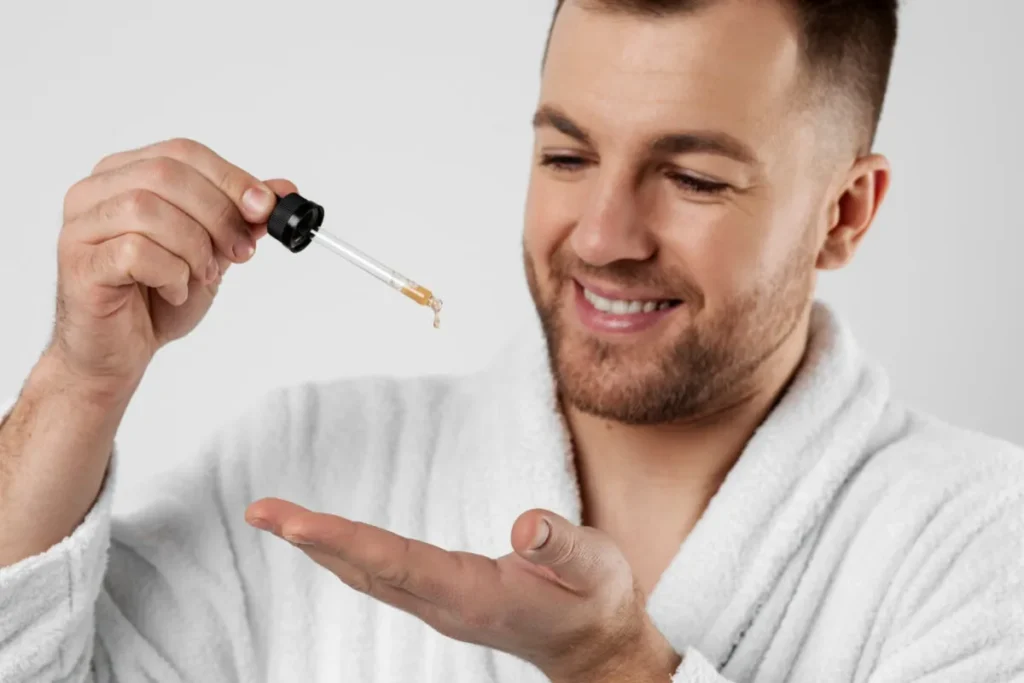
When hair thinning becomes noticeable, many turn to prp for hair fall as a cutting‑edge solution. Platelet‑rich plasma (PRP) therapy harnesses your own blood’s growth factors to stimulate dormant follicles, offering a natural alternative to surgical transplants. In this article we explore the science behind PRP, the step‑by‑step treatment process, expected outcomes, and how Gold City Medical Center integrates this therapy into a comprehensive hair‑restoration program.
Hair loss affects up to 40 % of adults worldwide, and the emotional impact can be significant. Traditional options such as medication or hair transplants may not suit everyone, especially those seeking minimally invasive procedures. PRP provides a personalized approach, using a simple blood draw and a quick injection session to rejuvenate the scalp.
We will cover the following topics: the biological basis of PRP, candidacy criteria, the treatment timeline, post‑procedure care, and cost considerations. By the end of this guide, you’ll have a clear understanding of whether PRP therapy for hair fall aligns with your restoration goals.
Understanding the Science Behind PRP Therapy
PRP therapy is built on the principle of concentrating platelets—tiny blood components rich in growth factors—into a small volume of plasma. When re‑injected into the scalp, these growth factors (such as PDGF, TGF‑β, and VEGF) activate stem cells in the hair follicle, extending the anagen (growth) phase and improving blood supply.
Key mechanisms include:
- Stimulation of dermal papilla cells, which are essential for hair shaft formation.
- Reduction of inflammation that can accelerate follicle miniaturization.
- Enhanced angiogenesis, delivering nutrients to the scalp.
Research indicates that patients receiving prp injection experience a measurable increase in hair density after a series of sessions. While results vary, the therapy is recognized as a safe, non‑surgical option for both male and female pattern baldness.
Who Is a Good Candidate for PRP Hair Treatment?
Not everyone will benefit equally from prp for hair fall. Ideal candidates typically meet the following criteria:
| Criteria | Details |
|---|---|
| Age | 18‑55 years; younger patients often have more active follicles. |
| Hair Loss Type | Androgenetic alopecia (male or female pattern), early‑stage alopecia areata. |
| Health Status | Good overall health, no platelet disorders, not on anticoagulants. |
| Expectations | Realistic goals; PRP improves density but may not fully restore a receded hairline. |
Patients with extensive scarring, severe hormonal imbalances, or advanced baldness may require adjunctive treatments such as hair transplant surgery. A thorough consultation with a qualified dermatologist will determine suitability and tailor a plan that may combine PRP with other modalities like microneedling or low‑level laser therapy.
What to Expect During a PRP Session
The PRP procedure is straightforward and typically completed in under an hour. The process consists of three main steps:
- Blood draw: Approximately 20 ml of blood is collected from the patient’s arm.
- Centrifugation: The sample is spun in a specialized centrifuge to separate platelet‑rich plasma from red blood cells.
- Scalp injection: Using a fine‑gauge needle, the clinician injects the concentrated plasma into targeted areas of the scalp.
Patients may feel mild discomfort during the injection, comparable to a standard vaccine. A topical anesthetic can be applied to minimize pain. Post‑procedure, there is typically no downtime; most individuals resume normal activities immediately, though gentle hair care is advised for 24‑48 hours.
Most treatment plans involve three sessions spaced four weeks apart, followed by maintenance injections every 4–6 months, depending on response. Consistency is key, as the cumulative effect of growth factor exposure drives long‑term improvement.
Benefits, Risks, and Cost Considerations
PRP therapy offers several advantages over more invasive options:
- Natural material: Uses the patient’s own blood, eliminating risk of allergic reactions.
- Minimal downtime: Quick recovery, no surgical scars.
- Versatility: Can be combined with other hair‑restoration techniques.
Potential risks are rare but may include temporary redness, swelling, or pinpoint bruising at injection sites. Because the procedure is autologous, serious complications are uncommon.
Cost varies by clinic and region. In the Netherlands, a single PRP session typically ranges from €300 to €500. A full series (three sessions) may therefore cost between €900 and €1,500, with maintenance treatments priced accordingly. While not covered by standard health insurance, many patients view the investment as worthwhile for a non‑surgical, long‑lasting solution.
When evaluating price, consider the expertise of the practitioner, the quality of equipment, and the comprehensiveness of follow‑up care. Transparent clinics provide detailed treatment plans and outcome expectations upfront.
Integrating PRP with a Holistic Hair‑Restoration Program
Gold City Medical Center adopts an integrative approach, combining PRP with complementary therapies to maximize results. Options may include:
- Microneedling: Creates micro‑channels in the scalp, enhancing PRP absorption.
- Low‑Level Laser Therapy (LLLT): Stimulates cellular metabolism, supporting follicle health.
- Nutritional counseling: Addresses deficiencies that can exacerbate hair loss.
Each patient receives a personalized plan after a comprehensive evaluation. The clinic’s multidisciplinary team—dermatologists, trichologists, and aesthetic specialists—collaborates to monitor progress and adjust protocols as needed.
By tracking hair density with digital imaging and scalp analysis, Gold City Medical Center ensures that the prp hair restoration journey is data‑driven and outcome‑focused. This systematic methodology distinguishes the center as a leader in modern hair care.
Why Choose Gold City Medical Center
Gold City Medical Center combines advanced medical expertise with a patient‑centred philosophy. Our team specializes in integrative healthcare, offering a seamless blend of medical treatments, aesthetic services, and hair‑restoration solutions. With state‑of‑the‑art equipment, rigorous safety standards, and a track record of successful PRP outcomes, we provide a trustworthy environment for those seeking effective hair‑loss solutions.
Ready to revitalize your hair and confidence? Contact Gold City Medical Center today to schedule your personalized PRP consultation. Experience the difference of expert care and cutting‑edge technology.
FAQ
What is PRP therapy for hair fall?
PRP therapy uses your own platelet‑rich plasma to stimulate dormant hair follicles and promote regrowth.
How does PRP stimulate hair growth?
Growth factors in PRP activate dermal papilla cells and increase blood supply to the scalp.
Who is eligible for PRP hair treatment?
Ideal candidates are 18‑55 years old with early‑stage androgenetic alopecia and good overall health.
What can I expect during a PRP session?
A blood draw, centrifugation, and scalp injections, all completed in under an hour.
What are the benefits and risks of PRP therapy?
Benefits include natural material, minimal downtime, and versatility; risks are rare and usually mild.
How much does PRP treatment cost in the Netherlands?
A single session costs €300‑€500; a full series of three sessions ranges €900‑€1,500.
Can PRP be combined with other hair restoration methods?
Yes, it is often paired with microneedling, low‑level laser therapy, and nutritional counseling.
How many PRP sessions are needed for visible results?
Typically three initial sessions spaced four weeks apart, followed by maintenance every 4‑6 months.





