Understanding the prp treatment before and after journey is essential for anyone considering this regenerative therapy. Platelet‑rich plasma (PRP) has become a popular option for hair restoration, facial rejuvenation, and under‑eye revitalization, offering natural results with minimal downtime. In this article we will walk through the science, preparation, typical outcomes, and real‑world examples of PRP procedures, helping you decide if it aligns with your aesthetic goals. Recent studies show that up to 70 % of patients experience noticeable improvement after a series of PRP sessions, making it a compelling alternative to more invasive options. We’ll also discuss how to maximise results and set realistic expectations for your own treatment journey.
Whether you are curious about hair regrowth, seeking a brighter under‑eye area, or exploring the famed “vampire facial,” this guide provides a comprehensive overview of the process from the initial consultation to the visible changes you can anticipate. By the end, you’ll have a clear picture of what “prp treatment before and after” really looks like in practice.
How PRP Works: Science Behind the Treatment
PRP therapy harnesses your own blood’s platelets to stimulate tissue repair and collagen production. After a small blood draw, the sample is centrifuged to separate the platelet‑rich plasma from other components. This concentrated plasma, rich in growth factors such as PDGF, TGF‑β, and VEGF, is then re‑injected into the targeted area. The growth factors act as messengers, signalling cells to proliferate, regenerate, and produce new collagen.
Key benefits of this autologous approach include:
- Reduced risk of allergic reaction, because the material is your own.
- Minimal downtime compared with surgical alternatives.
- Versatility across multiple indications: hair loss, skin rejuvenation, and under‑eye dark circles.
Below is a simplified comparison of PRP versus traditional treatments for hair restoration and facial rejuvenation:
| Aspect | PRP | Surgical Hair Transplant | Laser Resurfacing |
|---|---|---|---|
| Invasiveness | Minimally invasive | Highly invasive | Non‑invasive |
| Recovery Time | 1‑2 days | 7‑10 days | Same day |
| Typical Sessions | 3‑6 sessions | 1‑2 surgeries | Multiple sessions |
| Cost (average) | €300‑€600 per session | €4,000‑€8,000 | €200‑€500 per session |
Understanding these fundamentals helps you grasp why many patients report striking prp treatment before and after transformations, especially when the therapy is combined with proper after‑care.
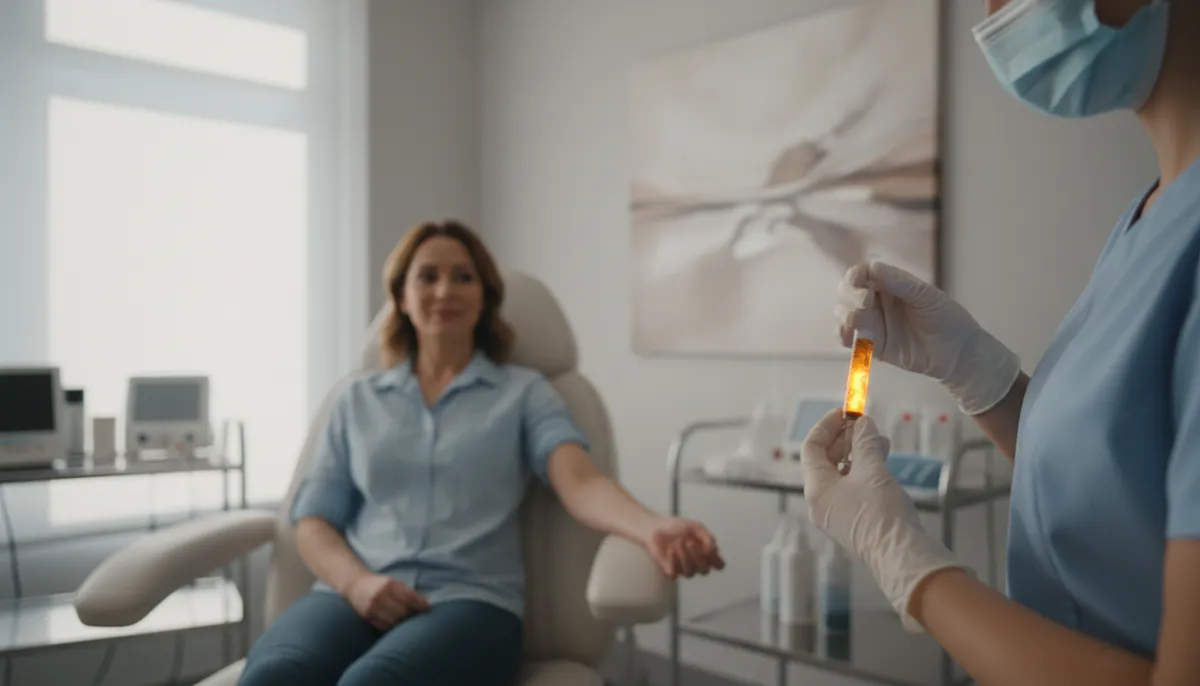
Preparing for Your PRP Session: What to Know
Successful outcomes start long before the needle touches the skin. Proper preparation can enhance the potency of the platelet‑rich plasma and reduce the likelihood of side effects. Here are essential steps to follow:
- Hydration: Drink plenty of water the day before and the day of your appointment.
- Medication Review: Avoid anti‑inflammatory drugs (e.g., ibuprofen) for at least one week, as they can interfere with platelet function.
- Nutrition: A diet rich in vitamins C and E supports collagen synthesis and may improve results.
- Skin Care: Discontinue retinoids or harsh exfoliants 48 hours prior to facial PRP to minimise irritation.
For hair‑focused treatments, many clinics recommend a brief scalp massage the evening before to increase blood flow. When treating the under‑eye area, patients should avoid heavy makeup and use a gentle cleanser on the day of treatment.
Below is a checklist you can print and take to your consultation:
| Item | Recommended Action |
|---|---|
| Blood draw | Schedule at least 2 weeks after any major illness. |
| Medications | Discuss all prescription and over‑the‑counter drugs with your provider. |
| Lifestyle | Avoid smoking and excessive alcohol for 48 hours before treatment. |
| After‑care kit | Prepare a gentle cleanser, sunscreen, and soothing serum for post‑procedure care. |
Following these guidelines helps ensure that the prp treatment before and after images you see later truly reflect the potential of the therapy.
PRP for Hair Restoration: Before and After Results
Hair loss affects millions worldwide, and PRP has emerged as a non‑surgical option that leverages the body’s own growth factors. In a typical protocol, three to four sessions spaced four weeks apart are recommended, followed by maintenance treatments every six months. Patients often notice thickening of existing strands and a reduction in shedding within 8‑12 weeks.
Key factors influencing success include:
- Baseline hair density – individuals with moderate thinning often see the greatest benefit.
- Age – younger patients tend to have more robust platelet activity.
- Underlying health – conditions like thyroid disorders can affect outcomes.
Below is a summary of typical “prp hair treatment” outcomes based on clinical observations:
| Outcome | Average Improvement | Timeframe |
|---|---|---|
| Hair density increase | 15‑30 % | 3‑6 months |
| Reduction in shedding | 40‑60 % | 2‑4 months |
| Patient satisfaction | 78 % report positive results | After final session |
Real‑world “prp treatment before and after” photographs often showcase a noticeable fill‑in of the crown and frontal hairline, especially when combined with microneedling. The term “vampire facial before and after” is sometimes used to describe the dramatic skin and hair changes seen after PRP, though it originally referred to facial rejuvenation.
While PRP is not a miracle cure for extensive baldness, many patients experience a rejuvenated appearance that boosts confidence and reduces the need for more invasive procedures.
PRP for Facial Rejuvenation: Under‑Eye and Skin Benefits
Beyond hair, PRP is celebrated for its ability to revitalize the skin. The “vampire facial” combines microneedling with PRP to enhance collagen remodeling, improve texture, and diminish under‑eye darkness. Patients often ask about “prp under eyes” results, and the data shows significant improvement in pigmentation and fine lines after 2‑3 sessions.
Typical protocol for facial PRP includes:
- Initial consultation to assess skin type and concerns.
- Three sessions of microneedling with PRP spaced four weeks apart.
- Optional maintenance every 6‑12 months.
Below is a quick reference of expected changes after a series of facial PRP treatments:
| Parameter | Improvement | Assessment Method |
|---|---|---|
| Skin elasticity | +20 % | Cutometer measurement |
| Under‑eye darkness | ‑35 % | Photographic analysis |
| Pore size | ‑15 % | Dermatoscopic evaluation |
Patients also report a “glow” effect, which is attributed to the increased blood flow and nutrient delivery to the dermis. The procedure is well‑tolerated, with most experiencing only mild redness for a few hours. Importantly, the “prp facial before and after” images frequently demonstrate smoother texture and a brighter complexion, reinforcing the therapy’s popularity in aesthetic medicine.
Managing Expectations: Typical Outcomes and Timeline
While many patients are eager for rapid transformation, it is crucial to understand the realistic timeline of PRP results. The phrase “prp treatment before and after” often evokes dramatic images, but the actual progression follows a gradual pattern.
General timeline:
- Week 1‑2: Minimal visible change; tissue repair processes begin.
- Week 4‑8: Early signs of hair thickening or skin brightening appear.
- Month 3‑6: Most noticeable improvements; ideal time for “before and after” comparison photos.
- Month 6+: Maintenance sessions help preserve results.
Factors that influence the final outcome include the number of sessions, the specific area treated, and individual biological response. For example, “prp under eye treatment” may show subtle lightening after the second session, whereas “prp hair restoration” often requires at least three sessions before significant density gains are observed.
Below is a concise guide to help patients set realistic goals:
| Goal | Typical Time to Notice | Number of Sessions |
|---|---|---|
| Hair thickening | 3‑6 months | 3‑4 |
| Under‑eye brightening | 2‑4 months | 2‑3 |
| Overall skin texture | 1‑3 months | 3‑5 |
By aligning expectations with these milestones, patients can fully appreciate the natural, progressive nature of PRP and avoid disappointment. Remember, the “prp treatment before and after” narrative is best captured by consistent documentation and realistic goal‑setting.
Why Choose Gold City Medical Center
At Gold City Medical Center we combine cutting‑edge technology with a personalized, integrative approach to PRP therapy. Our team of board‑certified physicians and experienced aesthetic specialists tailors each treatment plan to your unique needs, whether you are seeking hair regrowth, under‑eye rejuvenation, or full‑face revitalisation. We pride ourselves on a safe, sterile environment and transparent communication, ensuring you feel confident from consultation to post‑procedure care. By choosing us, you benefit from a proven track record of successful prp treatment before and after outcomes, supported by ongoing research and patient‑centred service.
Ready to experience the transformative power of PRP? Contact Gold City Medical Center today to schedule your personalized consultation and start your journey toward renewed confidence.
Call us or fill out the online form – our team is here to guide you every step of the way.
FAQ
What is PRP treatment and how does it work?
PRP (platelet‑rich plasma) therapy uses your own blood’s platelets to release growth factors that stimulate tissue repair and collagen production.
What can I expect during a PRP session for hair restoration?
You will have a blood draw, a brief centrifugation, and then multiple injections into the scalp, usually lasting 30‑45 minutes.
How many PRP sessions are needed for facial rejuvenation?
Typically three sessions spaced four weeks apart are recommended, with optional maintenance every 6‑12 months.
What are the typical before and after results for PRP under‑eye treatment?
Patients often see a 30‑35 % reduction in dark circles and a modest improvement in skin elasticity within 2‑3 sessions.
How should I prepare for my PRP appointment?
Stay hydrated, avoid anti‑inflammatory medications, eat a vitamin‑rich diet, and follow skin‑care guidelines before the session.
What is the recovery time after PRP therapy?
Most patients experience minimal downtime—usually 1‑2 days of mild redness or swelling.
How does PRP compare to surgical hair transplant in cost and invasiveness?
PRP is less invasive and cheaper per session, but multiple sessions are needed to achieve comparable results.
Are there any side effects or risks associated with PRP?
Side effects are generally mild and include temporary redness, swelling, or bruising at the injection sites.





