Radio frequency skin tightening is a cutting‑edge, minimally invasive treatment that uses controlled heat to stimulate collagen production and tighten lax skin. As more people seek non‑surgical alternatives to facelift surgery, this technology has become a popular choice for those looking to restore firmness without downtime.
In this article, we explore how the procedure works, the benefits you can expect, who is an ideal candidate, and the after‑care needed to maintain results. Understanding these aspects helps you decide whether this skin firming treatment aligns with your aesthetic goals.
According to recent studies, over 60 % of patients notice visible improvement after just a few sessions, making radio frequency skin tightening one of the most effective skin tightening treatments available today.
How Radio Frequency Skin Tightening Works
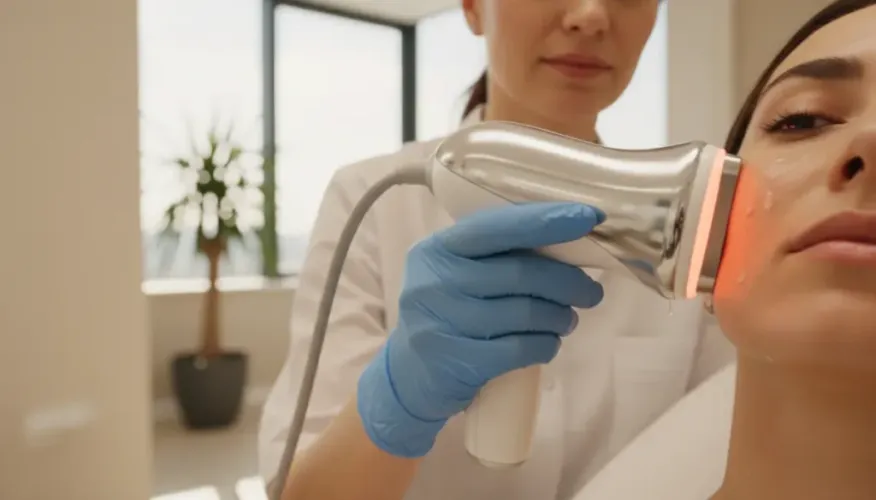
Radio frequency skin tightening delivers electromagnetic energy into the deeper layers of the dermis. The heat generated causes immediate collagen contraction and initiates a cascade of remodeling that continues for weeks after treatment. This process, known as collagen remodeling, improves skin elasticity and reduces the appearance of sagging.
The technology typically uses monopolar or bipolar radiofrequency (RF) devices. Monopolar systems send energy through the skin to a grounding pad, reaching deeper tissues, while bipolar devices concentrate the energy between two electrodes for more superficial tightening. Both approaches can be tailored to target specific areas such as the face, neck, abdomen, or thighs.
Key steps in a typical session include:
- Consultation and skin assessment to determine the appropriate energy level.
- Application of a conductive gel to ensure even energy distribution.
- Controlled delivery of RF energy using a handheld probe.
- Cooling or soothing of the treated area to enhance comfort.
- Post‑treatment skin care recommendations.
Because the heat is delivered beneath the surface, there is no damage to the epidermis, making it a safe option for most skin types. The treatment is often described as a non‑surgical facelift or a skin firming treatment that can be combined with other procedures like microneedling for enhanced results.
Benefits and Expected Results
Patients who undergo radio frequency skin tightening often report several advantages over traditional surgical methods:
| Benefit | Radio Frequency Skin Tightening | Traditional Surgical Facelift |
|---|---|---|
| Invasiveness | Minimally invasive, no incisions | Highly invasive, requires anesthesia |
| Downtime | Typically 1‑2 days of mild redness | Several weeks of recovery |
| Cost | Moderate, per session pricing | High, single‑procedure cost |
| Longevity | Results last 12‑24 months, maintenance needed | Long‑lasting but higher risk of complications |
Typical outcomes include smoother facial contours, tighter neck skin, and a reduction in fine lines. While the results are not permanent, a series of 3‑5 sessions spaced four weeks apart often yields lasting improvement, especially when combined with a healthy lifestyle and proper skin care.
Additional advantages of this skin tightening treatment include:
- Customization for different body areas (face, abdomen, thighs).
- Compatibility with other minimally invasive procedures, such as radio frequency microneedling.
- Reduced risk of scarring compared to laser resurfacing.
Who Is an Ideal Candidate?
Radio frequency skin tightening is suitable for a broad range of individuals, but certain criteria help determine the best candidates:
- Adults with mild to moderate skin laxity, especially on the face, neck, or abdomen.
- Those seeking a non‑surgical alternative to a facelift.
- Patients with realistic expectations about the need for maintenance sessions.
- Individuals without severe medical conditions that affect wound healing.
Contraindications include active infections, recent skin resurfacing procedures, and certain implanted electronic devices (e.g., pacemakers). Pregnant or breastfeeding women should also avoid the treatment until after this period.
For people with very loose belly skin after massive weight loss, radio frequency can improve texture but may not replace surgical skin removal. In such cases, a combined approach with a skin tightening operation might be discussed.
Treatment Process, Recovery, and Maintenance
The typical treatment journey consists of three phases: pre‑treatment, the procedure itself, and post‑treatment care.
Pre‑Treatment Preparation
Patients are advised to avoid excessive sun exposure and discontinue retinoid use for at least a week before the session. A thorough skin analysis helps the practitioner set the appropriate energy levels and select the correct device configuration.
During the Procedure
The clinician applies a conductive gel and glides the RF handpiece over the target area. Most patients describe a warm, tingling sensation. Sessions last between 30 and 60 minutes, depending on the size of the treatment zone.
Post‑Treatment Care
After the session, the skin may appear slightly red, similar to a mild sunburn. This typically resolves within 24‑48 hours. Patients are encouraged to keep the skin moisturized, use broad‑spectrum sunscreen, and avoid intense heat (saunas, hot tubs) for a few days.
Maintenance protocols vary, but most clinics recommend a follow‑up session every 6‑12 months to sustain collagen remodeling. Combining RF with other skin‑tightening procedures, such as radio frequency facial or microneedling with radiofrequency, can further prolong results.
Addressing Common Safety Concerns
One of the most frequently asked questions is whether radio frequency skin tightening poses any health risks. Extensive clinical research indicates that the controlled heat levels used in approved devices do not cause DNA damage or increase cancer risk. The procedure is considered safe when performed by trained professionals using FDA‑cleared equipment.
Potential side effects are generally mild and temporary, including:
- Redness or swelling that subsides within a few days.
- Occasional bruising if the device contacts superficial blood vessels.
- Rare cases of temporary numbness, which resolves quickly.
To minimize risks, it is essential to disclose any medical conditions, such as skin disorders, diabetes, or autoimmune diseases, during the initial consultation. Our team at Gold City Medical Center follows strict safety protocols, ensuring each session is customized to the patient’s skin type and health status.
Why Choose Gold City Medical Center for Radio Frequency Skin Tightening
Gold City Medical Center combines state‑of‑the‑art technology with a holistic, integrative approach to aesthetic care. Our experienced physicians specialize in both medical and cosmetic treatments, ensuring you receive a personalized plan that addresses your unique skin concerns. With a focus on safety, efficacy, and patient comfort, we deliver results that enhance natural beauty without compromising health.
Ready to experience firmer, smoother skin? Contact Gold City Medical Center today to schedule your personalized consultation and take the first step toward a more confident you.
FAQ
What is radio frequency skin tightening and how does it work?
Radio frequency skin tightening uses controlled electromagnetic energy to heat the deeper dermal layers, causing immediate collagen contraction and stimulating long‑term collagen remodeling.
What are the benefits of radio frequency skin tightening compared to surgical facelifts?
RF skin tightening is minimally invasive, requires little downtime, costs less per session, and carries a lower risk of scarring while still delivering noticeable firming results.
Who is an ideal candidate for radio frequency skin tightening?
Adults with mild to moderate skin laxity on the face, neck, or abdomen who seek a non‑surgical solution and have realistic expectations about maintenance are ideal candidates.
What is the typical recovery time after a radio frequency skin tightening session?
Recovery is minimal; most patients experience mild redness or swelling that resolves within 24‑48 hours, and normal activities can be resumed shortly after.
Are there any safety concerns or side effects associated with radio frequency skin tightening?
The procedure is considered safe when performed by trained professionals; side effects are generally mild and temporary, such as redness, swelling, or rare bruising.

