Experiencing a red itchy scalp hair loss situation can be both uncomfortable and alarming. This condition often signals an underlying skin or hormonal issue that, if left untreated, may lead to permanent hair thinning. Understanding the root causes, recognizing related disorders, and applying targeted treatments are essential steps toward restoring scalp health and preserving your hair.
Statistics from dermatology clinics show that up to 30% of patients with chronic scalp itching also notice noticeable hair shedding within a few months. The combination of inflammation, irritation, and follicular damage creates a perfect storm for hair follicles to enter the resting phase, resulting in visible thinning.
In this article we will explore the most common triggers of a red, itchy scalp, differentiate between benign dandruff and more serious conditions such as seborrheic dermatitis, and outline practical medical and at‑home strategies. By the end, you will know when simple scalp care is enough and when professional intervention is necessary.
Understanding the Causes of a Red Itchy Scalp
A red, itchy scalp that leads to hair loss usually stems from one or more of the following factors. Identifying the primary driver helps clinicians tailor the most effective therapy.
- Inflammatory skin conditions – e.g., seborrheic dermatitis, psoriasis, or eczema.
- Excessive dandruff caused by Malassezia yeast overgrowth.
- Follicular infections such as folliculitis or bacterial follicular inflammation.
- Hormonal imbalances that trigger androgenetic alopecia and increase scalp oiliness.
- Allergic reactions to hair care products, dyes, or harsh shampoos.
- Environmental stressors – extreme temperature changes, UV exposure, or prolonged sweating.
When any of these triggers irritate the scalp, the skin becomes red and itchy, and the hair follicles can become compromised, leading to shedding.
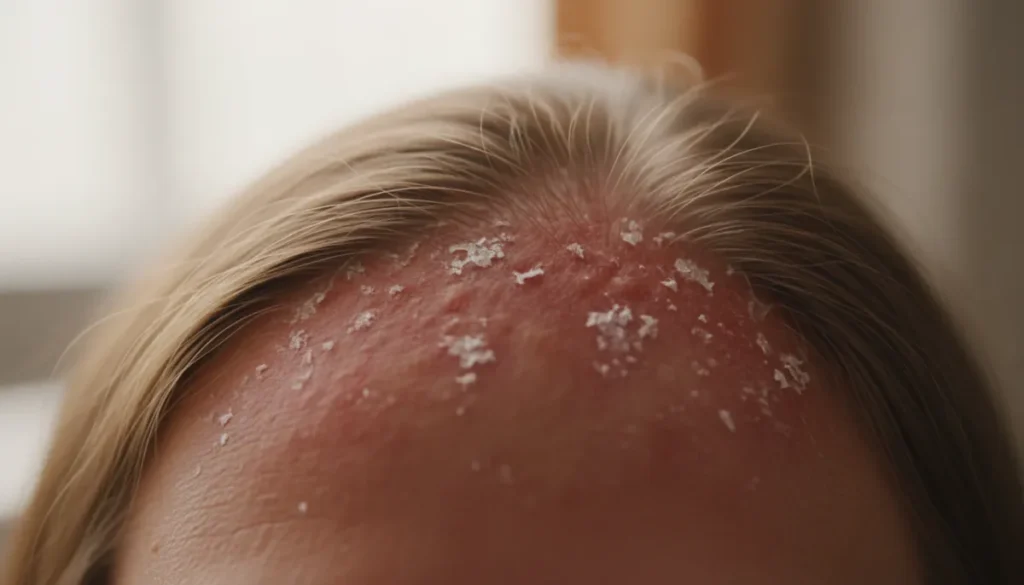
Common Skin Conditions Linked to Itchy Scalp
Several dermatological disorders present with itching, redness, and potential hair loss. Below is a quick comparison of the most frequently encountered conditions.
| Condition | Key Symptoms | Typical Triggers | Impact on Hair |
|---|---|---|---|
| Seborrheic Dermatitis | Red patches, greasy scales, itching | Yeast overgrowth, stress, cold weather | Can cause temporary shedding due to follicle irritation |
| Dandruff (Dry Scalp) | White flakes, mild itching | Dry air, infrequent washing | Usually minimal hair loss, but chronic scratching may damage follicles |
| Folliculitis | Painful pustules, redness | Bacterial infection, occlusive hats | Inflamed follicles may enter telogen phase, leading to thinning |
| Scalp Eczema | Intense itching, oozing, crusting | Allergens, irritants, genetic predisposition | Persistent scratching can cause permanent hair loss in severe cases |
Recognizing these patterns helps you and your clinician decide whether over‑the‑counter remedies are sufficient or if prescription‑strength treatment is required.
When Itchy Scalp Leads to Hair Thinning and Alopecia
Persistent itching can accelerate the transition of hair follicles into the telogen (resting) phase, a process known as telogen effluvium. Over time, this results in noticeable hair thinning and may evolve into various forms of alopecia.
Signs That Itching Is Affecting Hair Growth
- Increased shedding during washing or brushing.
- Visible thinning at the crown or temples.
- Patchy bald spots, especially where scratching is most intense.
- Reduced hair density on the scalp despite normal growth cycles.
While occasional shedding is normal, a pattern of chronic loss warrants a professional evaluation. Conditions such as alopecia areata can be triggered by ongoing inflammation, and early intervention improves the chance of regrowth.
Effective Treatments and Home Care Strategies
Managing a red itchy scalp and preventing hair loss involves a combination of medical therapy and diligent scalp care. Below are evidence‑based options that address both inflammation and follicle health.
Medical Interventions
- Topical antifungals (e.g., ketoconazole) for seborrheic dermatitis and dandruff.
- Corticosteroid shampoos or creams to reduce acute inflammation.
- Oral antibiotics for bacterial folliculitis.
- Low‑level laser therapy (LLLT) to stimulate follicular activity.
- Platelet‑rich plasma (PRP) injections for advanced hair thinning.
At‑Home Care Routine
- Gentle, sulfate‑free shampoo applied twice weekly.
- Scalp massage with natural oils (e.g., jojoba) to improve circulation.
- Avoid heat styling tools that exacerbate irritation.
- Use a humidifier in dry environments to maintain scalp moisture.
- Limit scratching by keeping nails trimmed and applying a soothing aloe‑based leave‑in.
Consistent use of these strategies can dramatically reduce redness, calm itching, and create a healthier environment for hair regrowth.
When to Seek Professional Help
Most mild cases improve with proper home care, but certain warning signs indicate the need for a specialist. Early referral to a dermatologist or a hair restoration clinic can prevent irreversible damage.
| Red Flag | Why It Matters | Recommended Action |
|---|---|---|
| Rapid hair loss (>100 hairs/day) | Suggests acute follicular insult | Schedule a dermatology appointment within 1 week |
| Persistent redness and swelling | May indicate infection or severe dermatitis | Seek medical evaluation for possible prescription therapy |
| Visible scabs or crusts | Risk of secondary bacterial infection | Consult a clinician for wound care guidance |
| Family history of alopecia | Genetic predisposition can accelerate loss | Consider early diagnostic testing and preventive treatment |
Gold City Medical Center offers comprehensive diagnostics, including scalp biopsies, trichoscopy, and personalized treatment plans to address the root cause of your symptoms.
Why Choose Gold City Medical Center
Gold City Medical Center combines cutting‑edge medical expertise with a holistic approach to scalp health. Our team of dermatologists and hair restoration specialists provides tailored treatments ranging from prescription‑grade shampoos to advanced PRP therapy. With a focus on patient comfort and long‑term results, we ensure each client receives a clear, science‑backed plan to restore confidence and hair vitality.
Ready to reclaim a healthy, itch‑free scalp? Contact Gold City Medical Center today to schedule a personalized consultation and start your journey toward lasting hair restoration.
FAQ
What causes a red itchy scalp that leads to hair loss?
Inflammatory skin conditions, dandruff, folliculitis, hormonal imbalances, allergies, and environmental stressors can all cause a red itchy scalp and subsequent hair loss.
How can I differentiate between dandruff and seborrheic dermatitis?
Dandruff usually presents as dry, white flakes with mild itching, while seborrheic dermatitis shows red, greasy patches, yellowish scales, and more intense irritation.
What are the signs that an itchy scalp is causing hair thinning?
Increased shedding during washing, visible thinning at the crown or temples, patchy bald spots, and overall reduced hair density indicate scalp itching is affecting growth.
Which treatments are most effective for a red itchy scalp?
Topical antifungals, corticosteroid shampoos, oral antibiotics for infections, low‑level laser therapy, and PRP injections are among the most effective options.
When should I see a dermatologist for scalp itching and hair loss?
Seek professional help if you experience rapid hair loss, persistent redness, scabs, or have a family history of alopecia.
Can a regular home‑care routine prevent hair loss from an itchy scalp?
Yes, a consistent routine with gentle shampoos, scalp massage, moisturization, and avoiding irritants can significantly reduce itching and hair loss.





