Many people wonder how to regrow hair on bald patches and regain confidence in their appearance. Whether the loss is caused by genetics, hormonal changes, or an autoimmune condition, understanding the underlying factors is the first step toward a successful solution. In this article we explore the science behind bald spots, the range of medical and natural treatments available, and what you can expect when you seek professional help. A recent study shows that up to 40 % of adults experience noticeable hair thinning by the age of 35, making early intervention crucial. By the end of this guide you will have a clear roadmap to restore density, improve scalp health, and choose the right approach for your unique situation.
We will cover the most common causes of hair loss, evaluate proven medical therapies such as hair transplant and finasteride, and discuss lifestyle adjustments that support natural regrowth. You will also learn how Gold City Medical Center integrates cutting‑edge technology with personalized care to help you achieve lasting results.
Let’s begin by demystifying why bald patches appear and how they can be addressed effectively.
Understanding Bald Patches and Their Causes
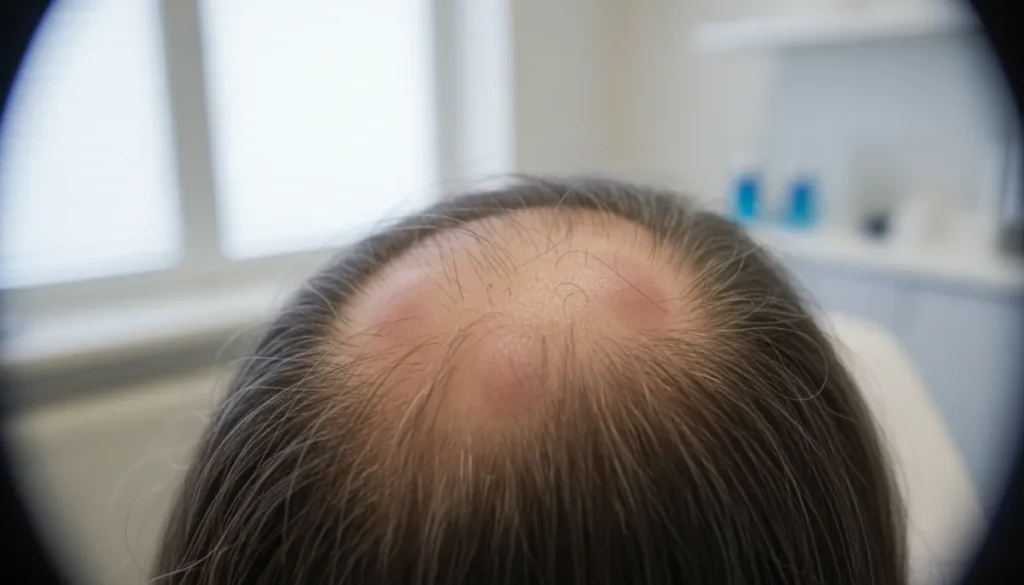
Bald patches are localized areas of hair loss that can develop suddenly or gradually. Recognizing the root cause is essential because each type of loss responds differently to treatment.
Alopecia is the umbrella term for hair loss conditions. The most common forms include:
- Alopecia areata – an autoimmune disorder where the immune system attacks hair follicles, often resulting in round, smooth bald spots.
- Androgenetic alopecia (pattern baldness) – driven by genetics and hormones, leading to thinning at the crown and temples.
- Scarring alopecia – caused by inflammation or injury that damages follicles permanently.
- Telogen effluvium – a temporary shedding triggered by stress, illness, or medication.
Other contributing factors include nutritional deficiencies, thyroid disorders, and certain medications. Below is a quick reference table that matches common causes with typical signs:
| Cause | Typical Appearance | Key Indicator |
|---|---|---|
| Alopecia areata | Round, smooth patches | Sudden onset, autoimmune markers |
| Androgenetic alopecia | Gradual thinning, receding hairline | Family history, hormonal profile |
| Scarring alopecia | Irregular patches with redness | History of skin disease or injury |
| Telogen effluvium | Diffuse shedding across scalp | Recent stressor or medication change |
Identifying whether your bald patch is a result of alopecia, hormonal imbalance, or lifestyle factors guides the selection of the most appropriate hair loss treatment. In many cases, a combination of medical and natural strategies yields the best outcome.
Medical Treatments Available at Gold City Medical Center
When it comes to clinically proven ways to regrow hair on bald patches, Gold City Medical Center offers a suite of integrative options tailored to each diagnosis.
Hair Transplant Surgery
The gold standard for permanent restoration is hair transplant using either Follicular Unit Extraction (FUE) or Follicular Unit Transplantation (FUT). Skilled surgeons harvest healthy follicles from a donor area—usually the back of the head—and implant them into the bald zone. This method provides natural‑looking density and is effective for both men and women with stable pattern baldness.
Finasteride and Other Medications
Finasteride, a prescription tablet, works by inhibiting the conversion of testosterone to dihydrotestosterone (DHT), a hormone that shrinks hair follicles. It is particularly useful for androgenetic alopecia and can be combined with topical solutions for enhanced results. Other medications, such as minoxidil, stimulate blood flow to the scalp and promote follicle activity.
Platelet‑Rich Plasma (PRP) Therapy
Platelet‑rich plasma (PRP) therapy involves drawing a small amount of the patient’s blood, concentrating the platelets, and injecting the serum into the scalp. Growth factors in PRP encourage cellular regeneration and have shown promising outcomes for alopecia areata and early‑stage pattern baldness.
Below is a comparison of the main medical interventions offered:
| Treatment | Typical Candidates | Procedure Duration | Recovery Time | Expected Results |
|---|---|---|---|---|
| Hair Transplant (FUE/FUT) | Stable baldness, sufficient donor hair | 4–8 hours | 7–10 days | Permanent, natural density |
| Finasteride (oral) | Male pattern baldness, early female thinning | 30 minutes (consult) | None | Gradual thickening over 6‑12 months |
| PRP Injections | Alopecia areata, early‑stage thinning | 45 minutes per session | 1–2 days | Improved follicle activity, visible regrowth in 3‑6 months |
All treatments are performed under strict medical standards, and the center’s multidisciplinary team monitors progress with regular follow‑ups. Combining procedures—such as transplant with postoperative PRP—often accelerates the regrowth timeline.
Natural and Lifestyle Approaches to Support Hair Regrowth
While medical interventions provide the most direct results, many patients also benefit from natural strategies that boost scalp health and complement clinical treatments.
Nutrition and Supplements
Hair is primarily made of keratin, a protein that requires adequate vitamins and minerals. Key nutrients include:
- Biotin – supports keratin production.
- Vitamin D – regulates hair follicle cycling.
- Iron – essential for oxygen transport to follicles.
- Zinc – reduces inflammation and oxidative stress.
High‑quality supplements formulated for hair growth can fill dietary gaps, especially for women experiencing hormonal fluctuations.
Topical Remedies
Onion juice, rosemary oil, and caffeine‑infused shampoos have been studied for their ability to stimulate circulation and provide antioxidant protection. Applying onion juice to the scalp for 15 minutes, three times a week, has shown modest improvements in follicle size for some individuals.
Scalp Care Practices
Gentle massage increases blood flow, while avoiding harsh chemicals prevents follicle irritation. Regular exfoliation removes dead skin cells that can block hair follicles.
Here is a simple weekly routine that integrates natural methods:
- Morning: Apply a rosemary‑oil serum and massage for 2 minutes.
- Midday: Eat a balanced meal rich in lean protein, leafy greens, and nuts.
- Evening: Use a mild, sulfate‑free shampoo; follow with a cool rinse.
- Twice a week: Apply onion juice for 15 minutes, then rinse.
- Weekly: Take a biotin‑rich supplement after consulting a physician.
These practices are especially useful for individuals who prefer a holistic approach or wish to enhance the efficacy of medical procedures.
Choosing the Right Solution: What to Expect During Your Consultation
Deciding how to regrow hair on bald patches begins with a thorough, personalized assessment at Gold City Medical Center. The consultation process typically includes:
Comprehensive Scalp Examination
The specialist examines the pattern of loss, evaluates hair density, and uses dermoscopy to view follicle health. Photographic documentation establishes a baseline for tracking progress.
Medical History Review
Questions about family history, medication use, diet, and stress levels help identify potential triggers such as alopecia areata or hormonal imbalances.
Diagnostic Testing (if needed)
Blood tests may be ordered to check iron levels, thyroid function, and hormone profiles. In some cases, a scalp biopsy is performed to rule out scarring conditions.
Tailored Treatment Plan
Based on findings, the doctor proposes a customized plan that may combine surgical, pharmaceutical, and natural options. Patients receive a clear timeline, expected outcomes, and after‑care instructions.
Transparency is a core value: you will be informed about success rates, potential side effects, and the number of sessions required. The center’s integrative approach ensures that every recommendation aligns with your health goals and lifestyle.
Why Choose Gold City Medical Center for Hair Restoration
Gold City Medical Center combines state‑of‑the‑art technology with a holistic philosophy, offering patients a seamless experience from diagnosis to long‑term maintenance. Our team of board‑certified dermatologists and hair‑restoration surgeons brings years of expertise in both medical and cosmetic solutions. By integrating treatments such as hair transplant, finasteride therapy, and PRP with personalized lifestyle guidance, we ensure each client receives a comprehensive plan that addresses the root cause of their bald patches. Trust a center that prioritizes safety, results, and patient satisfaction.
Ready to start your journey toward fuller, healthier hair? Contact Gold City Medical Center today to schedule a personalized consultation and discover the most effective path to regrow hair on bald patches.
Take the first step now—call us or fill out the online form, and let our experts guide you to lasting confidence.
FAQ
What are the common causes of bald patches?
Bald patches can result from alopecia areata, androgenetic alopecia, scarring alopecia, telogen effluvium, nutritional deficiencies, thyroid disorders, or certain medications.
How does a hair transplant work for regrowing hair on bald patches?
A hair transplant moves healthy follicles from a donor area to the bald patch, creating permanent, natural‑looking density.
What is platelet‑rich plasma (PRP) therapy and who can benefit from it?
PRP therapy injects concentrated platelets into the scalp to stimulate follicle regeneration, helping people with early‑stage thinning or alopecia areata.
Can natural remedies like biotin and rosemary oil help regrow hair?
Yes, biotin, rosemary oil, onion juice, and other natural agents can support scalp health and modestly improve hair growth when combined with proper nutrition.
What should I expect during a hair loss consultation at Gold City Medical Center?
You will receive a thorough scalp examination, medical history review, possible diagnostic tests, and a personalized treatment plan.
Are finasteride and minoxidil effective for treating bald patches?
Finasteride and minoxidil are proven to slow hair loss and promote regrowth, especially for androgenetic alopecia, but results vary by individual.





