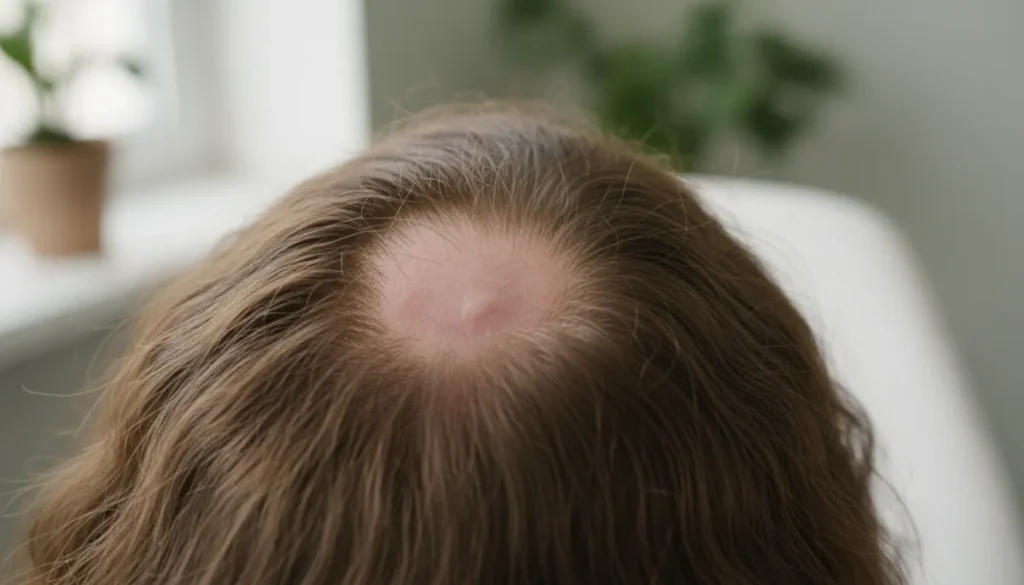
If you’re wondering how to regrow hair on bald spot, you are not alone. Many people notice a small, thinning area that gradually becomes more noticeable, leading to concerns about appearance and confidence. This article explains the underlying reasons for a bald spot, outlines medical and natural treatments, and helps you decide which option fits your lifestyle and goals.
Statistics from dermatology clinics show that up to 30% of adults experience some form of localized hair loss by the age of 40. Whether the cause is genetic, hormonal, or related to an autoimmune condition, understanding the mechanism is the first step toward effective restoration.
We will explore proven hair loss treatments, discuss natural supplements and lifestyle adjustments, and review cosmetic solutions that provide immediate coverage while you pursue longer‑term regrowth. By the end of this guide, you will have a clear roadmap for addressing a bald spot safely and confidently.
Understanding Bald Spots and Their Causes
A bald spot, medically referred to as a focal area of alopecia, can result from several distinct mechanisms. Recognizing the specific cause is essential because it determines which treatment will be most effective.
Common Types of Hair Loss
- Alopecia Areata: An autoimmune condition where the immune system attacks hair follicles, often producing sudden, round patches.
- Androgenetic Alopecia (Pattern Baldness): Hormonal and genetic factors cause miniaturization of follicles, typically seen in men’s receding hairlines and women’s diffuse thinning.
- Traction Alopecia: Repeated pulling from tight hairstyles can damage follicles locally.
- Scarring Alopecia: Inflammatory skin disorders that replace hair follicles with scar tissue.
Below is a quick comparison of the most frequent causes of a bald spot.
| Cause | Typical Onset | Key Characteristics | Recommended First‑Line Treatment |
|---|---|---|---|
| Alopecia Areata | Any age | Round, smooth patches | Topical corticosteroids, intralesional injections |
| Androgenetic Alopecia | Teens‑30s (men), 30s‑50s (women) | Gradual thinning, receding hairline | Finasteride, minoxidil, hair transplant |
| Traction Alopecia | After years of tight styling | Fringe‑line loss, tenderness | Change hairstyle, topical minoxidil |
| Scarring Alopecia | Variable | Red or inflamed patches, permanent loss | Anti‑inflammatory therapy, early specialist referral |
Identifying whether your bald spot is caused by alopecia, hormonal factors, or external stressors will guide the next steps in how to regrow hair on bald spot effectively.
Medical Treatments That Promote Hair Regrowth
When a bald spot is the result of hormonal or autoimmune activity, medical interventions often provide the most reliable results. Below are the primary options recommended by dermatologists and hair‑restoration specialists.
Pharmaceutical Options
- Finasteride: An oral 5‑alpha‑reductase inhibitor that reduces dihydrotestosterone (DHT) levels, slowing follicle miniaturization. Particularly effective for men with androgenetic alopecia.
- Minoxidil (2% or 5% topical solution): Increases blood flow to the follicles and prolongs the anagen phase, suitable for both men and women.
- Topical corticosteroids: Used for alopecia areata to suppress the immune response directly at the affected site.
Procedural Options
Procedures performed by licensed specialists can accelerate regrowth and improve density.
| Procedure | How It Works | Typical Sessions | Recovery Time |
|---|---|---|---|
| Platelet‑Rich Plasma (PRP) | Injects concentrated platelets to stimulate follicle activity | 3‑4 sessions over 6 months | 1‑2 days mild soreness |
| Follicular Unit Extraction (FUE) Hair Transplant | Transplants healthy follicles from donor area to bald spot | 1‑2 sessions depending on graft count | 7‑10 days for initial healing |
| Low‑Level Laser Therapy (LLLT) | Uses red light to enhance cellular metabolism in follicles | 3‑5 minutes daily or 2‑3 times weekly | No downtime |
Combining pharmacological therapy with a procedure such as PRP often yields faster visible results, especially for those seeking to understand how to regrow hair on bald spot in a clinically proven manner.
Natural and Lifestyle Approaches
For individuals preferring non‑prescription routes, several natural strategies can support follicle health and may complement medical treatments.
Nutrition and Supplements
- Biotin (Vitamin B7): Supports keratin production; 2,500 µg daily is a common dose.
- Vitamin D: Deficiency is linked to alopecia; aim for 1,000–2,000 IU per day.
- Iron and Zinc: Essential minerals for hair growth; check blood levels before supplementing.
- Saw Palmetto: Herbal DHT blocker, often taken as 320 mg twice daily.
Topical and Physical Techniques
Regular scalp massage with essential oils such as rosemary or peppermint can increase local circulation. Studies suggest that a 4‑minute daily massage may improve hair thickness over several months.
Other lifestyle factors that influence hair health include:
- Stress management – chronic cortisol elevation can trigger telogen effluvium.
- Avoiding harsh chemicals – sulfates and excessive heat damage follicles.
- Proper sleep – 7‑9 hours supports hormonal balance and tissue repair.
While natural methods alone may not fully answer how to regrow hair on bald spot for severe cases, they are valuable adjuncts that improve overall scalp condition and can enhance the effectiveness of clinical treatments.
Cosmetic Options for Immediate Coverage
When a bald spot is conspicuous and you need a quick visual fix while longer‑term regrowth is underway, cosmetic solutions can provide confidence without surgery.
Scalp Micropigmentation (SMP)
SMP uses micro‑tattoo pigments to replicate the appearance of hair follicles. It is especially popular for men with advanced pattern baldness and for women who prefer a non‑surgical look.
Hair Fibers and Concealers
Keratin‑based fibers cling to existing hair, creating the illusion of greater density. They are water‑resistant and can be reapplied daily.
Custom Wigs and Hairpieces
Modern, hand‑crafted wigs made from natural or high‑quality synthetic fibers can be tailored to match your hair color, texture, and scalp shape.
| Option | Duration of Effect | Cost Range (USD) | Maintenance |
|---|---|---|---|
| Scalp Micropigmentation | 3‑5 years (touch‑up needed) | 2,000–4,000 | Annual touch‑up, sun protection |
| Hair Fibers | Day‑to‑day | 20–50 per bottle | Reapply after washing |
| Custom Wig | 6 months‑2 years | 300–2,500 | Regular cleaning, styling |
These cosmetic routes do not address the root cause of hair loss, but they can be combined with medical or natural therapies to give you confidence while you work on how to regrow hair on bald spot over the longer term.
Choosing the Right Strategy for You
Deciding on a treatment plan involves evaluating several personal factors. Use the checklist below to guide your conversation with a qualified specialist.
- Cause Identification – Have a dermatologist confirm whether the bald spot is due to alopecia, hormonal imbalance, or external trauma.
- Time Horizon – Are you seeking immediate cosmetic coverage, or can you wait several months for natural regrowth?
- Medical History – Certain medications (e.g., blood thinners) may affect surgical options.
- Budget – Compare the long‑term costs of ongoing topical treatments versus a one‑time transplant.
- Lifestyle Compatibility – Consider how much daily maintenance (e.g., applying minoxidil) fits into your routine.
Consultation with a multidisciplinary team—dermatology, trichology, and cosmetic surgery—ensures a personalized plan that aligns with your goals. At Gold City Medical Center, experts integrate medical, aesthetic, and lifestyle approaches to give you a clear path forward on how to regrow hair on bald spot.
Why Choose Gold City Medical Center
Gold City Medical Center combines cutting‑edge hair restoration technology with a holistic, patient‑focused approach. Our team of board‑certified dermatologists and experienced surgeons offers tailored treatment plans that include FDA‑approved medications, state‑of‑the‑art FUE transplants, PRP therapy, and comprehensive after‑care. We prioritize safety, transparency, and measurable results, helping you achieve lasting confidence.
Ready to take the first step toward a fuller scalp? Contact Gold City Medical Center today to schedule a personalized consultation and discover the most effective solution for your bald spot.
FAQ
What are the common causes of a bald spot?
Bald spots can result from alopecia areata, androgenetic alopecia, traction alopecia, or scarring alopecia.
How does minoxidil help regrow hair on a bald spot?
Minoxidil increases blood flow to follicles and prolongs the growth phase, encouraging new hair growth.
What is PRP therapy and is it effective for hair regrowth?
PRP therapy injects platelet‑rich plasma into the scalp to stimulate follicle activity and has shown promising results.
Can natural supplements like biotin improve hair growth on a bald spot?
Biotin and other nutrients support overall hair health but are unlikely to fully restore a severe bald spot on their own.
What are the cosmetic options for immediate coverage of a bald spot?
Scalp micropigmentation, hair fibers, and custom wigs provide quick visual solutions while longer‑term treatments take effect.
How do I choose between a hair transplant and other treatments?
Consider the cause, budget, time frame, and lifestyle; a specialist can help match the best option to your needs.





