When it comes to tackling thinning hair, regrowth hair oil has become a popular option for many seeking a non‑invasive solution. In this article we will explore how this type of oil works, the ingredients that make it effective, and practical steps to achieve visible results. According to recent surveys, over 40 % of adults notice increased hair density after consistent use of a targeted hair growth oil. Understanding the science behind the product helps you choose the right formula and avoid common pitfalls.
We’ll begin by breaking down the mechanisms that stimulate the scalp, then move on to the most researched ingredients such as rosemary, peppermint, and castor oil. You’ll also learn how to integrate the oil into a daily routine, compare it with other hair growth products, and select the best option for your specific hair type.
Whether you are dealing with early‑stage hair loss or looking to boost overall hair health, the information below will equip you with evidence‑based guidance so you can make an informed decision.
Understanding How Regrowth Hair Oil Works
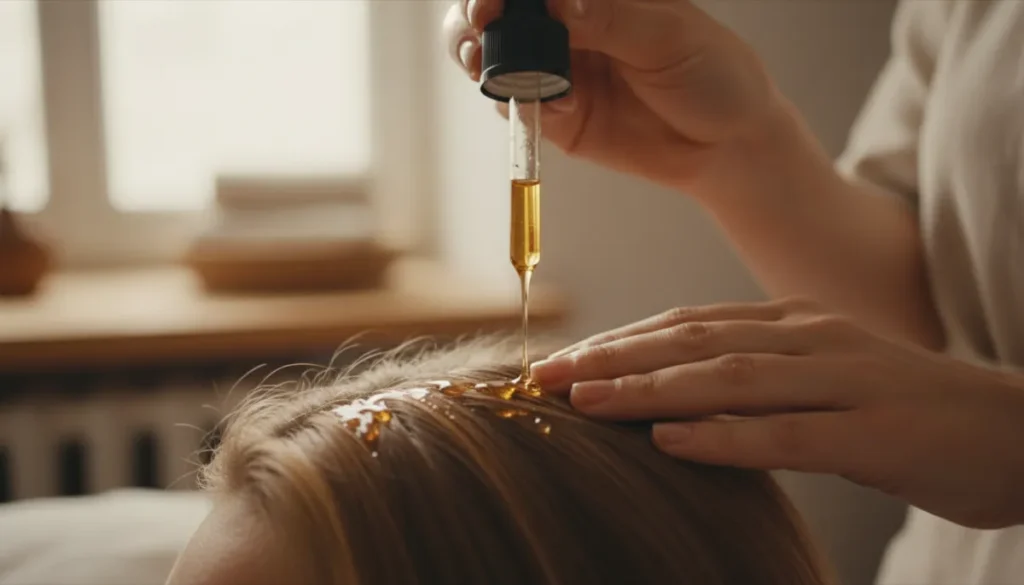
The effectiveness of a hair growth oil lies in its ability to nourish the hair follicles and improve scalp circulation. Most formulas combine essential oils with carrier oils, creating a blend that penetrates the epidermis and reaches the dermal papilla— the area responsible for hair production. When these ingredients are applied, they can:
- Increase blood flow, delivering oxygen and nutrients to the follicles.
- Reduce inflammation that may block hair growth cycles.
- Provide antioxidants that protect against oxidative stress.
- Balance scalp pH, creating a healthier environment for growth.
Research on rosemary oil, for example, shows a comparable effect to minoxidil in promoting hair density after six months of use. Peppermint oil has been demonstrated to trigger the anagen (growth) phase within just four weeks. When these essential oils are combined with carrier oils such as jojoba or argan, the mixture becomes both soothing and highly absorbable.
In addition to circulation, the oil’s composition can influence the hair growth cycle. By extending the anagen phase and shortening the telogen (resting) phase, the scalp produces longer, thicker strands. This is why many experts consider a well‑formulated regrowth hair oil a cornerstone of a broader hair growth treatment plan that may also include proper nutrition and gentle styling practices.
Key Ingredients That Promote Hair Growth
Choosing the right blend starts with understanding the role of each component. Below is a table that outlines the most common ingredients found in top‑rated hair growth oils and the benefits they provide.
| Ingredient | Primary Benefit | Supporting Research |
|---|---|---|
| Rosemary Essential Oil | Improves scalp circulation, antioxidant protection | Study in *Skin Pharmacology* (2015) showed 26 % increase in hair count vs placebo. |
| Peppermint Essential Oil | Stimulates hair follicles, anti‑inflammatory | Animal study in *Toxicology Letters* (2014) reported rapid anagen induction. |
| Castor Oil | Rich in ricinoleic acid, moisturizes and strengthens | Clinical observations note reduced breakage when used nightly. |
| Jojoba Oil | Balances scalp oil production, mimics natural sebum | Dermatology reviews highlight its non‑comedogenic nature. |
| Argan Oil | High in vitamin E, adds shine and elasticity | Cosmetic studies show improved tensile strength of hair fibers. |
In addition to these, many users look for essential oils for hair growth such as lavender, tea tree, and cedarwood, which add antimicrobial properties and a pleasant aroma. When selecting a product, consider whether it is labeled as a best hair growth serum or a best hair growth oil. Serums often contain a higher concentration of actives, while oils provide deeper moisturization.
For those seeking a natural approach, natural hair oil blends that avoid synthetic preservatives are preferred. These formulas align with the growing demand for essential oils for natural hair growth and tend to be well‑tolerated by sensitive scalps.
How to Use Regrowth Hair Oil Effectively
Even the most potent formula will underperform without proper application. Follow these steps to maximize absorption and results:
- Prepare the scalp: Wash hair with a gentle shampoo and towel‑dry until slightly damp.
- Measure the dose: Use 3–5 drops per 10 cm² of scalp. Over‑application can lead to greasiness.
- Massage gently: With fingertips, massage in circular motions for 3–5 minutes. This encourages blood flow and helps the oil penetrate.
- Leave‑in or rinse: For daily use, a leave‑in approach works best. For weekly deep treatments, leave the oil on for 30–60 minutes before rinsing with lukewarm water.
- Consistency is key: Apply at least 3–4 times per week for a minimum of 12 weeks to see measurable improvement.
It’s also advisable to perform a patch test before the first full application, especially if you have a history of allergic reactions to essential oils. Pairing the oil with a balanced diet rich in biotin, zinc, and omega‑3 fatty acids can further enhance outcomes.
For women experiencing hormonal hair loss, combining the oil with a hair growth serum that contains peptides may provide synergistic benefits. However, always consult a healthcare professional before mixing products, particularly if you are undergoing other hair restoration treatments such as PRP or hair transplants.
Comparing Regrowth Hair Oil with Other Hair Growth Products
When deciding between a hair growth oil, a serum, or a supplement, it helps to compare their core attributes. The table below outlines the main differences.
| Product Type | Typical Use Frequency | Key Benefits | Potential Drawbacks |
|---|---|---|---|
| Regrowth Hair Oil | 3–4 times weekly | Improves scalp health, moisturizes, easy application | May feel greasy if over‑used |
| Hair Growth Serum | Daily | High concentration of actives, quick absorption | Higher price, sometimes contains alcohol |
| Oral Supplements (biotin, saw‑palmetto) | Daily | Supports internal nutrient needs | Results take longer, efficacy varies |
| Medical Treatments (minoxidil, finasteride) | Twice daily (minoxidil) or prescribed | Clinically proven, strong evidence | Possible side effects, prescription required |
For many users, a best hair growth oil serves as a convenient entry point before progressing to more intensive therapies. It can also be used alongside hair regrowth treatment plans prescribed by a specialist, providing a holistic approach that addresses both external and internal factors.
When evaluating “best hair growth products,” consider your lifestyle, scalp sensitivity, and any existing medical conditions. A product that works well for one person may not be ideal for another, especially when gender‑specific factors such as hormonal fluctuations come into play.
Choosing the Right Product for Your Hair Type
Hair texture, density, and scalp condition all influence which hair growth oil will deliver the best results. Below are guidelines for common hair types:
- Fine or thin hair: Opt for lightweight oils such as argan or grapeseed blended with rosemary. Avoid heavy carrier oils that may weigh hair down.
- Coarse or curly hair: Richer oils like castor or avocado provide needed moisture and help reduce breakage.
- Dry, flaky scalp: Look for soothing ingredients such as tea tree or lavender, combined with jojoba to restore natural oil balance.
- Oily scalp: Choose non‑comedogenic oils (e.g., grapeseed) and limit application to the crown and hairline.
Women often ask for the “best oil for hair growth and thickness.” A blend that includes both rosemary and peppermint offers both stimulation and a refreshing scent, making it a popular choice for those seeking a dual benefit. Men experiencing pattern baldness may prefer a formulation that contains caffeine or niacinamide, which are known to support follicle health.
Remember that consistency, proper dosage, and a healthy lifestyle are equally important. Pairing the oil with a balanced diet, stress management, and regular scalp massages can accelerate the journey toward fuller, healthier hair.
Why Choose Gold City Medical Center
Gold City Medical Center combines medical expertise with advanced cosmetic solutions, offering a holistic approach to hair restoration. Our team of certified specialists tailors each treatment plan to the individual, integrating proven regrowth hair oil protocols with cutting‑edge procedures such as hair transplantation and platelet‑rich plasma therapy. With a focus on safety, efficacy, and patient comfort, we ensure that every client receives personalized care backed by the latest scientific research.
Ready to revitalize your hair? Contact Gold City Medical Center today to schedule a personalized consultation and discover the optimal regrowth hair oil regimen for your needs.
Take the first step toward thicker, healthier hair—call us now or visit our clinic for a comprehensive assessment.
FAQ
What is regrowth hair oil and how does it work?
Regrowth hair oil is a topical blend of essential and carrier oils that nourishes follicles and improves scalp circulation, promoting hair growth.
Which ingredients in hair growth oil are most effective?
Rosemary, peppermint, and castor oil are among the most researched ingredients for stimulating hair growth.
How should I apply regrowth hair oil for best results?
Apply 3–5 drops per 10 cm² on a damp scalp, massage for 3–5 minutes, and use 3–4 times weekly for at least 12 weeks.
How does regrowth hair oil compare to minoxidil or other treatments?
Regrowth hair oil offers a natural, non‑prescription alternative with fewer side effects but may act slower than minoxidil.
Can regrowth hair oil be used on different hair types?
Yes, but the oil blend should be tailored—lightweight oils for fine hair and richer oils for coarse or curly hair.
Are there any side effects or precautions when using hair growth oil?
Side effects are rare but may include scalp irritation; always perform a patch test before full use.





