Many people wonder how to reverse balding naturally and regain confidence without invasive procedures. This article explores practical, science‑backed methods that can help you slow hair loss, stimulate new growth, and improve overall scalp health. In fact, up to 40 % of individuals experience noticeable thinning by age 35, making early intervention crucial.
We will examine the root causes of hair loss, lifestyle adjustments, nutritional support, and the role of emerging clinical options. By understanding the mechanisms behind balding, you can make informed choices that align with your personal health goals.
Whether you are dealing with male pattern baldness, female thinning, or general hair shedding, the strategies outlined here are designed to be safe, sustainable, and adaptable to your daily routine.
Understanding Hair Loss: Causes and Types
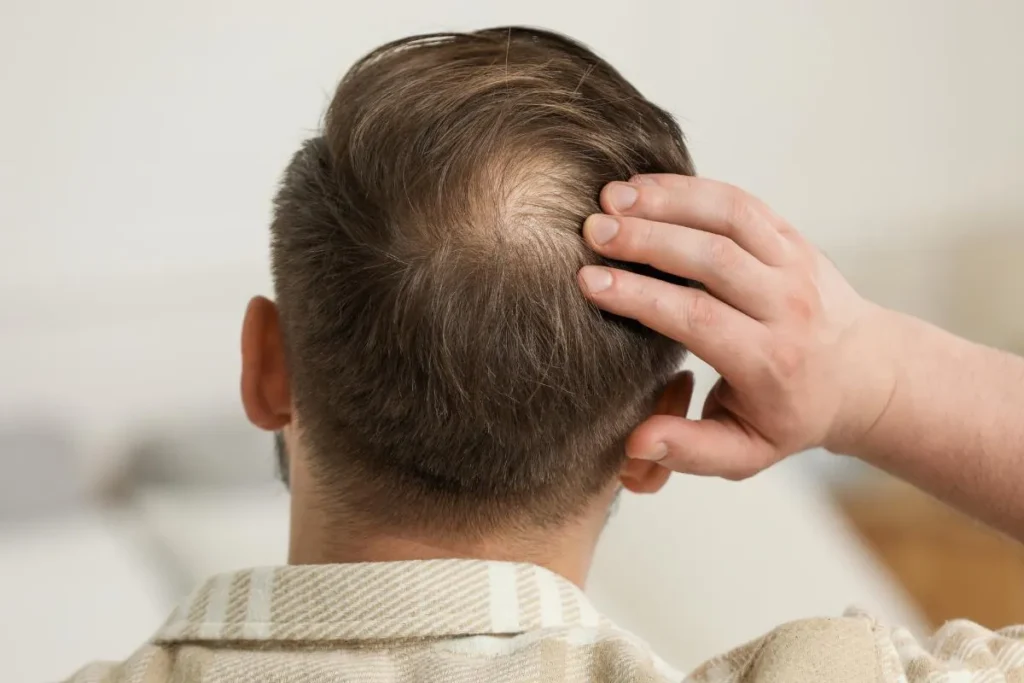
Hair loss can stem from genetics, hormonal imbalances, nutritional deficiencies, and environmental stressors. The most prevalent form, androgenetic alopecia, is driven by the hormone dihydrotestosterone (DHT) which shortens the hair growth phase. Women often experience diffuse thinning due to hormonal shifts during menopause or thyroid disorders.
Other contributors include:
- Chronic stress and elevated cortisol levels
- Autoimmune conditions such as alopecia areata
- Scalp infections or inflammation
- Medications that affect the hair cycle
Identifying the underlying cause is essential for selecting the most effective hair loss treatment. A thorough medical evaluation can pinpoint deficiencies or hormonal issues that may be addressed with targeted therapies.
Lifestyle Changes That Support Hair Regrowth
Adopting a holistic lifestyle can create an environment where hair follicles thrive. Regular aerobic exercise improves blood circulation, delivering oxygen and nutrients to the scalp. Aim for at least 150 minutes of moderate activity each week.
Stress management is equally important. Techniques such as mindfulness meditation, yoga, or deep‑breathing exercises can lower cortisol, which otherwise may accelerate follicle miniaturization.
Sleep quality also influences hair health. During deep sleep, the body releases growth hormone, essential for cellular repair, including hair follicles. Strive for 7–9 hours of uninterrupted sleep per night.
Below is a simple weekly checklist to keep you on track:
| Activity | Frequency | Benefit for Hair |
|---|---|---|
| Cardio (e.g., jogging, cycling) | 3‑5 times | Enhanced scalp circulation |
| Strength training | 2‑3 times | Balanced hormone levels |
| Meditation/Yoga | Daily (10‑15 min) | Reduced cortisol, less hair shedding |
| Sleep hygiene | 7‑9 h nightly | Growth hormone release for follicle repair |
Natural Supplements and Topical Solutions
Nutrition plays a pivotal role in hair regeneration. Certain vitamins and minerals act as cofactors in the production of keratin, the protein that makes up hair strands. Key nutrients include biotin (vitamin B7), zinc, iron, and vitamin D.
Studies suggest that a daily supplement containing 5,000 µg of biotin, 30 mg of zinc, and 2,000 IU of vitamin D can improve hair density in individuals with mild thinning. Additionally, omega‑3 fatty acids help reduce inflammation and support the scalp’s oil balance.
Topical agents such as rosemary oil, peppermint oil, and caffeine‑infused serums have shown promising results in stimulating the hair follicle. When applied to a clean scalp, these natural extracts can increase micro‑circulation and prolong the anagen (growth) phase.
Consider the following regimen:
- Morning: Biotin‑zinc‑vitamin D supplement with breakfast
- Evening: Apply rosemary‑peppermint oil blend (1 % concentration) after washing
- Weekly: Use a caffeine scalp serum before styling
While supplements are generally safe, consulting a healthcare professional ensures appropriate dosing and avoids interactions with medications such as finasteride.
Clinical Options: From Hair Growth Products to Hair Transplant
When natural methods reach their limits, clinical interventions can provide a boost. Over‑the‑counter hair growth products like minoxidil (5 % solution) are FDA‑approved for both men and women and can prolong follicle activity when used consistently for at least four months.
Prescription‑only options such as finasteride inhibit the conversion of testosterone to DHT, directly addressing the hormonal driver of androgenetic alopecia. Finasteride is typically prescribed at 1 mg daily and has demonstrated significant regrowth in clinical trials.
For those seeking a more permanent solution, hair transplant techniques—including Follicular Unit Extraction (FUE) and Direct Hair Implantation (DHI)—relocate healthy follicles from a donor area to balding zones. While surgical, these procedures are performed under local anesthesia and yield natural‑looking results when executed by experienced specialists.
Below is a comparison of common clinical options:
| Option | Mechanism | Typical Results | Maintenance |
|---|---|---|---|
| Minoxidil (5 %) | Vasodilator, extends growth phase | 10‑30 % increase in density | Ongoing twice‑daily application |
| Finasteride (1 mg) | DHT blocker | 30‑50 % improvement in hair count | Daily oral intake |
| FUE/DHI Transplant | Follicle relocation | Permanent, natural‑looking growth | Post‑procedure care, occasional PRP |
Choosing the right path depends on the severity of balding, personal preferences, and budget. A qualified specialist can tailor a plan that integrates natural strategies with medical treatments for optimal results.
Daily Hair Care Routine for Thicker Growth
A consistent hair‑care routine reinforces the benefits of dietary and clinical interventions. Begin with a mild, sulfate‑free shampoo that cleanses without stripping natural oils. Follow with a lightweight conditioner applied primarily to the mid‑lengths to avoid scalp buildup.
Scalp massage stimulates blood flow and can be performed for two to three minutes each evening. Using fingertips, apply gentle pressure in circular motions, optionally incorporating a few drops of rosemary oil for added circulation.
Protect hair from mechanical damage by limiting heat styling and using a wide‑tooth comb on wet hair. When styling is necessary, choose a heat‑protectant spray and keep temperatures below 180 °C.
Key steps to follow daily:
- Shampoo with a sulfate‑free formula (once or twice weekly)
- Condition mid‑lengths only
- Scalp massage with essential oil blend (2‑3 min)
- Avoid tight hairstyles that pull on follicles
- Use silk pillowcases to reduce friction
Adhering to these habits maximizes the environment for new hair growth and helps maintain existing strands.
Monitoring Progress and Setting Realistic Expectations
Patience is essential when attempting to reverse balding naturally. Visible changes typically appear after three to six months of consistent effort. To objectively assess progress, take monthly photographs from the same angle and lighting conditions.
Quantitative tools such as a trichometer or digital scalp analysis can provide precise measurements of hair density and thickness. Recording these data points helps you and your practitioner adjust the regimen as needed.
Set realistic milestones: a 10‑15 % increase in hair count after six months is a common achievement for combined lifestyle and supplement approaches. If results plateau, consider integrating a clinical option like minoxidil or consulting a specialist for personalized guidance.
Remember, the goal is not only regrowth but also the long‑term health of the scalp and follicles. Consistency, proper nutrition, and professional support together create the best chance of maintaining a fuller, healthier head of hair.
Why Choose Gold City Medical Center
Gold City Medical Center combines cutting‑edge medical expertise with a holistic approach to hair restoration. Our team of experienced dermatologists and hair‑transplant surgeons offers personalized assessments, evidence‑based treatments, and continuous support throughout your journey. Whether you seek natural supplementation, advanced hair‑growth products, or a state‑of‑the‑art transplant, we provide safe, integrative solutions tailored to your unique needs.
Ready to start your transformation? Contact Gold City Medical Center today to schedule a comprehensive hair‑loss evaluation and discover the most effective, natural path to regaining your confidence.
FAQ
How can I reverse balding naturally?
By combining lifestyle adjustments, targeted supplements, topical botanicals, and, if needed, mild clinical treatments.
What lifestyle changes support hair regrowth?
Regular cardio, stress management, adequate sleep, and avoiding harsh hair practices boost scalp health.
Which supplements are most effective for hair growth?
Biotin, zinc, vitamin D, iron, and omega‑3 fatty acids are the most studied nutrients for hair health.
What are the differences between minoxidil and finasteride?
Minoxidil is a topical vasodilator that extends the growth phase; finasteride is an oral DHT blocker that targets the hormonal cause.
What should I expect from a hair transplant procedure?
A hair transplant relocates healthy follicles to balding areas, offering permanent, natural‑looking results after recovery.
How do I monitor progress when trying to regrow hair?
Take monthly photos, use a trichometer or digital scalp analysis, and record hair count and thickness.





