When you decide to restore your hair, the prospect of shock loss can be unsettling. Shock loss refers to the temporary shedding of existing hair that sometimes follows a hair transplant procedure. Although it may look alarming, it is a normal part of the healing process for many patients. In this article we explain the biological reasons behind shock loss, outline the typical timeline, discuss factors that influence its severity, and provide practical strategies to minimise its impact. By the end you’ll know what to expect, how to care for your scalp, and when to seek professional advice.
Recent studies show that up to 30 % of hair transplant recipients notice some degree of post‑procedure shedding, often within the first two weeks. Understanding why this happens can reduce anxiety and improve overall results. Whether you are preparing for your first session or reviewing post‑operative care, clear information empowers you to make informed decisions.
We’ll also explore common concerns such as hair loss after surgery, the role of anesthesia, and how to differentiate normal shedding from complications. Let’s dive into the details of shock loss and how Gold City Medical Center supports you through every step.
What Is Shock Loss and Why Does It Occur?
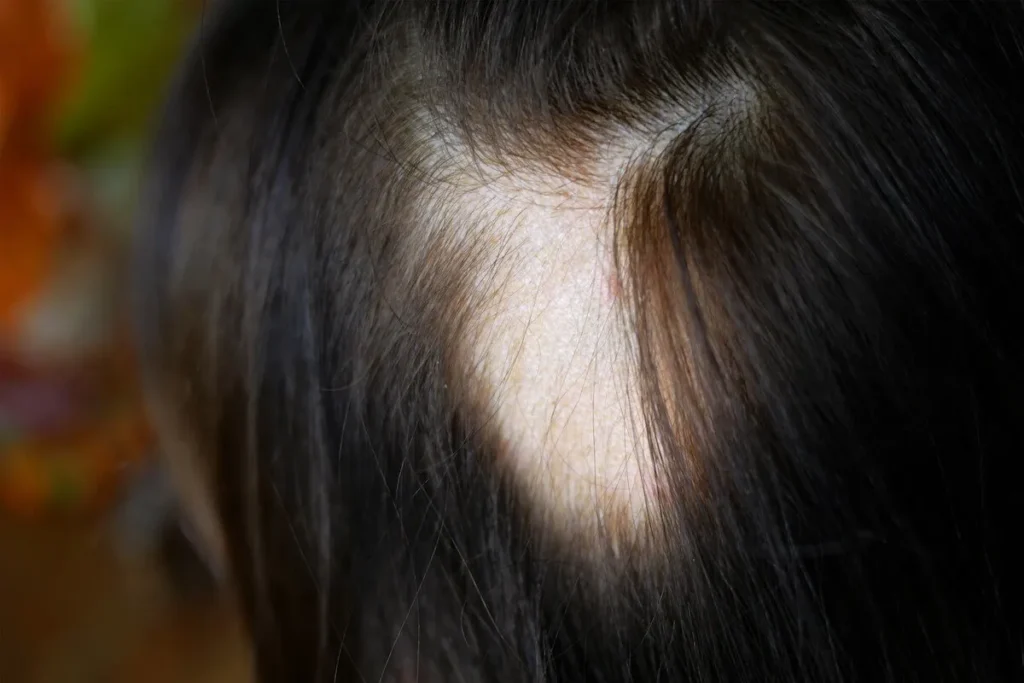
Shock loss, sometimes called post‑surgical hair shedding, is a temporary phase where existing hairs enter the telogen (resting) stage and fall out. This reaction is triggered by the trauma of scalp surgery, including the creation of recipient sites and the handling of grafts. The body’s natural response to injury can cause surrounding hairs to weaken and shed, a phenomenon also described as “hair falling out after surgery.”
Key reasons for shock loss include:
- Inflammatory response: Surgical manipulation induces inflammation, which can disrupt the hair growth cycle.
- Reduced blood flow: Temporary changes in scalp circulation after graft placement may affect hair follicles.
- Stress on existing follicles: Physical stress from the procedure can push hairs into the shedding phase.
It is important to differentiate shock loss from other forms of post‑operation hair loss, such as hair thinning after anesthesia or hair loss due to excessive blood loss. While shock loss typically resolves on its own, understanding its cause helps patients maintain realistic expectations.
Timeline of Shock Loss: When to Expect Shedding
The shedding phase usually begins within the first two weeks after the transplant and can last up to six weeks. Below is a typical timeline:
| Time After Procedure | What Happens |
|---|---|
| Days 0‑3 | Scalp inflammation peaks; grafts are secured. |
| Days 4‑14 | Initial shock loss may start; existing hairs enter telogen. |
| Weeks 2‑6 | Shedding reaches its maximum; most transplanted hairs are still dormant. |
| Months 2‑4 | New hair growth begins from transplanted follicles. |
| Months 6‑12 | Continued thickening; final results become visible. |
Most patients notice that shock loss peaks around the third week and then gradually subsides. By the fourth month, new hair growth typically masks the earlier shedding, and by the end of the first year, the transplanted area is fully restored. If shedding persists beyond six weeks or is accompanied by pain, infection, or noticeable bald patches, it may indicate a complication rather than normal shock loss.
Factors That Influence Shock Loss Severity
Not everyone experiences shock loss to the same degree. Several variables can amplify or reduce the amount of shedding:
- Type of anesthesia: Certain anesthetics may cause temporary hair thinning, contributing to post‑surgery hair loss.
- Extent of the procedure: Larger graft numbers increase scalp trauma, raising the likelihood of shock loss.
- Patient’s baseline hair health: Individuals with pre‑existing hair thinning may notice more pronounced shedding.
- Blood loss during surgery: Significant blood loss can trigger systemic stress, potentially leading to hair shedding.
- Post‑operative care: Improper after‑care, such as harsh washing or premature exposure to sunlight, can worsen shedding.
Understanding these influences helps clinicians tailor the transplant plan. For example, using minimally invasive techniques and optimizing anesthesia protocols can lessen the inflammatory response, thereby reducing the intensity of shock loss. Patients are also advised to follow post‑operative instructions meticulously to support optimal healing.
Managing and Reducing Shock Loss: Practical Tips
While shock loss is largely unavoidable, there are evidence‑based strategies to minimise its impact and promote faster regrowth.
Gentle Scalp Hygiene
Use a mild, sulfate‑free shampoo and avoid vigorous rubbing. Light tapping with fingertips helps cleanse without disturbing grafts.
Medication and Supplements
Doctors may prescribe anti‑inflammatory medication or recommend supplements such as biotin, zinc, and vitamin D to support follicle health.
Protective Styling
During the first two weeks, avoid tight hairstyles, helmets, or anything that puts pressure on the graft sites.
Nutrition and Lifestyle
A balanced diet rich in protein, omega‑3 fatty acids, and antioxidants can accelerate recovery. Reducing stress through meditation or light exercise also benefits hair growth.
Below is a quick reference guide:
| Action | Why It Helps |
|---|---|
| Gentle washing | Prevents dislodging grafts and reduces irritation. |
| Anti‑inflammatory meds | Controls swelling that can trigger shedding. |
| Balanced diet | Provides nutrients essential for follicle regeneration. |
| Avoid tight hats | Reduces mechanical stress on healing scalp. |
By following these guidelines, most patients notice a milder shedding phase and a smoother transition to the growth stage.
When to Seek Professional Help: Signs of Concern
Most post‑operative shedding resolves without intervention, but certain warning signs warrant a prompt visit to your surgeon or dermatologist.
- Excessive bleeding or oozing from graft sites beyond the first 48 hours.
- Severe pain, swelling, or redness that worsens after the initial days.
- Sudden, extensive hair loss that continues beyond six weeks.
- Visible infection signs such as pus, foul odor, or fever.
- Persistent bald patches that do not show new growth after three months.
If any of these symptoms appear, the clinic may perform a scalp examination, adjust medication, or recommend additional treatments to protect existing follicles. Early intervention can prevent permanent loss and improve the final aesthetic outcome.
Why Choose Gold City Medical Center for Your Hair Restoration
Gold City Medical Center combines advanced integrative medicine with a dedicated cosmetic team to deliver safe, effective hair transplant solutions. Our specialists use state‑of‑the‑art techniques that minimise scalp trauma, reducing the risk of shock loss. We provide personalized after‑care plans, including nutritional guidance and targeted therapies, to support optimal hair growth. Trust our experienced professionals to guide you through every stage, from consultation to long‑term maintenance.
Ready to start your journey toward fuller, healthier hair? Contact Gold City Medical Center today to schedule a personalized consultation and discover how we can minimise shock loss and maximise results.
FAQ
What is shock loss after a hair transplant?
Shock loss is a temporary shedding of existing hairs that occurs after a hair transplant due to scalp trauma.
How long does the shock loss phase usually last?
The shedding phase generally lasts from two to six weeks after the procedure.
What factors increase the severity of shock loss?
Anesthesia type, procedure size, baseline hair health, blood loss, and poor post‑operative care can worsen shock loss.
How can I minimize shock loss after my transplant?
Gentle scalp hygiene, anti‑inflammatory meds, proper nutrition, and avoiding pressure on grafts help reduce shedding.
When should I contact my surgeon about post‑transplant hair loss?
If shedding continues beyond six weeks, or you notice pain, infection, or large bald patches, seek professional help.
Why choose Gold City Medical Center for hair restoration?
Gold City uses advanced, minimally invasive techniques and offers personalized after‑care to reduce shock loss.





