Skin discoloration is a common concern that affects people of all ages and skin tones. Whether you notice a few dark spots on your cheeks or larger patches of uneven color, the condition can impact confidence and overall skin health. In this article we explore the underlying causes, the most frequent types, and the latest treatment options available at Gold City Medical Center.
According to dermatology studies, up to 70% of adults experience some form of discoloration during their lifetime, often linked to sun exposure, hormonal changes, or inflammation. This statistic highlights why a proactive approach is essential for maintaining a radiant complexion.
We will walk you through the science of melanin production, identify the signs that indicate a medical evaluation is needed, and present both clinical and at‑home strategies to restore a uniform skin tone. By the end of the guide, you’ll have a clear roadmap for addressing discoloration safely and effectively.
What Causes Skin Discoloration?
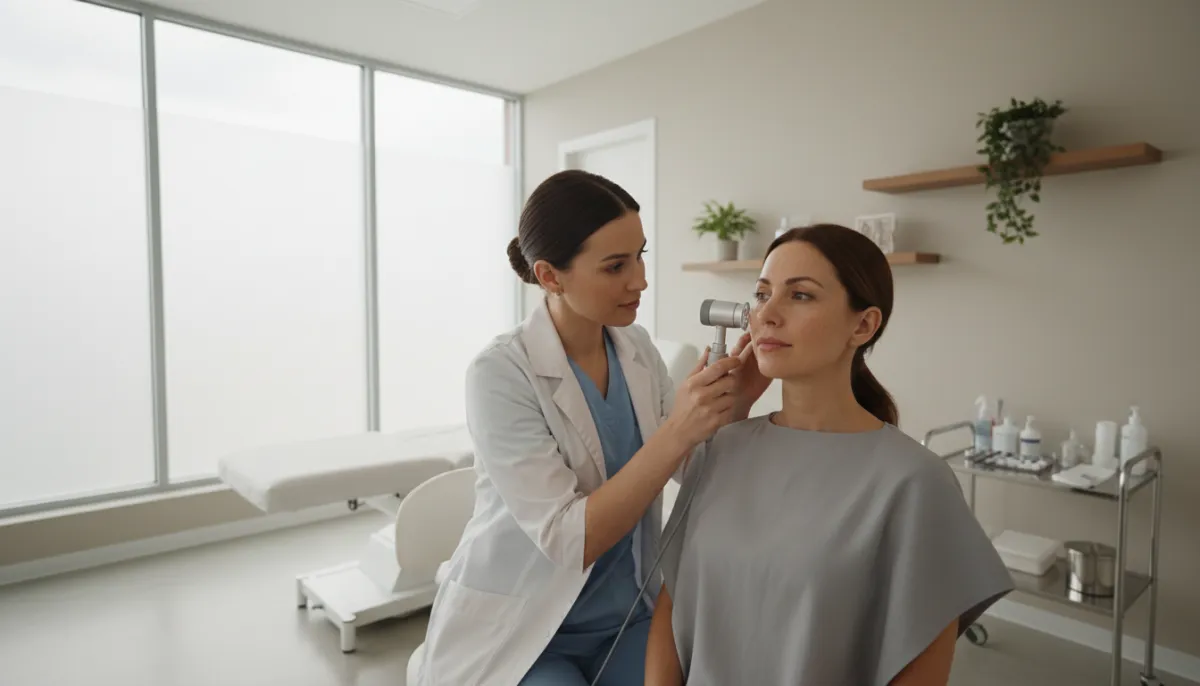
The development of skin discoloration can be traced to several physiological and environmental factors. The primary driver is an imbalance in melanin production, the pigment responsible for skin, hair, and eye color. When melanin clusters in excess, dark spots appear; when melanin is deficient, lighter patches may form.
- Sun exposure: UV radiation stimulates melanocytes to produce more melanin, leading to sunspots and uneven tone.
- Hormonal fluctuations: Pregnancy, birth control pills, and thyroid disorders can trigger melasma, a type of hyperpigmentation.
- Inflammation: Acne, eczema, or injuries often leave behind post‑inflammatory hyperpigmentation.
- Medications: Certain drugs, such as corticosteroids, can cause a reversible darkening of the skin.
- Genetic predisposition: Some individuals naturally produce more melanin, making them more susceptible to brown or black spots.
Understanding these triggers helps you target the right preventive measures and treatment plans. For instance, if sun exposure is the main cause, diligent sunscreen use becomes a cornerstone of any regimen.
Common Types of Skin Discoloration
Not all discoloration looks the same, and recognizing the type you have is essential for selecting the most effective treatment. Below is a quick reference table that outlines the most prevalent forms.
| Type | Typical Appearance | Common Causes |
|---|---|---|
| Melasma | Brown or gray‑brown patches, often on the cheeks | Hormonal changes, sun exposure |
| Age Spots (Lentigines) | Flat, brown to black spots, usually on hands and face | Chronic UV exposure |
| Post‑Inflammatory Hyperpigmentation | Irregular dark spots after acne or injury | Inflammation, skin trauma |
| Vitiligo | White patches where melanin is absent | Autoimmune response |
| Hypopigmentation | Lightened areas, often following skin infections | Inflammatory skin conditions |
Each condition may require a distinct therapeutic approach. For example, melasma often responds best to a combination of topical agents and laser therapy, while vitiligo may need light‑based treatments and specialized skin‑pigment restoration techniques.
When to Seek Professional Evaluation
While many forms of discoloration can be managed at home, certain signs indicate that a qualified dermatologist should intervene. Look out for the following red flags:
- Rapidly expanding patches or new dark spots appearing without clear cause.
- Discoloration accompanied by itching, scaling, or pain.
- Uneven color changes that affect large areas of the body.
- Persistent spots that do not fade after several months of self‑care.
During a professional visit, the clinician may perform a dermatoscopic examination, Wood’s lamp assessment, or even a skin biopsy to determine the exact nature of the pigment alteration. Early diagnosis not only improves treatment outcomes but also rules out serious underlying conditions such as skin cancer.
Effective Treatment Options at Gold City Medical Center
Gold City Medical Center combines cutting‑edge technology with personalized care to address a wide range of pigment concerns. Below is a comparison of the most commonly offered procedures.
| Treatment | How It Works | Ideal For | Typical Sessions |
|---|---|---|---|
| Topical Brightening Creams | Active ingredients such as hydroquinone, niacinamide, or azelaic acid inhibit melanin synthesis. | Mild hyperpigmentation, early‑stage dark spots | Daily application for 8–12 weeks |
| Chemical Peels | Controlled exfoliation removes the outer pigmented layer. | Post‑inflammatory marks, age spots | 1‑3 sessions, spaced 4 weeks apart |
| Intense Pulsed Light (IPL) | Broad‑band light targets melanin, breaking down pigment particles. | Sunspots, melasma (mild to moderate) | 3‑5 sessions, 2‑4 weeks interval |
| Fractional Laser Therapy | Micro‑laser columns stimulate collagen and promote even pigment distribution. | Deep hyperpigmentation, resistant melasma | 2‑4 sessions, 6‑8 weeks apart |
| Microneedling with Radiofrequency | Creates tiny channels that enhance topical agent penetration and remodel skin. | Combination of texture and pigmentation issues | 4‑6 sessions, 4 weeks apart |
All treatments are customized after a thorough assessment, ensuring that the chosen method aligns with your skin type, the extent of discoloration, and your personal goals. Our team of dermatologists and aesthetic specialists monitors progress and adjusts protocols to maximize safety and efficacy.
Prevention and At‑Home Care Tips
While professional interventions are powerful, daily habits play a crucial role in preventing new pigment issues. Incorporate these evidence‑based practices into your routine:
- Broad‑spectrum sunscreen: Use SPF 30 or higher, reapply every two hours when outdoors.
- Vitamin C serums: Antioxidant protection helps reduce melanin overproduction.
- Gentle exfoliation: Regular use of mild AHAs or BHAs can keep skin turnover steady.
- Avoid harsh chemicals: Limit exposure to bleaching agents that may irritate the skin.
- Healthy diet: Foods rich in omega‑3 fatty acids and antioxidants support skin repair.
Consistent application of these measures not only maintains the results of any treatment but also minimizes the risk of future discoloration. Remember, protecting your skin from UV rays is the single most effective strategy to keep pigment issues at bay.
Why Choose Gold City Medical Center
Gold City Medical Center blends integrative medicine with advanced aesthetic technology, offering a comprehensive approach to skin health. Our multidisciplinary team combines dermatology, cosmetic science, and personalized care to deliver safe, effective solutions for discoloration. With state‑of‑the‑art equipment and evidence‑based protocols, we ensure each patient receives a treatment plan that respects their unique skin type and aesthetic goals.
Ready to restore a smooth, even complexion? Contact Gold City Medical Center today to schedule a personalized consultation and discover the most suitable treatment for your skin discoloration.
FAQ
What are the main causes of skin discoloration?
Skin discoloration is mainly caused by excess melanin production due to sun exposure, hormonal changes, inflammation, certain medications, and genetics.
How can I tell which type of skin discoloration I have?
Identify the pattern, color, and location of the spots; common types include melasma, age spots, post‑inflammatory hyperpigmentation, vitiligo, and hypopigmentation.
When should I see a dermatologist for skin discoloration?
Seek professional help if spots spread quickly, cause itching or pain, cover large areas, or persist despite home care for several months.
What treatment options are available for hyperpigmentation at Gold City Medical Center?
Gold City offers topical brightening creams, chemical peels, IPL, fractional laser therapy, and microneedling with radiofrequency.
How can I prevent new skin discoloration from forming?
Use broad‑spectrum sunscreen daily, apply vitamin C serums, exfoliate gently, avoid harsh chemicals, and maintain a diet rich in antioxidants and omega‑3s.
Why choose Gold City Medical Center for treating skin discoloration?
Gold City blends integrative medicine with advanced aesthetic technology, offering personalized, evidence‑based treatment plans.





