Understanding pictures of skin rashes can be the first step toward accurate self‑assessment and timely medical care. Skin eruptions affect millions each year, yet many people struggle to differentiate harmless irritations from conditions that require professional attention. This article provides a comprehensive visual overview, explains key characteristics of the most frequent rashes, and outlines practical steps for management and prevention.
From the itchy red dots that appear after a garden walk to the widespread patches seen in eczema, visual cues are essential for proper diagnosis. By the end of this guide, you will be able to recognize distinct rash patterns, understand their typical causes, and know when to schedule a consultation with a dermatologist.
Whether you are dealing with a sudden outbreak on your arms, a persistent rash on your face, or curious about what poison ivy rash looks like, the images and explanations below will empower you to make informed decisions about your skin health.
Understanding Common Types of Skin Rashes
Skin rashes come in many shapes, colors, and distributions. Recognizing the visual hallmarks of each type helps narrow down potential causes and guides appropriate treatment. Below is a comparison of the most frequently encountered rashes, illustrated with clear skin rash pictures that highlight their unique features.
| Rash Type | Typical Appearance | Common Triggers | Key Symptoms |
|---|---|---|---|
| Eczema (Atopic Dermatitis) | Red, inflamed patches; may be scaly or weepy | Genetics, irritants, allergens | Itching, dryness, occasional crusting |
| Contact Dermatitis | Well‑defined red rash; sometimes vesicles | Poison ivy, nickel, fragrances | Burning, itching, swelling |
| Heat Rash (Miliaria) | Small red bumps or clear vesicles | Hot, humid environments, tight clothing | Tingling, mild itching |
| Urticaria (Hives) | Raised, red welts of varying size | Food allergies, medications, stress | Intense itching, swelling |
| Psoriasis | Silvery‑scale plaques; often on elbows/knees | Autoimmune response | Thickened skin, occasional pain |
Each of these conditions can present with similar colors but differ markedly in texture and distribution. For instance, poison ivy rash pictures typically show a linear pattern following the plant’s leaf veins, whereas heat rash pictures reveal tiny uniform bumps clustered in sweat‑prone areas.
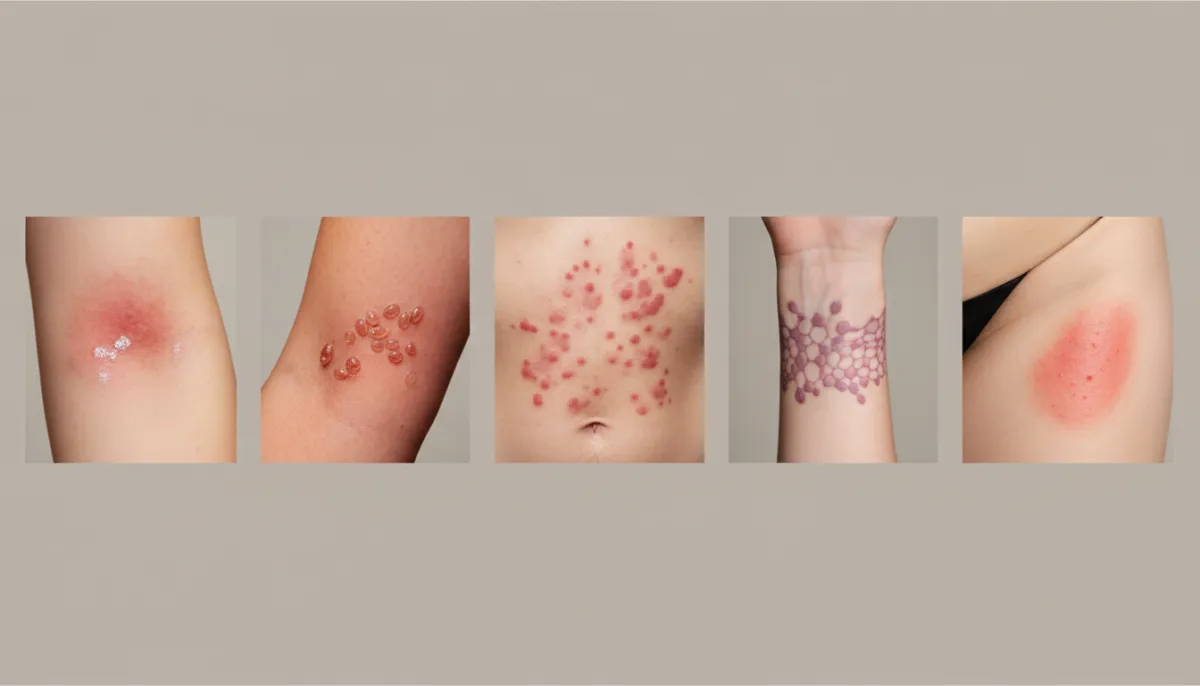
How to Identify a Rash: Visual Clues and Symptoms
Spotting a rash early can prevent complications. Look for specific visual clues such as shape, size, color intensity, and distribution across the body. Below is a checklist that helps you assess whether a rash is likely benign or warrants medical evaluation.
- Shape: Circular, linear, or irregular.
- Size: From pinpoint red dots to large plaques.
- Color: Pink, red, brown, or flesh‑colored.
- Texture: Smooth, scaly, vesicular, or crusted.
- Location: Face, neck, trunk, limbs, or intertriginous areas.
- Associated symptoms: Itching, burning, pain, fever.
For example, a sudden outbreak of red dots on skin that appear after a hike often points to an allergic reaction to poison oak or ivy. In contrast, flat red spots on skin that persist without itching may indicate a viral exanthem.
When reviewing pictures of hives, notice the raised welts that can change shape within minutes. This fleeting nature distinguishes hives from more static conditions like psoriasis.
When to Seek Professional Care for Skin Rashes
Not all rashes resolve on their own. Certain signs signal that professional evaluation is essential. Below are scenarios where you should book an appointment with a dermatologist or visit Gold City Medical Center.
- Rash spreads rapidly or covers large body areas.
- Accompanied by fever, chills, or unexplained weight loss.
- Persistent itching that disrupts sleep or daily activities.
- Presence of blisters, pus, or oozing lesions.
- Rash appears after starting a new medication.
- Symptoms of an allergic reaction such as swelling of the lips or throat.
Early intervention can prevent secondary infection and reduce scarring. At Gold City Medical Center, our dermatology team employs advanced imaging tools to capture high‑definition skin rash photos that aid in precise diagnosis.
For parents, recognizing a newborn rash or baby rash that does not improve within 48 hours is crucial. While many infant rashes are harmless, persistent erythema or crusting may indicate an underlying condition such as seborrheic dermatitis.
Preventing and Managing Allergic Skin Eruptions
Allergic skin eruptions, often termed allergic skin eruptions, arise when the immune system reacts to external substances. Common culprits include poison ivy, certain cosmetics, and latex. Understanding triggers and adopting preventive measures can dramatically reduce flare‑ups.
Below is a simple prevention plan that integrates lifestyle adjustments with topical care.
- Identify and avoid known allergens: Keep a diary of exposures that precede a rash.
- Protective clothing: Wear long sleeves and gloves when gardening to minimize contact with poison ivy or oak.
- Skin barrier maintenance: Use fragrance‑free moisturizers daily to strengthen the epidermis.
- Prompt cleansing: Wash skin with mild soap immediately after suspected exposure.
- Medical treatment: Apply over‑the‑counter hydrocortisone or seek prescription steroids for severe reactions.
For visual reference, poison ivy rash pictures typically show a red, itchy rash with a streaked pattern following the plant’s leaf shape. Recognizing this pattern early allows swift decontamination and reduces the likelihood of extensive spreading.
When a rash presents as red bumps on skin accompanied by intense itching, it may represent urticaria triggered by food or medication. Antihistamines are often effective, but persistent cases should be evaluated by a professional.
Diagnostic Tools for Accurate Rash Assessment
Modern dermatology relies on more than visual inspection. High‑resolution imaging, dermoscopy, and even skin biopsy can provide definitive answers when a rash’s cause is uncertain. Gold City Medical Center utilizes state‑of‑the‑art equipment to capture detailed skin rash photos that enhance diagnostic confidence.
Key diagnostic tools include:
- Digital dermoscopy: Magnifies surface structures, revealing patterns invisible to the naked eye.
- Standardized photography: Consistent lighting and color calibration ensure accurate documentation over time.
- Patch testing: Identifies specific allergens responsible for contact dermatitis.
- Skin scraping and culture: Detects fungal or bacterial infections that mimic other rashes.
For patients with chronic conditions such as psoriasis, serial skin rash pictures help track treatment response and adjust therapy promptly. Our integrated approach ensures that every visual clue is captured, analyzed, and incorporated into a personalized care plan.
Why Choose Gold City Medical Center
Gold City Medical Center combines integrative healthcare with cutting‑edge dermatology to deliver comprehensive skin care solutions. Our team of experienced dermatologists leverages advanced imaging and personalized treatment plans, ensuring accurate diagnosis and effective management of all skin conditions.
From routine examinations to complex rash evaluations, we prioritize patient comfort, evidence‑based therapies, and continuity of care. Trust our expertise to guide you toward healthier skin and lasting confidence.
Ready to get a professional assessment of your skin? Contact Gold City Medical Center today to schedule a consultation and receive personalized guidance backed by the latest diagnostic technology.
FAQ
What are the most common types of skin rashes?
The most common rashes include eczema, contact dermatitis, heat rash, hives (urticaria), and psoriasis.
How can I identify a rash using visual clues?
Look at shape, size, color, texture, location, and associated symptoms such as itching or pain.
When should I seek professional medical care for a skin rash?
Seek care if the rash spreads rapidly, is accompanied by fever, causes severe itching, blisters, oozing, or follows a new medication.
How can I prevent allergic skin eruptions like poison ivy rash?
Identify and avoid allergens, wear protective clothing, keep skin moisturized, cleanse promptly after exposure, and use appropriate topical treatments.
What diagnostic tools do dermatologists use to assess skin rashes?
Dermatologists use digital dermoscopy, standardized photography, patch testing, skin scraping, and sometimes biopsies.





