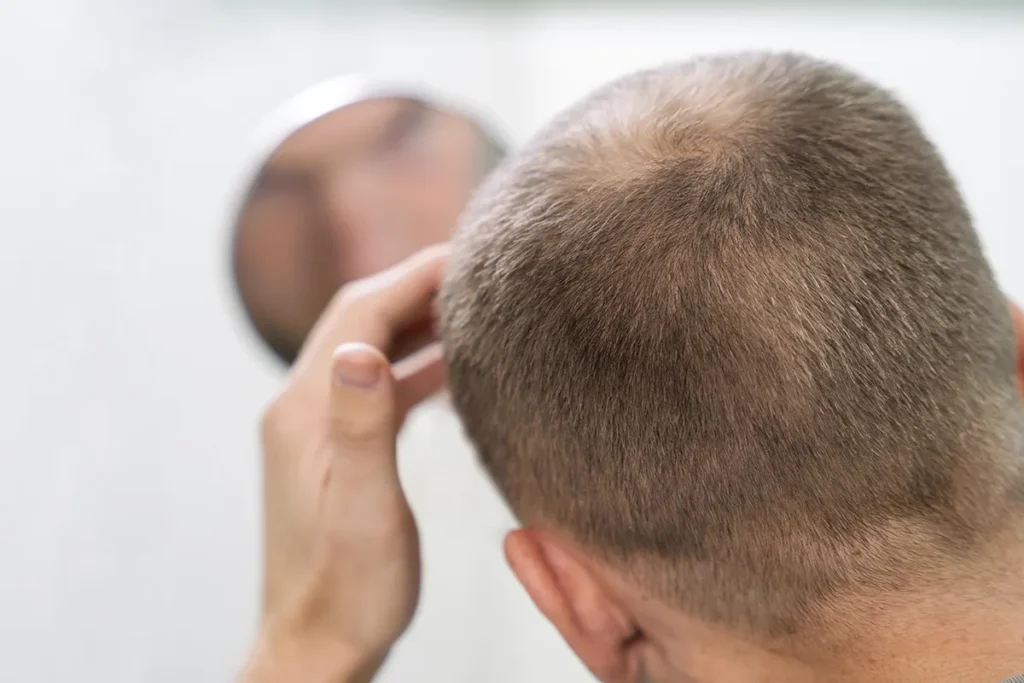
Stem cell therapy hair regrowth is emerging as a cutting‑edge solution for individuals struggling with thinning hair or baldness. This article explores the science behind the treatment, the procedural steps, expected outcomes, and how Gold City Medical Center integrates this technology into its comprehensive hair restoration program.
According to recent dermatology studies, up to 30 % of men and women experience noticeable hair loss by the age of 35, making effective interventions a high priority. Stem cell‑based approaches promise not only to halt further loss but also to stimulate new follicle growth, offering hope where traditional grafts may fall short.
We will examine the biology of hair follicles, compare stem cell therapy with conventional hair transplantation, discuss safety considerations, and outline what patients can anticipate during the journey from consultation to post‑treatment care.
Understanding the Biology of Hair Growth and Stem Cells
Hair follicles are miniature organs that cycle through growth (anagen), regression (catagen), and rest (telogen) phases. The regenerative capacity of these cycles relies heavily on a niche of stem cells located in the bulge region of the follicle. When these cells are activated, they can differentiate into the various cell types needed to form a new hair shaft.
Stem cell therapy leverages this natural regenerative potential by harvesting autologous mesenchymal stem cells (MSCs) from the patient’s own tissue—typically adipose (fat) tissue or bone marrow—and re‑injecting them into the scalp. The injected cells release growth factors and cytokines that stimulate dormant follicles, improve vascularization, and reduce inflammation, creating an environment conducive to hair regrowth.
Key biological mechanisms include:
- Activation of Wnt/β‑catenin signaling pathways that drive follicle stem cell proliferation.
- Release of vascular endothelial growth factor (VEGF) to enhance blood supply.
- Modulation of the immune response to prevent follicular miniaturization.
Understanding these processes helps clinicians tailor the treatment protocol, selecting appropriate cell concentrations and injection patterns for optimal results.
Procedure Overview: From Harvest to Injection
The stem cell hair treatment journey begins with a thorough consultation to assess hair loss pattern, medical history, and suitability for the therapy. A typical session includes the following steps:
| Step | Description |
|---|---|
| 1. Harvesting | Minor liposuction retrieves adipose tissue from the abdomen or thigh under local anesthesia. |
| 2. Processing | The tissue is processed in a sterile laboratory to isolate MSCs, usually within 1–2 hours. |
| 3. Preparation | Isolated cells are mixed with a carrier solution, sometimes enriched with platelet‑rich plasma (PRP) for added growth factors. |
| 4. Injection | Using a fine‑gauge needle, the cell suspension is injected into the scalp at predetermined points, targeting the follicular bulge area. |
| 5. Post‑Care | Patients receive guidance on gentle scalp care, possible mild swelling, and a schedule for follow‑up visits. |
Most patients complete the entire process in a single day, with the total clinic time ranging from 3 to 5 hours. The minimally invasive nature of the procedure means there is little downtime, and normal activities can usually be resumed within 24–48 hours.
Patients often ask whether the therapy can be combined with other treatments such as exosomes for hair or traditional hair transplantation. The answer is yes; many clinics, including Gold City Medical Center, design customized protocols that incorporate multiple modalities to maximize follicular stimulation.
Effectiveness, Expected Results, and Safety Profile
Clinical trials and early‑stage studies report that stem cell therapy can increase hair density by 15‑30 % after a series of three sessions spaced six weeks apart. While individual results vary, most participants notice thicker strands, reduced shedding, and a more uniform hairline within 3–6 months of the final injection.
Safety is a paramount concern. Because the cells are autologous, the risk of allergic reaction or rejection is negligible. Common side effects are mild and include temporary redness, bruising at the harvest site, or slight scalp tenderness. Serious complications such as infection are rare when proper aseptic techniques are followed.
- Long‑term durability: Ongoing research suggests that the regenerative effects can persist for years, especially when patients maintain a healthy scalp environment.
- Cost considerations: Stem cell hair restoration cost varies by region and clinic; at Gold City Medical Center, pricing is transparent and tailored to the number of sessions required.
It is essential for prospective patients to set realistic expectations. Stem cell therapy is not an instant miracle; it works by revitalizing existing follicles rather than creating entirely new ones, so individuals with extensive bald areas may still benefit from complementary hair transplant procedures.
Comparing Stem Cell Therapy with Traditional Hair Transplantation
Traditional hair transplantation, such as follicular unit extraction (FUE), physically moves hair follicles from a donor area to a recipient zone. While FUE provides immediate visual density, it is limited by donor availability and can leave visible scarring.
In contrast, stem cell therapy focuses on biological regeneration, offering several distinct advantages:
- Non‑surgical, with minimal scarring.
- Potential to improve overall scalp health, benefiting existing hair.
- Flexibility to repeat treatments as needed without depleting donor sites.
Below is a quick comparison:
| Aspect | Stem Cell Therapy | Traditional Hair Transplant |
|---|---|---|
| Invasiveness | Minimally invasive | Surgical extraction |
| Recovery Time | 1–2 days | 7–10 days |
| Scarring | Negligible | Potential donor area scarring |
| Cost (average) | Variable, often lower per session | Higher upfront cost |
| Suitability | Early‑stage loss, diffuse thinning | Advanced baldness, defined balding zones |
Many patients ultimately choose a hybrid approach, using stem cell therapy to strengthen existing hair and reduce future loss, while employing transplantation to restore areas where follicles are absent.
Future Trends: Exosomes, Gene Editing, and Personalized Regeneration
Research is rapidly advancing beyond simple stem cell injections. Exosomes for hair—tiny vesicles released by stem cells—are being studied for their ability to deliver growth factors more efficiently. Early trials suggest that exosome‑enriched solutions may accelerate follicle activation and improve outcomes when combined with MSCs.
Gene editing technologies, such as CRISPR, are also entering the hair restoration arena. Scientists are exploring ways to modify stem cells to overexpress key regenerative genes, potentially enhancing their potency. While still experimental, these innovations hint at a future where hair regrowth can be customized to each patient’s genetic profile.
Gold City Medical Center stays at the forefront of these developments, offering patients access to the latest evidence‑based treatments while maintaining rigorous safety standards.
Why Choose Gold City Medical Center
Gold City Medical Center combines decades of medical expertise with a holistic approach to aesthetic and restorative care. Our team of board‑certified dermatologists and hair restoration specialists utilizes state‑of‑the‑art stem cell processing facilities, ensuring that each patient receives a safe, personalized treatment plan. By integrating stem cell therapy with complementary services such as PRP and advanced hair transplantation, we deliver comprehensive solutions that address both the cause and the appearance of hair loss. Trust our commitment to quality, innovation, and patient‑centered care for lasting confidence.
Ready to reclaim a fuller head of hair? Contact Gold City Medical Center today to schedule your personalized consultation and discover how stem cell therapy can transform your hair health.
Call us or fill out the online form—your journey to renewed confidence starts now.
FAQ
What is stem cell therapy for hair regrowth?
Stem cell therapy for hair regrowth uses a patient’s own stem cells to stimulate dormant hair follicles and promote new hair growth.
How does stem cell therapy differ from traditional hair transplantation?
Stem cell therapy regenerates existing follicles non‑surgically, while hair transplantation physically moves follicles from a donor site to the balding area.
What can I expect during the stem cell hair treatment procedure?
The procedure includes a consultation, tissue harvest via minor liposuction, cell processing, and scalp injections, usually completed in a single day.
How effective is stem cell therapy for hair regrowth and how long do results last?
Studies report a 15‑30 % increase in hair density after three sessions, with effects potentially lasting years if scalp health is maintained.
Are there any risks or side effects associated with stem cell hair therapy?
Side effects are generally mild, such as temporary redness, bruising, or scalp tenderness; serious complications are rare.
Can stem cell therapy be combined with other treatments such as PRP or exosomes?
Yes, many clinics blend stem cell injections with PRP, exosomes, or even hair transplantation to enhance outcomes.
What is the cost of stem cell hair regrowth therapy at Gold City Medical Center?
Pricing varies by the number of sessions required; the clinic provides transparent, tailored quotes based on individual needs.





