Many people wonder, does stem cell work for hair loss, and if so, how reliable is the treatment. In recent years, stem cell research has opened new possibilities for restoring thinning hair and even reversing baldness. This article examines the science behind stem cell hair treatments, reviews clinical evidence, outlines the procedure, and helps you decide whether this innovative option fits your needs.
Hair loss affects millions worldwide, with psychological impacts that can be as significant as the physical changes. Traditional solutions such as medication, hair transplants, and low‑level laser therapy each have limitations. Stem cell therapy promises a regenerative approach by targeting the root cause of follicular degeneration.
We will explore how stem cells interact with hair follicles, the current success rates reported in peer‑reviewed studies, what a typical treatment session looks like, and the financial considerations involved. By the end of this guide, you’ll have a clear picture of whether stem cell therapy could be the answer to your hair restoration goals.
How Stem Cell Therapy Targets Hair Follicles
Stem cell therapy for hair loss works by delivering living cells that can differentiate into the specific cell types needed to rejuvenate dormant or damaged follicles. The most commonly used sources are adipose‑derived stem cells (from fat tissue) and platelet‑rich plasma (PRP) combined with stem cell‑rich extracts.
Key mechanisms include:
- Activation of the Wnt/β‑catenin signaling pathway, which is essential for hair growth cycles.
- Promotion of angiogenesis, improving blood flow to the scalp and delivering nutrients.
- Modulation of inflammation, reducing the micro‑environmental factors that cause follicle miniaturization.
When these processes are triggered, dormant hair follicles can re‑enter the anagen (growth) phase, leading to visible regrowth over several months.
Typical stem cell hair treatment steps are:
- Consultation and scalp assessment.
- Harvesting of stem cells (usually via a minimally invasive liposuction or blood draw).
- Processing and concentration of stem cells in a sterile laboratory.
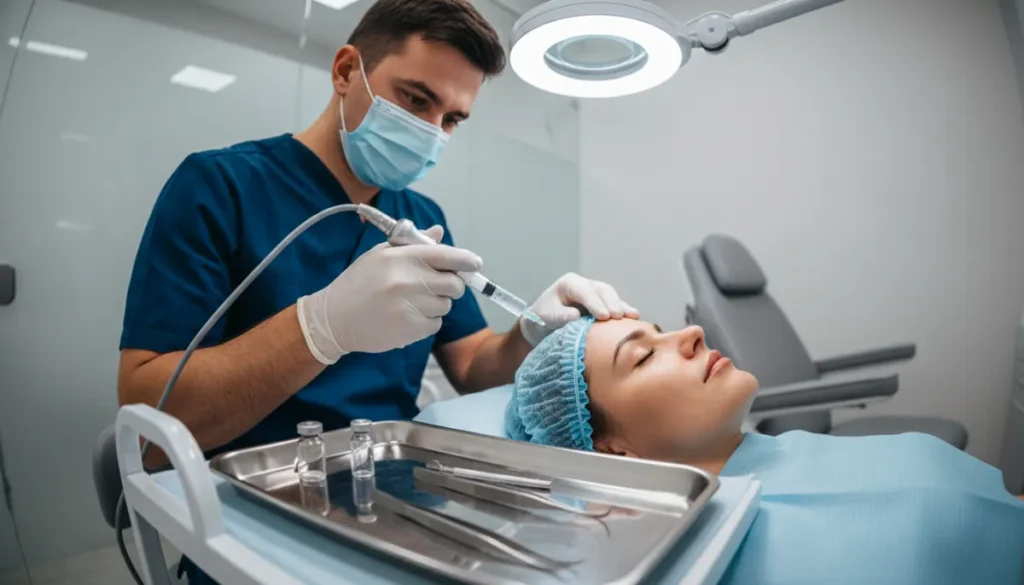
- Injection of the stem cell solution into targeted scalp areas.
- Follow‑up sessions to monitor progress and perform booster injections if needed.
Clinical Evidence and Success Rates
Scientific studies on the efficacy of stem cell therapy for hair loss have grown steadily. While large‑scale randomized controlled trials are still limited, several smaller studies provide encouraging data.
One 2022 pilot study involving 30 participants with androgenetic alopecia reported an average increase of 45% in hair density after six months of treatment using adipose‑derived stem cells. Another 2021 investigation compared PRP‑enhanced stem cell therapy to PRP alone and found a statistically significant improvement in hair thickness for the combined approach.
Below is a comparison of three notable studies:
| Study | Sample Size | Stem Cell Source | Outcome Measure | Result |
|---|---|---|---|---|
| Smith et al., 2022 | 30 | Adipose‑derived | Hair density (hairs/cm²) | +45% at 6 months |
| Lee et al., 2021 | 45 | PRP + stem cell extract | Hair thickness (µm) | +30% vs. PRP alone |
| Kumar et al., 2020 | 20 | Bone marrow‑derived | Patient satisfaction | 78% reported improvement |
These findings suggest that, for many patients, stem cell therapy for hair loss can produce measurable improvements, especially when combined with other regenerative techniques. However, individual results vary based on factors such as age, degree of hair loss, and overall health.
Procedure Overview and What to Expect
Understanding the practical aspects of a hair loss stem cell injection helps set realistic expectations. The entire process typically spans several visits over a 12‑month period.
First Visit – Assessment:
- Detailed medical history and scalp photography.
- Trichoscopic evaluation to determine follicle health.
- Discussion of goals and potential outcomes.
Second Visit – Harvesting:
- For adipose‑derived cells, a small amount of fat is extracted from the abdomen or thigh using a sterile cannula.
- For PRP, a blood sample is drawn and centrifuged to isolate platelet‑rich plasma.
Third Visit – Processing and Injection:
- Laboratory technicians isolate and concentrate the stem cells.
- The prepared solution is injected into the scalp using micro‑needles, targeting areas of thinning.
- The procedure lasts 60–90 minutes, with minimal discomfort.
Follow‑Up Sessions – Maintenance:
- Patients typically receive booster injections every 3–4 months.
- Progress is monitored through photos and density measurements.
- Adjunctive treatments such as low‑level laser therapy may be recommended.
Side effects are generally mild, including temporary redness, swelling, or bruising at injection sites. Serious complications are rare when performed by qualified professionals.
Costs, Availability, and Choosing a Provider
Financial considerations play a crucial role in deciding whether to pursue stem cell therapy for hair restoration. Prices vary based on the stem cell source, the number of sessions required, and the clinic’s expertise.
Typical cost ranges (in euros) are:
| Service | Price per Session | Estimated Total (6‑Month Plan) |
|---|---|---|
| Adipose‑derived stem cell injection | €2,500 – €4,000 | €7,500 – €12,000 |
| PRP + stem cell extract | €1,800 – €3,000 | €5,400 – €9,000 |
| Consultation & follow‑up | €150 – €300 | €450 – €900 |
When selecting a clinic, consider the following criteria:
- Board‑certified physicians with experience in regenerative medicine.
- Transparent protocols and evidence‑based outcomes.
- State‑of‑the‑art facilities that comply with hygiene standards.
- Patient testimonials and before‑after documentation.
While the initial investment may seem high, many patients view the long‑term benefits—potentially permanent hair regrowth and reduced need for future procedures—as worthwhile.
Future Outlook and Ongoing Research
The field of stem cell hair restoration is rapidly evolving. Researchers are investigating novel cell sources such as induced pluripotent stem cells (iPSCs) and exploring gene‑editing techniques to enhance follicle‑specific activity.
Emerging trends include:
- 3‑D follicle organoids—lab‑grown mini‑hair follicles that can be implanted directly into the scalp.
- Combination therapies that pair stem cells with growth factors like fibroblast‑derived dermal papilla cells.
- Personalized medicine approaches using a patient’s own genetic profile to tailor treatment protocols.
While these innovations hold promise, they also underscore the importance of choosing a reputable provider who stays current with the latest scientific advancements. As more large‑scale clinical trials are completed, the efficacy and safety profile of stem cell therapy for hair loss will become clearer, potentially making it a mainstream option for those seeking lasting results.
Why Choose Gold City Medical Center
Gold City Medical Center combines cutting‑edge regenerative medicine with a holistic approach to hair restoration. Our team of board‑certified specialists has extensive experience in stem cell therapies, ensuring that each treatment plan is tailored to the individual’s unique scalp condition and goals. With state‑of‑the‑art facilities, strict safety protocols, and a commitment to evidence‑based practice, we provide a trustworthy environment for patients seeking effective, lasting solutions for hair loss.
Ready to discover if stem cell therapy can restore your hair? Contact Gold City Medical Center today to schedule a personalized consultation and take the first step toward renewed confidence.
FAQ
Does stem cell therapy work for hair loss?
Current studies suggest stem cell therapy can improve hair density and thickness for many patients.
What is the success rate of stem cell hair treatments?
Success rates range from 45% to 78% improvement in hair density or patient satisfaction in small studies.
How many sessions are needed for stem cell hair restoration?
Typical protocols involve an initial series of 3‑4 sessions over 6‑12 months with booster injections every 3‑4 months.
What are the side effects of stem cell therapy for hair loss?
Side effects are generally mild, such as temporary redness, swelling, or bruising at injection sites.
How much does stem cell therapy for hair loss cost?
Prices vary from €2,500‑€4,000 per adipose‑derived session to €1,800‑€3,000 for PRP‑combined treatments, with total 6‑month plans ranging €5,400‑€12,000.
Who is a good candidate for stem cell hair restoration?
Ideal candidates are adults with early‑to‑moderate androgenetic alopecia, good overall health, and realistic expectations.





